Brazil’s Senate approved a fiscal package proposed by President Luiz Inácio Lula da Silva to rein in government spending and increase revenue. The plan, approved Wednesday, aims to improve public finances by up to 60 billion reais (about $10 billion) next year and must also pass the lower house.
The package introduces rules to slow spending growth, limits corporate tax breaks and closes loopholes. Its approval comes after Lula’s reelection in late October prompted concern among market analysts about Brazil’s economy. Lula, 81, returned with a series of incentives for voters after losing the first round of voting to Flávio Bolsonaro.
The proposal has drawn criticism from both supporters and opponents. Some of Lula’s supporters see it as a risk to welfare programs, while critics among market agents consider it too modest. Analysts say it relies too heavily on raising revenue rather than cutting expenses, a perception that has contributed to the depreciation of Brazilian assets, including the real, in recent days. Lula has yet to announce his finance minister for the new term.
Ahead of the runoff, Lula introduced costly measures, including a 15% increase in Bolsa Família, his flagship welfare program. According to Brazilian government figures, the increase will cost 5.8 billion reais ($1 billion) this year and about 22 billion reais ($3.7 billion) next year. The minimum monthly benefit per family rose in October to 691 reais ($117) from 600 reais ($102), while the average benefit will rise from 675 reais ($115) to 777 reais ($132).
Other major measures included subsidized credit and debt relief for small businesses and low-income earners, temporary federal fuel tax cuts, and proposed free weekend public transportation. Congress also passed legislation shortening the weekly workweek without cutting pay.
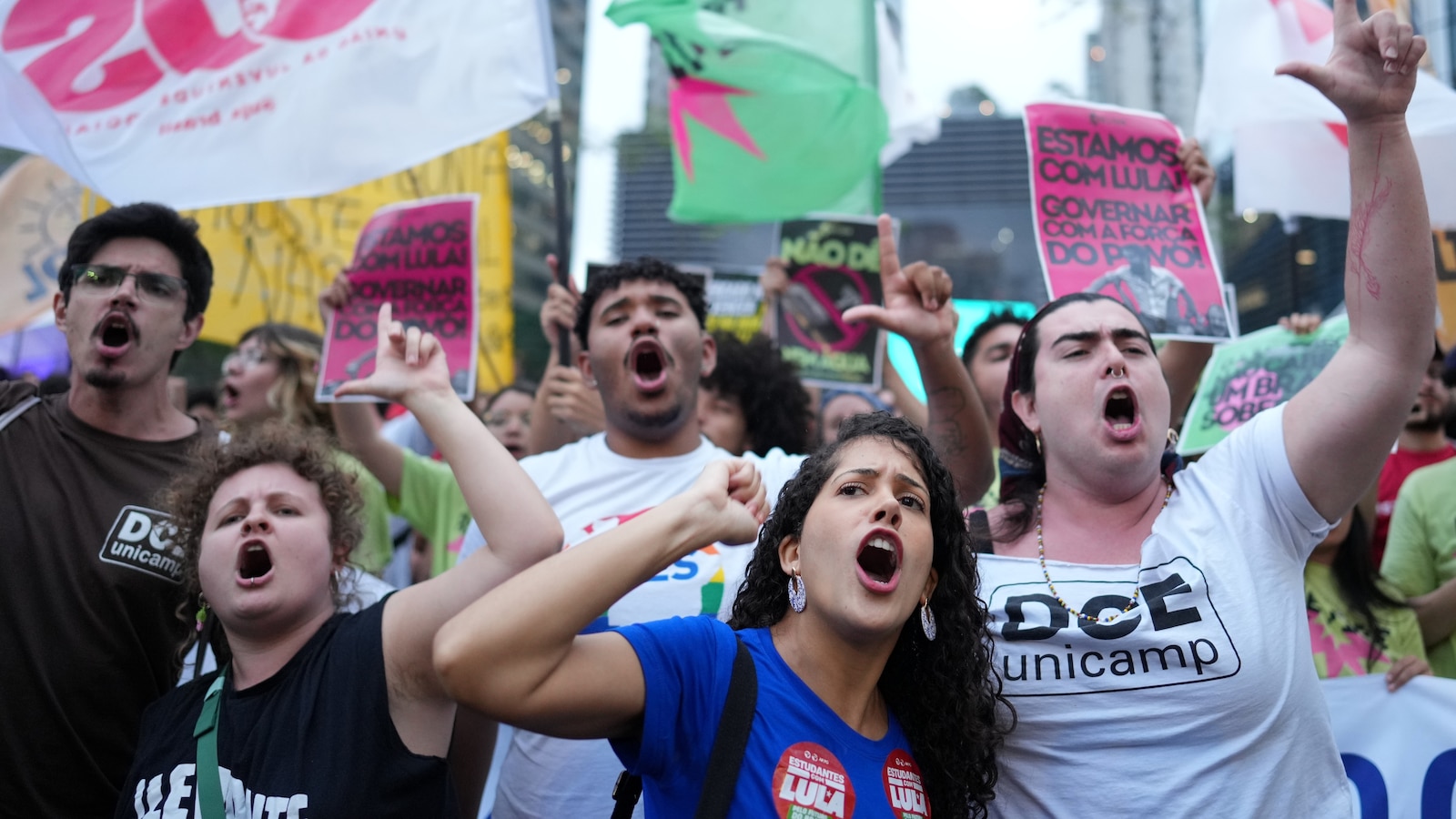
Low-income voters were key to Lula’s victory. On Tuesday, students who also helped lead his campaign to retain the presidency protested the fiscal package on São Paulo’s Brigadeiro Faria Lima avenue, home to many of the city’s banks and brokers.
Lula’s victories in 2002 and 2022 were also followed by immediate depreciation of Brazilian assets, though stock markets eventually recovered from steep losses.