A study of 35,120 film and television scripts from 2021 to 2024 found that climate change is appearing more often in scripted entertainment, but stories still feature individual actions far more often than systemic solutions.
The report, released Tuesday by the USC Annenberg School for Communications and Journalism and nonprofit story consultancy Good Energy, found climate-related keywords in 3.2% of scripts, up 14% from the 2.8% recorded in a 2022 report. References specifically to “climate change” rose 33%, from 0.6% to 0.8%.
Researchers also examined 100 climate-focused storylines. Climate impacts such as rising sea levels, air pollution, food insecurity and biodiversity loss appeared in 87% of them. Disasters, including floods, extreme heat and hurricanes, featured in 72%, while 66% addressed causes such as oil, plastics, deforestation and industrial agriculture.
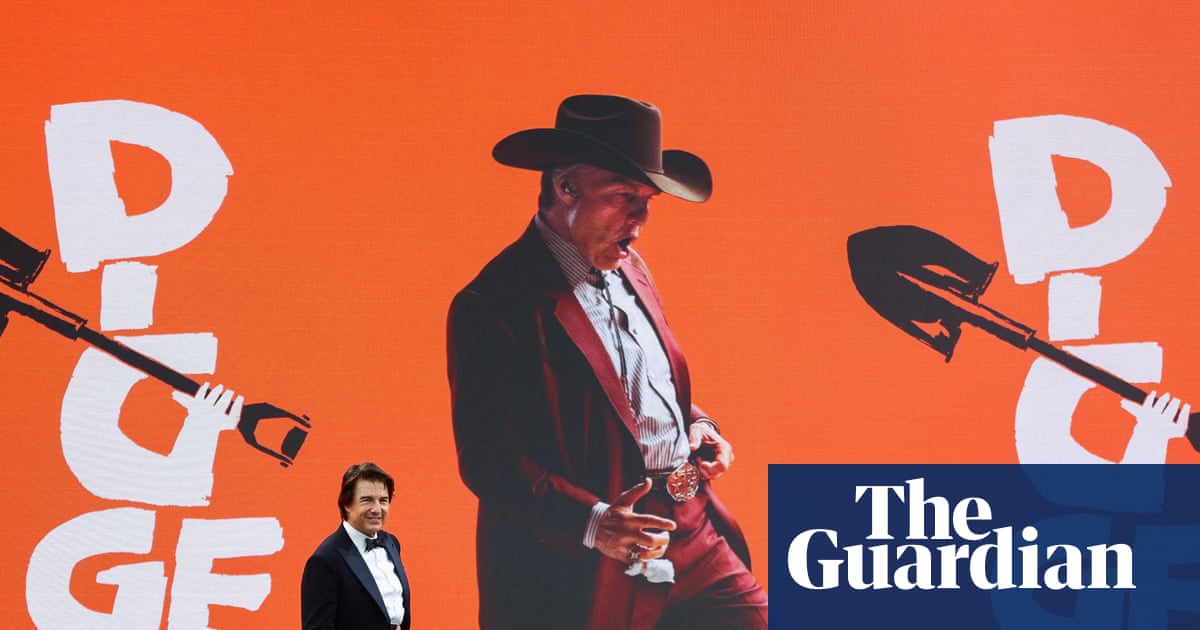
Fossil fuel terms including oil, coal, fracking, methane and offshore drilling appeared in just 1.1% of all scripts studied. The report identified the Paramount+ drama Landman, about the west Texas oil industry, as the clearest example of a show featuring fossil fuels. Climate activists have accused the series of disinformation. Researchers said it included “prominent discouragement of climate concern and action” and “explicit discouragement of renewable energy”.
Climate solutions appeared in 10% of scripts, but consumer actions were almost three times as common as systemic solutions. References to recycling, plant-based foods or electric vehicles appeared in 7.8% of all scripts; broader measures such as renewable energy, carbon capture, net zero emissions and green jobs appeared in 2.7%.
Climate storylines appeared in genres including medical dramas, romance, comedy, family programming and science fiction. Medical scripts had the highest frequency of climate-related keywords, at 17.4%, followed by romance at 17.1% and comedy at 16.8%. Procedural shows including FBI, Elsbeth and Grey’s Anatomy contributed roughly 20 climate-inclusive scripts per year. Comedy accounted for 39.3% of scripts that mentioned climate, despite making up 34.4% of all scripts.
The report found that climate narratives often move from fear toward empowerment. Of the 100 climate-inclusive storylines, 63% began with threat as the dominant emotional tone. By the end, agency—including courage, optimism and determination—was the leading tone in 44% of stories. Wonder rose from 7% at the beginning to 26% at the conclusion, while threat fell to 25%.
“We found nearly three in four portrayed or mentioned disasters, but over the course of these stories, the dominant tone shifted from threat toward human agency,” said Erica Rosenthal, director of research at the USC Norman Lear Center.
Between 2021 and 2024, climate-inclusive films earned $2.26bn at the US box office. TV episodes mentioning climate keywords amassed 12.4bn hours of Netflix viewing. Climate-related language appeared more often in films (19%) than in TV episodes (12.2%). Apple TV led streamers at 19.5%, followed by Prime Video at 15.4%, Netflix at 12.6%, Hulu at 12.3% and Paramount+ at 12%.
Fox had the highest share of climate-related scripts among broadcasters, at 16.7%, narrowly ahead of ABC at 16.6%. The CW recorded 13.5%, NBC 11.1% and CBS 10.6%.
“Disasters dominate, but nearly two-thirds of the climate storylines we studied also include causes, now bringing the human choices and systems behind the crisis into view,” Good Energy CEO Anna Jane Joyner said. “What thrills me is the rich creative territory artists are already exploring, and all that still lies ahead as they examine what it means to be human in the age of climate change.”
Joyner said systemic solutions are “the ones that are really transformative”. She also highlighted the emotional influence of film and television. “There’s lots of neuroscience that shows we don’t make decisions based on facts … For the most part, we make decisions based on emotions, and so I’m really interested in the emotional journey that stories bring their characters on, and therefore their audience on,” she said.