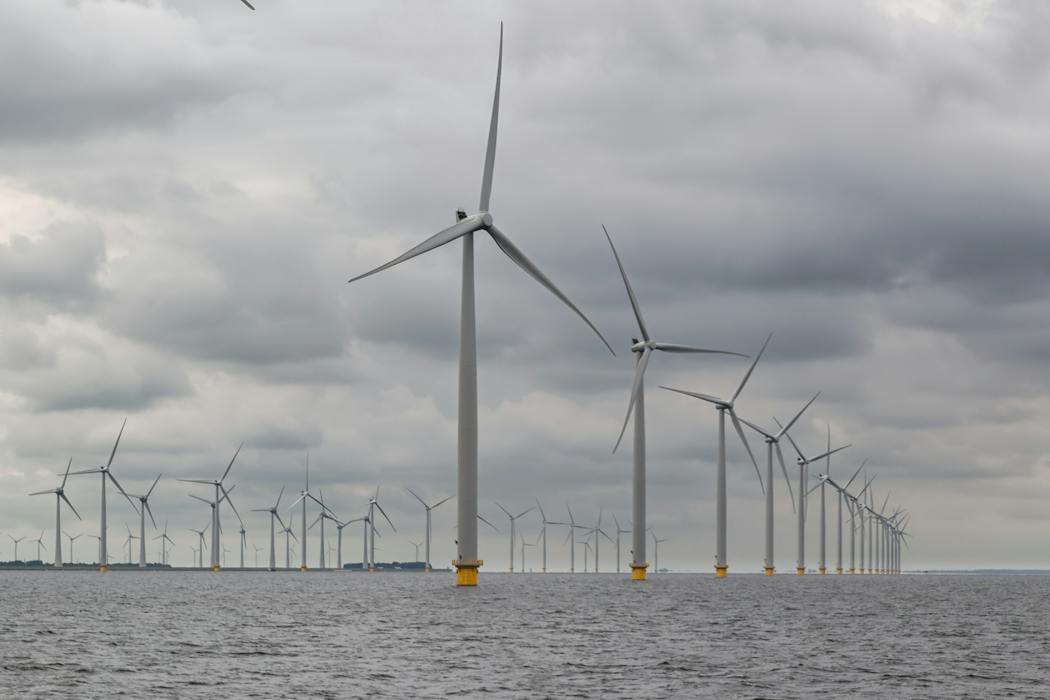
A dunkelflaute—a prolonged period of low wind and solar generation—can put electricity networks under pressure when renewable output falls as demand rises. Early November 2024 brought a week of still, cloudy, cold weather across much of north-west Europe. Wind turbines barely moved, solar output was negligible in some areas, and cold temperatures increased electricity demand for heating.
A smaller event in early November 2026 saw low wind-power generation across Europe leave the UK scrambling for extra electricity. Dunkelflaute is German for “dark doldrums”. The weather-related challenge matters more as power systems rely increasingly on renewables: wind and solar now account for more than a third of the electricity produced in Great Britain, compared with almost nothing 20 years ago.
Electricity systems must continually balance supply and demand. In the past, power stations could burn more coal or gas when demand rose. With more weather-dependent generation, maintaining that balance can be difficult during unfavourable conditions; if mismatches are left unchecked, they could lead to disconnections and blackouts.
Dunkelflaute conditions are usually associated with slow-moving high-pressure systems over north-western Europe. They can cover large areas and reduce wind and solar generation across several countries for days. In winter, they are typically linked with colder temperatures in northern Europe, which can increase electricity demand.
When neighbouring countries face the same conditions, they have fewer opportunities to make up shortfalls by importing electricity. Storage can also run low during events lasting several days, especially because current capacity is typically designed to supply power for several hours at most.
One current way to manage these conditions is to use existing power stations as backup while countries transition away from fossil fuels. Gas plants can adjust output relatively quickly to changes in demand and renewable generation, but balancing supply and demand this way can be expensive. The UK National Energy System Operator’s Clean Power 2030 advice proposes keeping around 35GW of gas power to provide backup when renewable generation is low.
Over the longer term, power-system operators and planners could increase flexibility and reduce the need to match generation and demand instantaneously. Electricity use could be shifted to periods of favourable weather, perhaps through lower prices on windy or sunny days. Stronger transmission connections within and between countries could also help make use of regional differences in generation and demand.
More storage could absorb surplus electricity and release it when supplies are low. Options include large batteries and pumped storage hydropower, which moves water between two reservoirs. Excess electricity could also be used to produce hydrogen for storage and later use as a fuel.
Assessing the severity, geographical extent and duration of dunkelflaute conditions, and their potential effects on electricity supplies, is an important challenge both now and under a changing climate. These conditions became a significant power-system risk as reliance on wind and solar grew; before that, they were not widely considered a weather hazard compared with threats such as flooding or storms.
David Brayshaw is Professor in Climate Science and Energy Meteorology at the University of Reading. He has worked on research projects funded by UKRI NERC, the UK government and the energy industry, and is currently seconded part-time as an advisor to Ofgem. Any views he expresses are as an independent researcher at the University of Reading.
Source: The Conversation — David Brayshaw, Professor in Climate Science and Energy Meteorology, University of Reading.