Originally published by automotiveworld.com. By Stewart Burnett.
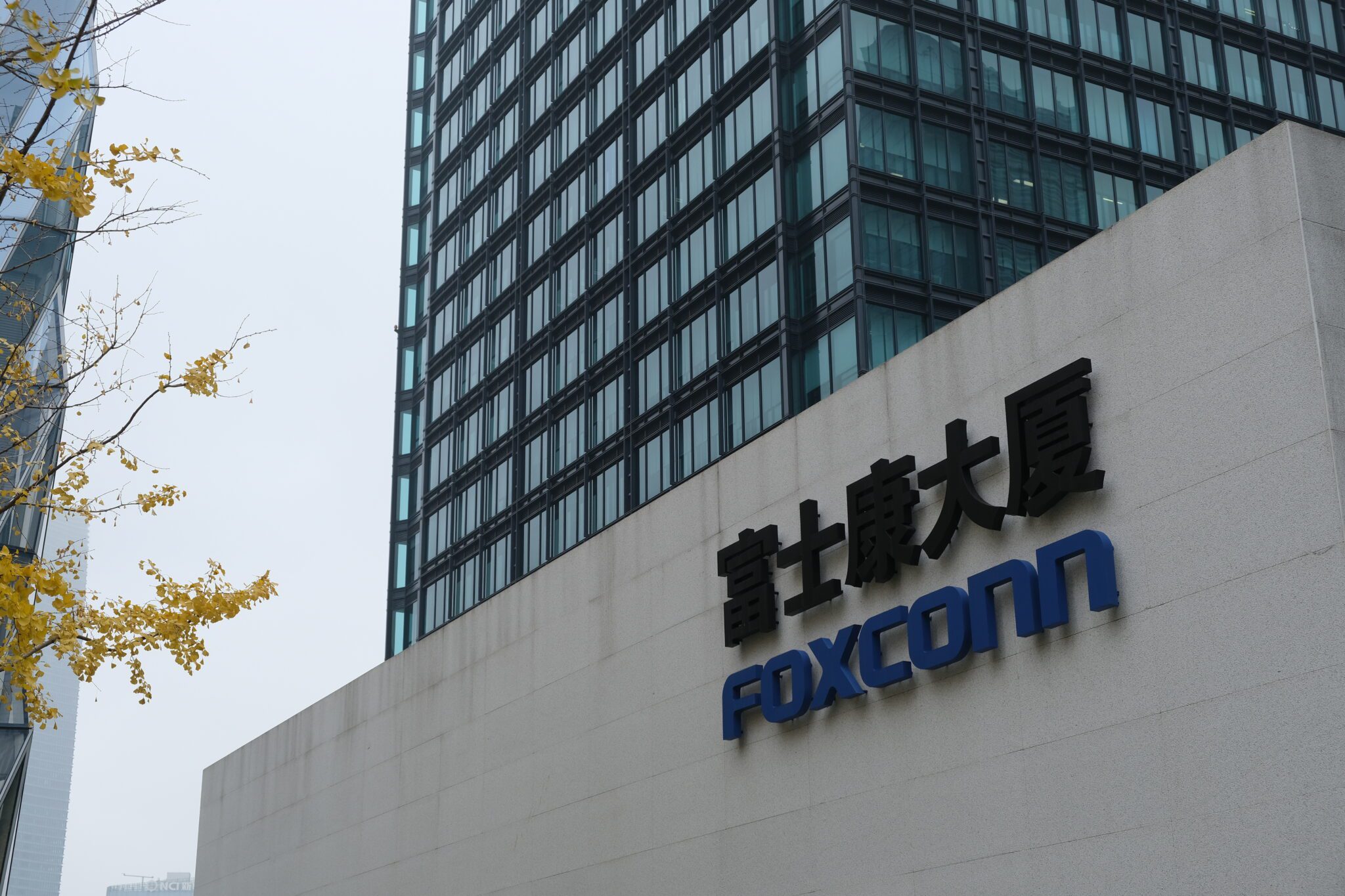
Foxconn has agreed to buy Sony Semiconductor Solutions’ automotive camera module business for JP¥7.24bn (US$45.5m), expanding the contract manufacturer’s direct relationships with Japanese automakers. The purchase will be made through Foxconn’s Japanese subsidiary Rayprus Japan and is expected to close by the end of April 2027, subject to regulatory approval.
Rayprus Japan will take over the unit’s operating assets, including inventory, fixed assets and intangible assets. The price may change, as overseas production equipment and some inventory are still under negotiation, and Foxconn will confirm the final figure in a separate announcement.
Foxconn said it plans to use the business’s technology, customer base and experience of supplying carmakers directly to grow in automotive electronics and smart mobility, funding the purchase from its own capital. The deal covers the assembled camera modules fitted to vehicles, and Foxconn’s filing makes no mention of Sony’s image sensor business.
That split leaves Sony with the image sensors, the higher-value component in an automotive camera, while handing Foxconn the module assembly work and, more importantly, the carmaker customer relationships its wider push into automotive has needed.
Why this matters:
- Contract manufacturer buys a Tier 1 foothold. Acquiring a business that already supplies automakers directly gives Foxconn established customer relationships and automotive qualification credentials, which have proved harder to build than manufacturing capacity in its push into vehicle electronics.
- Sony retreats to higher-value silicon. Keeping image sensors while selling module assembly suggests component specialists see more value in proprietary chips than in integration work, where scale manufacturers can compete more effectively on cost.
- Camera volumes rise as modules commoditise. Tightening AEB and driver assistance requirements across the EU, US and China are driving up cameras per vehicle, which could favour high-volume assemblers as module pricing comes under pressure.