For years, when a consumer wanted to buy a new pair of shoes, they started by searching on Google, comparing brands, visiting online stores and reading reviews. Some even visited a brick and mortar store to check their size or simply ordered several sizes on a marketplace to keep the one that fitted best. Everyone navigated this journey in their own way and made their own decisions.
This process is beginning to change. More and more consumers are directly asking their preferred artificial intelligence (AI) model – such as ChatGPT, Gemini or Claude – which leather shoes they recommend for officewear this winter, for example. Furthermore, they do not limit themselves to asking a generic question.
They might also explain that they want to wear them for evening outings after work, that they need them to be rain-resistant, or that they are looking for a style that fits their budget. AI interprets these preferences and proposes a selection of brands and products from which the consumer begins to decide.
However, the shift does not end with recommendations. We are heading towards a scenario where AI agents will be able to compare options, assess individual user preferences, find the best terms and even execute purchases on behalf of a consumer who has authorised them to buy when a set of conditions is met.
Achieving visibility will no longer consist solely of appearing on Google or investing in advertising. Brands will have to build a digital presence that allows AI to understand their products, grasp what sets them apart and find reasons to recommend them. In an environment where AI is starting to mediate between brands and consumers, merely being present on the internet will not suffice.
It will also be necessary to ensure that AI knows who you are and why it should choose you. This was one of the most frequently repeated concerns at eShow, the e-commerce and digital marketing trade fair held on November 4 and 5 at Ifema in Madrid, where we explored where the future of the fashion business is heading.
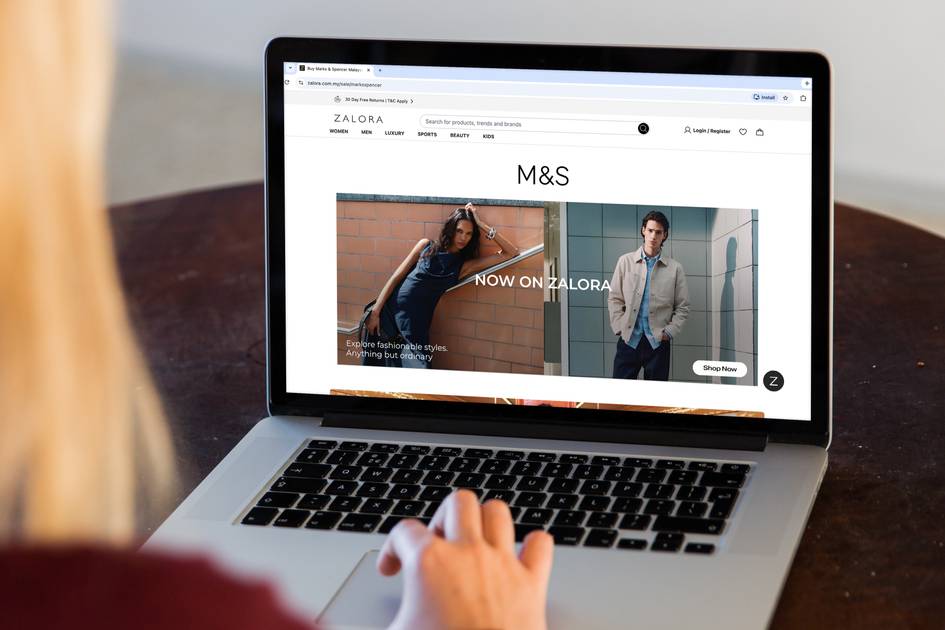
There, brands such as Pretty Ballerinas, Coosy and Zalando explained how they are preparing for AI to find and recommend them.
Is your brand or company ready to be discovered, understood and recommended by AI? In this article, we explain how to prepare for this shift.
The first recommendation is to familiarise yourself with the term GEO. Technicalities aside, this concept refers to the set of practices aimed at ensuring a brand appears, and is well described, in the responses of AI assistants. The goal is to be among the three or four brands mentioned and to influence how they are presented.
That response is not built solely from the brand's website. The models cross-reference information with sources they consider independent, such as trade press, customer reviews, forums, videos or even Wikipedia. They give more weight to concrete data than to promotional messages.
When the website, the marketplace and the reviews contradict each other regarding the size, material or origin of a product, the AI hesitates and moves on to another alternative.
In practice, GEO rests on three pillars: ensuring the website is accessible to AI systems, answering purchasing questions accurately and maintaining a solid brand reputation outside of its own channels.
Although different AI models browse the internet using automated programmes, many websites inadvertently block their access, remaining invisible to their “eyes”. This often happens with services used to protect websites, such as Cloudflare, which block these programmes by default for security reasons.
It is advisable to ask the technical team or the provider managing your website to review these settings and the robots.txt file, which indicates which automated visitors are allowed to enter.
The other half of the work lies in the product pages. Price, sizes, materials, manufacturing, care instructions and availability must match across the website, catalogue and marketplaces, and be visible as soon as the page loads. When data is contradictory, the AI gets confused or fabricates information.
Start by checking how your brand appears on AI assistants. Simply ask around 15 questions across at least three different assistants, repeating the exercise in each country and language in which you operate. Combine questions about your own brand (What do you know about [brand]? or Where are its products manufactured?), nine open-ended queries without mentioning your name regarding the