Ghostwriters are increasingly being credited as selling points for celebrity memoirs, with their reputations signalling literary expertise and human involvement at a time when generative AI is raising questions about authorship.
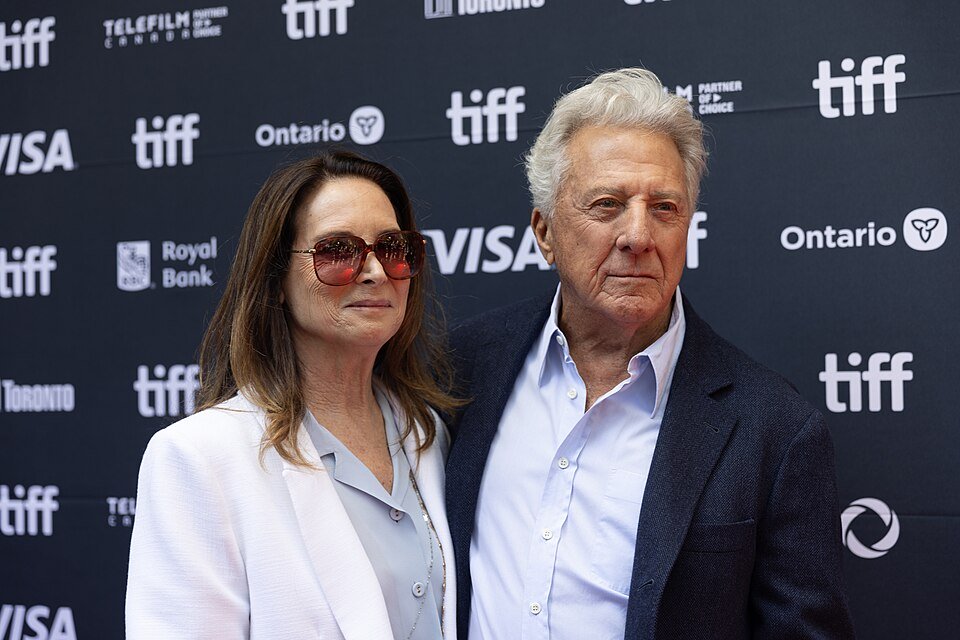
Reviewers of Dustin Hoffman’s new memoir, Look at Me, noted that New Yorker writer Ariel Levy collaborated on the book. Levy also worked on Demi Moore’s Inside Out (2019), where her name did not appear on the cover, and Alex Van Halen’s Brothers (2024), where she was credited in the back-cover blurb.
In Australia, a recent review of Ahmed al Ahmed’s memoir referred to his collaboration with Liam Pieper, “one of the country’s most accomplished ghostwriters”. Al Ahmed is described as the Muslim man who disarmed a shooter at last December’s Bondi massacre. Pieper also worked on Holocaust survivor Eddie Jaku’s bestselling memoir, The Happiest Man on Earth.
The writer behind a celebrity memoir is increasingly part of its appeal. Ghostwriters were once expected to remain anonymous, but some now have public profiles that lend books prestige and signal literary ambition alongside celebrity appeal.
Ghostwriting has a long history, with roots reaching back at least to the 5th century BC, when royalty hired scribes to write speeches and texts under their names. In celebrity publishing, the traditional arrangement has been for the celebrity to provide access and memories, while the writer shapes the structure, pacing and prose.
Pulitzer Prize-winning journalist J.R. Moehringer helped bring high-profile ghostwriting into view. His collaboration with Andre Agassi on Open is often regarded as one of the finest sports autobiographies of recent decades. He also worked with Nike founder Phil Knight on Shoe Dog and with Prince Harry on Spare. Moehringer’s reputation became part of the appeal, associated with crafted narrative nonfiction rather than a celebrity tell-all.
Other memoirs now feature prominent collaborator credits. Graydon Carter’s 2025 memoir, When the Going Was Good, carries “with James Fox” on its title page. In his acknowledgements, Carter says of their “partnership”: “Unlike Keith, I write for a living […] The writing is mine, but so much of the order and narrative pace were in good part thanks to James.” He also credits Fox with “digging through the hoard of archives and tapping the memories of friends and colleagues”, working with Carter “long distance over Zoom” when apart.
Writing support can also offer expertise, editorial guidance and accessibility. Cher has said she worked with several ghostwriters on The Memoir, Part One, partly because her dyslexia makes writing so hard. The article argues that such collaboration can enable participation rather than serve as a shortcut.
The most visible ghostwriters are a small, elite group. Most still work under confidentiality agreements for flat fees rather than royalties, and rarely share in public discussion of a book’s success. The UK’s Society of Authors has called for ghostwriters to be properly credited, as their growing visibility underscores inequality in publishing.
Memoirs raise particular questions about authenticity because readers expect the name on the cover to match the first-person voice. Yet writing is often collaborative, involving editors, agents and publishers. As Levy said of her work with Moore, “The book does sound like her, not like me […] It’s her language and it’s her story”. She described her role as: “I was a midwife.”
As generative AI produces increasingly persuasive prose, questions of authorship are surfacing across publishing, journalism and higher education. The article suggests that a visible human collaborator may strengthen trust by making human involvement clearer. Some ghostwriters, once expected to disappear, are now being invited into the spotlight.