We all know we should make the effort to move a bit more for our health, but it can be hard to find time to get to the gym, especially if you don't enjoy it or finding it a daunting place to be.
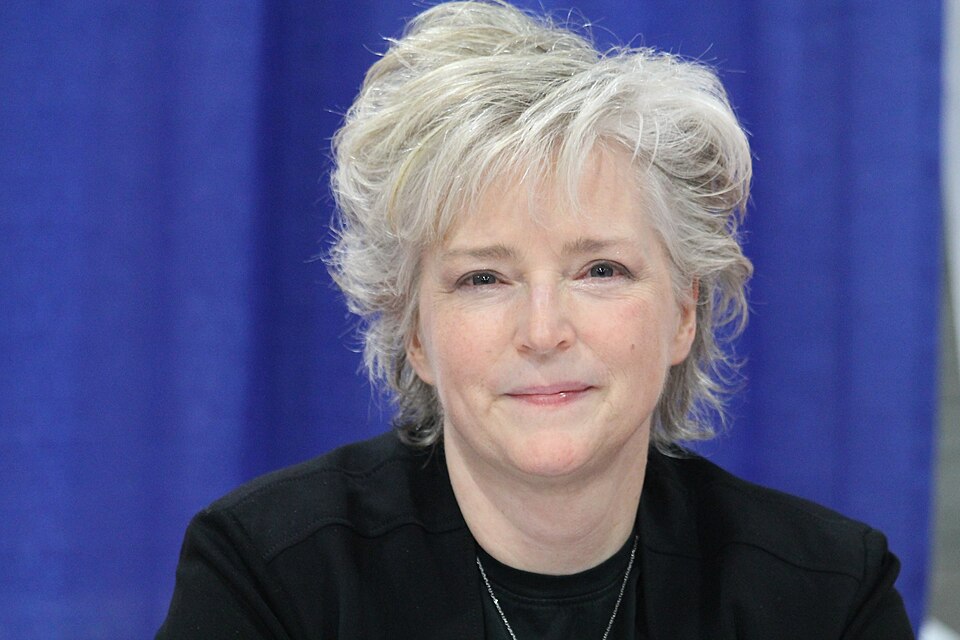
Gillian Anderson, it turns out, is very much part of this camp.Speaking on the How To Fail podcast back in 2023, Gillian admitted she’s never been a big fan of exercising and hasn’t been a regular gym-goer for most of her life. However, since entering her 50s, Gillian explained her attitude to health and fitness has shifted.
‘Now that I'm 55, I'm finding [what I want to do] for myself,’ Gillian (now 58) told host Elizabeth Day. ‘There's a plethora of stuff out there for people, particularly my age and above, talking about longevity.
If you want to be able to pick up your grandchildren, you should move your limbs a bit.’However, she said it was important to her to be active in ‘the way that I want to do it, and that feels good for me.’ For Gillian, that means combining an app workout with ‘the smallest things’, such as not taking the lift and opting for the stairs.
Regular, everyday actions like these slot into your existing routine while still burning calories. They're part of a process called ‘NEAT’. GP and founder of Coyne Medical, Dr Lucy Hooper, explains: ‘NEAT stands for non-exercise activity thermogenesis.
It’s a fancy term for the energy we use for everyday activity outside formal, planned exercise.’Personal trainer and founder of CC Academy of Fitness, Chris Beradi agrees; ‘It’s basically anything that involves boosting your metabolism and burning calories but isn't deliberate exercise.
So that can be anything from walking to fidgeting, believe it or not.’Walking while having a phone call, getting off the bus a stop earlier or taking the stairs, as Gillian does, all count. ‘Even in an office job, you could take a five-minute walk around the block at lunchtime or get up and move every half-hour.
Studies have even shown that short walking breaks can reduce the rise in blood sugar and insulin after meals,’ says Dr Hooper.Being generally active through NEAT every day can also be more effective than short bursts of exercise within a sedentary lifestyle. ‘In the most active people, NEAT can account for around 50% of their daily energy expenditure,’ says Dr Hooper.
‘Half an hour in the gym doesn’t necessarily make up for being inactive for the rest of the day.’ With formal exercise typically making up for around 10% of energy use each day, NEAT could account for up to 5 times more than a traditional gym routine. Regular activity doesn’t just burn calories, it also strengthens the body.
‘Movement keeps your joints mobile, with more blood flow going to your muscles and your joints,’ says Chris. ‘You've obviously got more oxygen going through your system, so your cardiovascular fitness improves and, when you're active throughout the day, then that helps better with sleep.’Optimised NEAT through consistent, regular movement could even boost your longevity.
‘More daily movement is associated with a lower risk of premature death. High amounts of time spent sitting have been linked to cardiovascular disease, even among people who meet exercise guidelines,’ says Dr Hooper.And, as well as living longer, it’s important that we’re able to live well in those extra years.
‘We as human beings haven't changed that much since our ancestors – anatomically, physiologically – and we need to be moving in order to be the most mobile, fittest versions of ourselves…