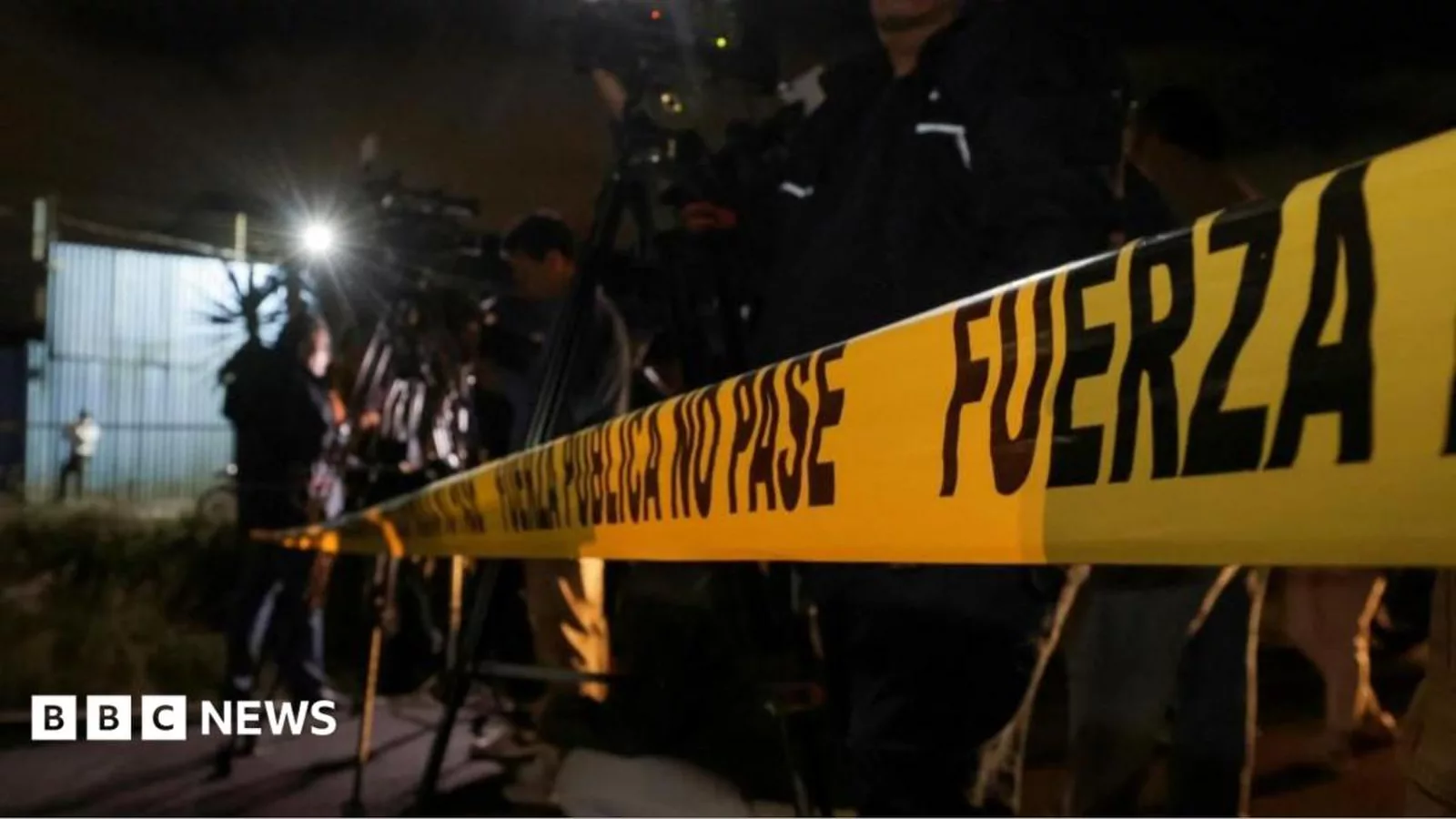
Costa Rican journalist Camilo Rodríguez, 50, was shot dead after gunmen on a motorbike ambushed his car north of the capital, San José, on Monday afternoon, police said.
Rodríguez had denounced alleged links between politicians and drug traffickers. The independent reporter had previously said he was receiving death threats from drug trafficking gangs.
Yanancy Noguera, president of the Costa Rican Journalists' Association, said that “all evidence so far points to the silencing of a dissenting voice in Costa Rica - a person who published information about organised crime in the country”.
Rodríguez had worked in radio and print for several decades. Most recently, he uploaded social media videos naming judges, business people and politicians whom he alleged were corrupt or had ties to known drug traffickers.
In one video, Rodríguez alleged that a company with links to a criminal gang had built the home of Costa Rica's President, Laura Fernández. Fernández categorically denied wrongdoing and took him to court, accusing him of defamation.
In a video message responding to the killing, Fernández strongly condemned the attack, calling it “a stain on freedom of expression”. She said she had instructed police to do their utmost to “punish Camilo's murderers”.
Costa Rica's Attorney General, Carlo Díaz, said that “silencing someone who reports on drug trafficking or corruption, in this case a communicator, is a signal we cannot tolerate in a democratic society”.
Local media reported that Rodríguez's killing was the first murder of a journalist in Costa Rica in more than two decades. It comes as transnational crime gangs increase their presence in the country, driving up its formerly low homicide rate.
Rodríguez had sought to run as the presidential candidate for the Costa Rican Renovation Party in 2021, but electoral authorities rejected his candidacy after the party failed to meet the criteria required to file candidates.