First direct attack on US military installations for months was in response to US airstrike on communications tower
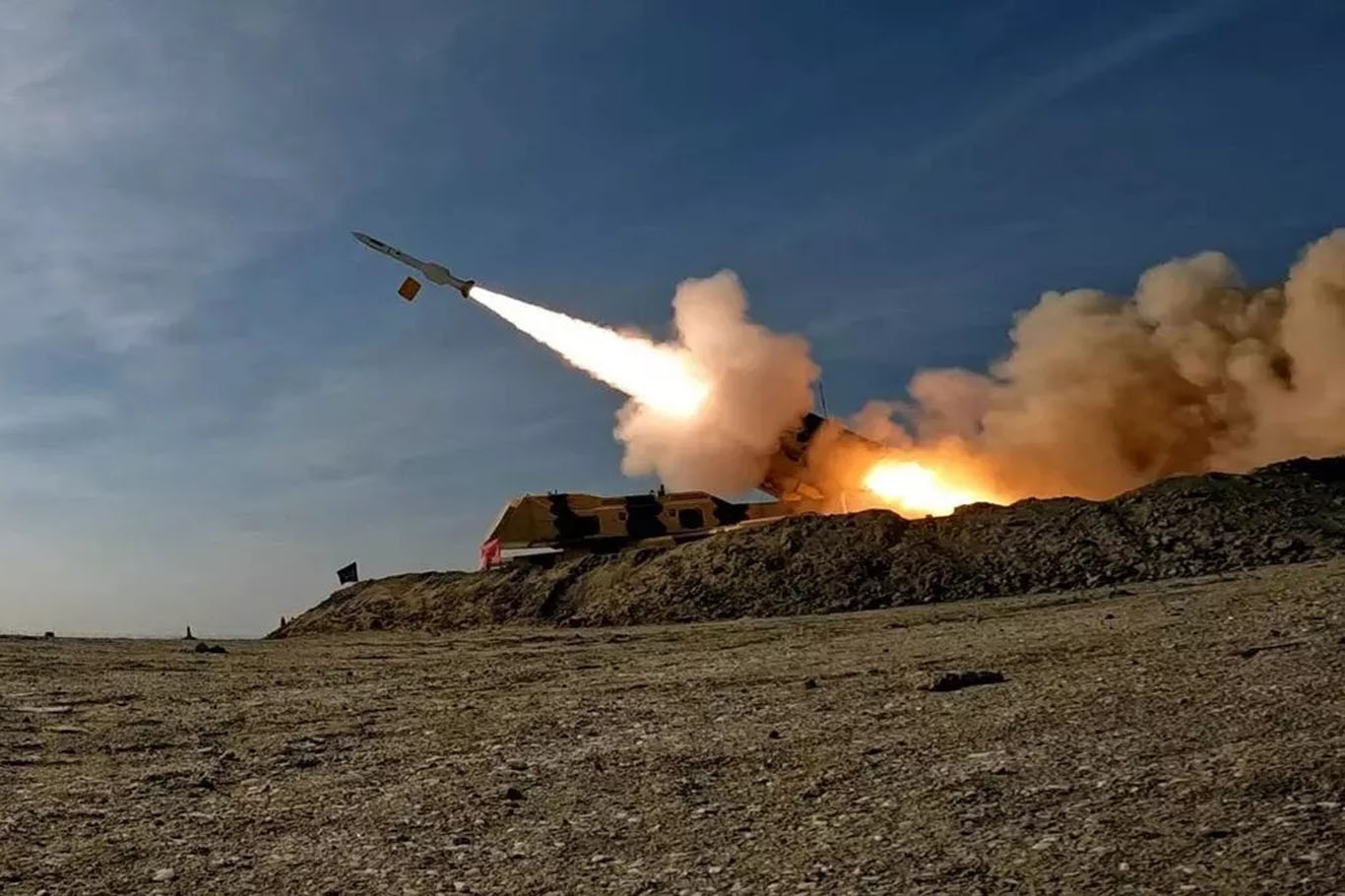
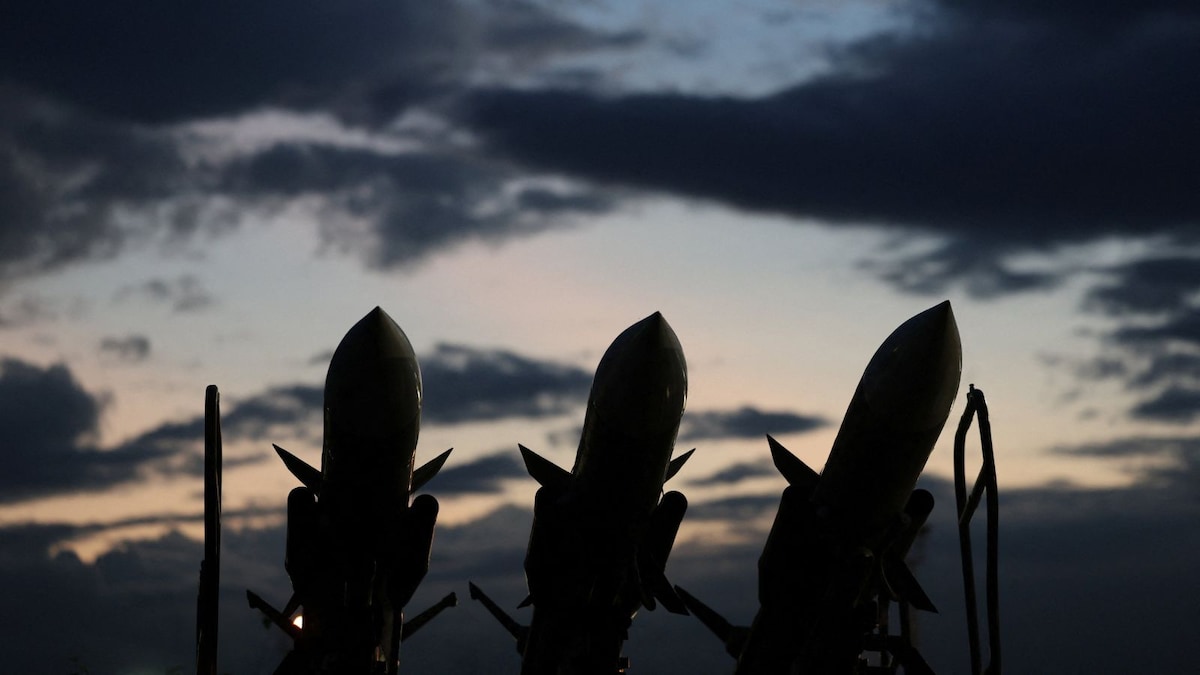
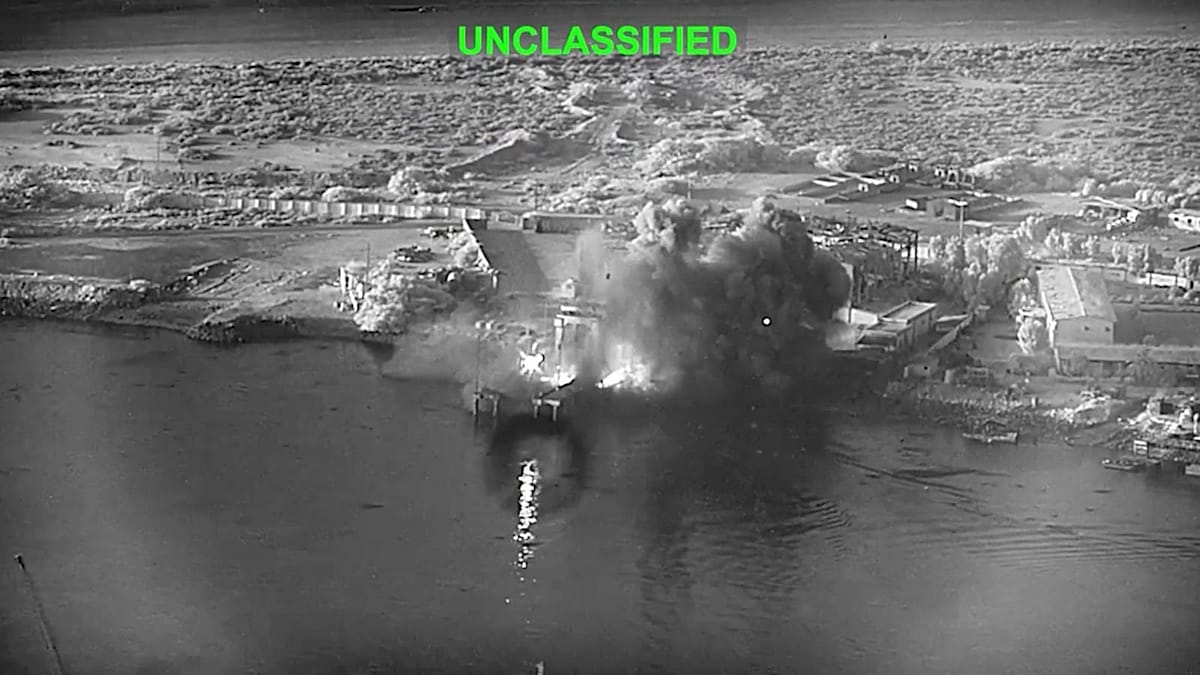
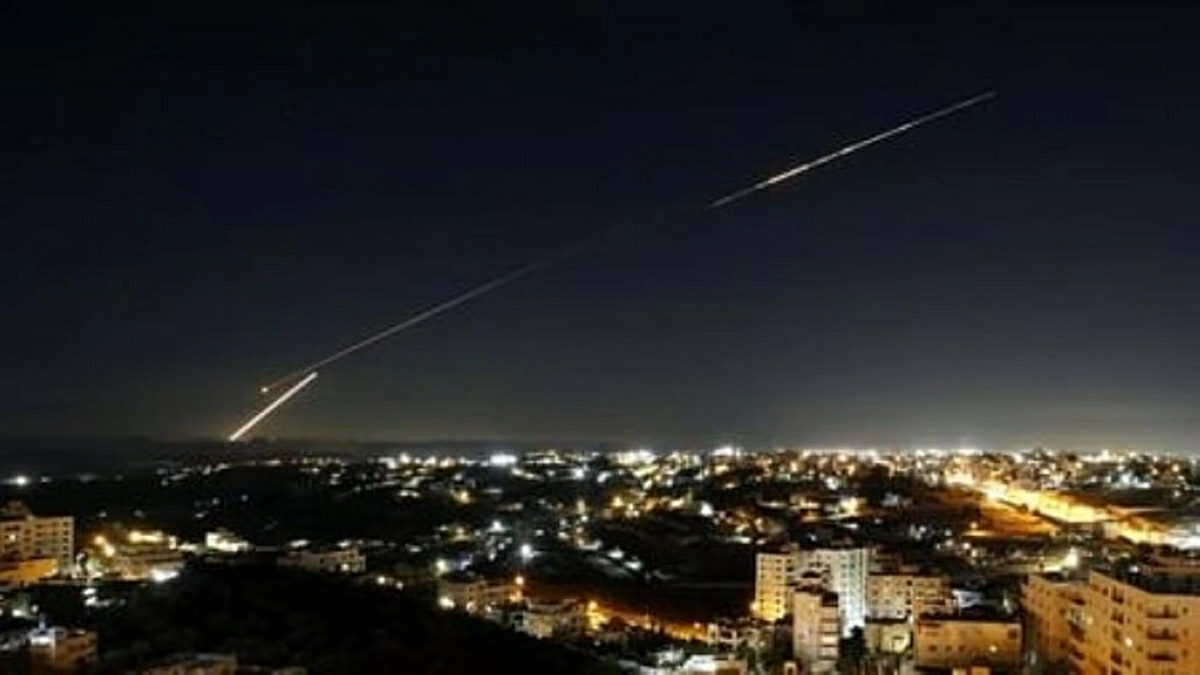
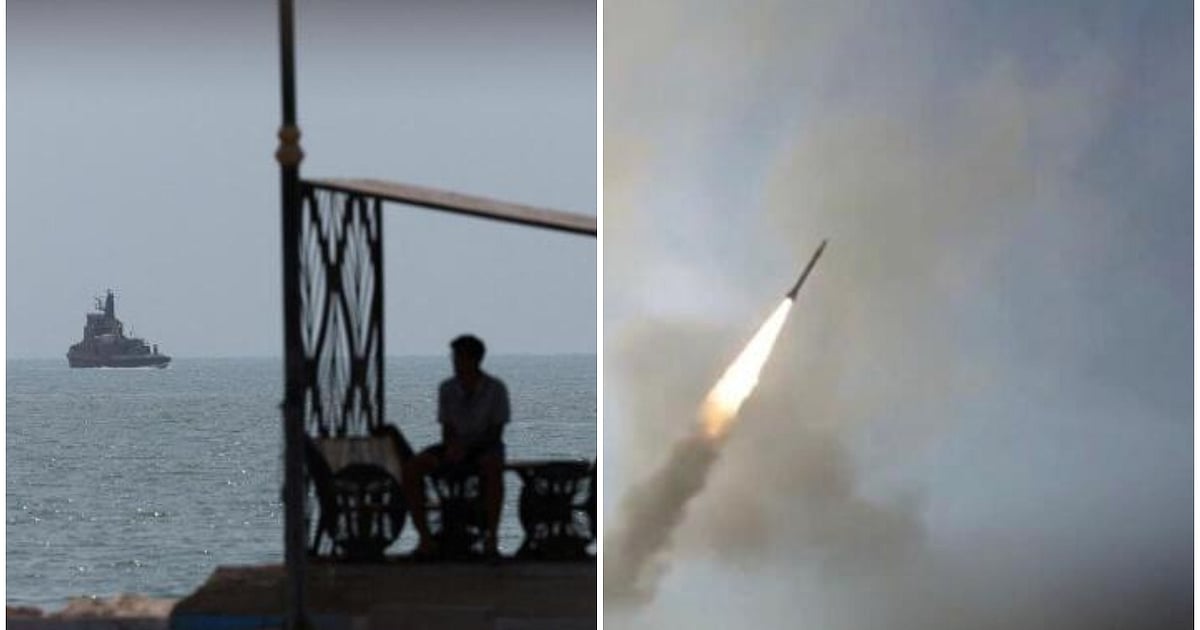
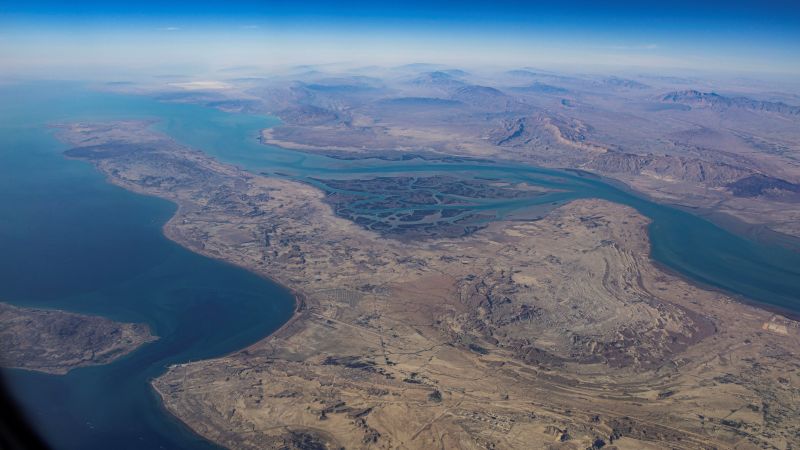
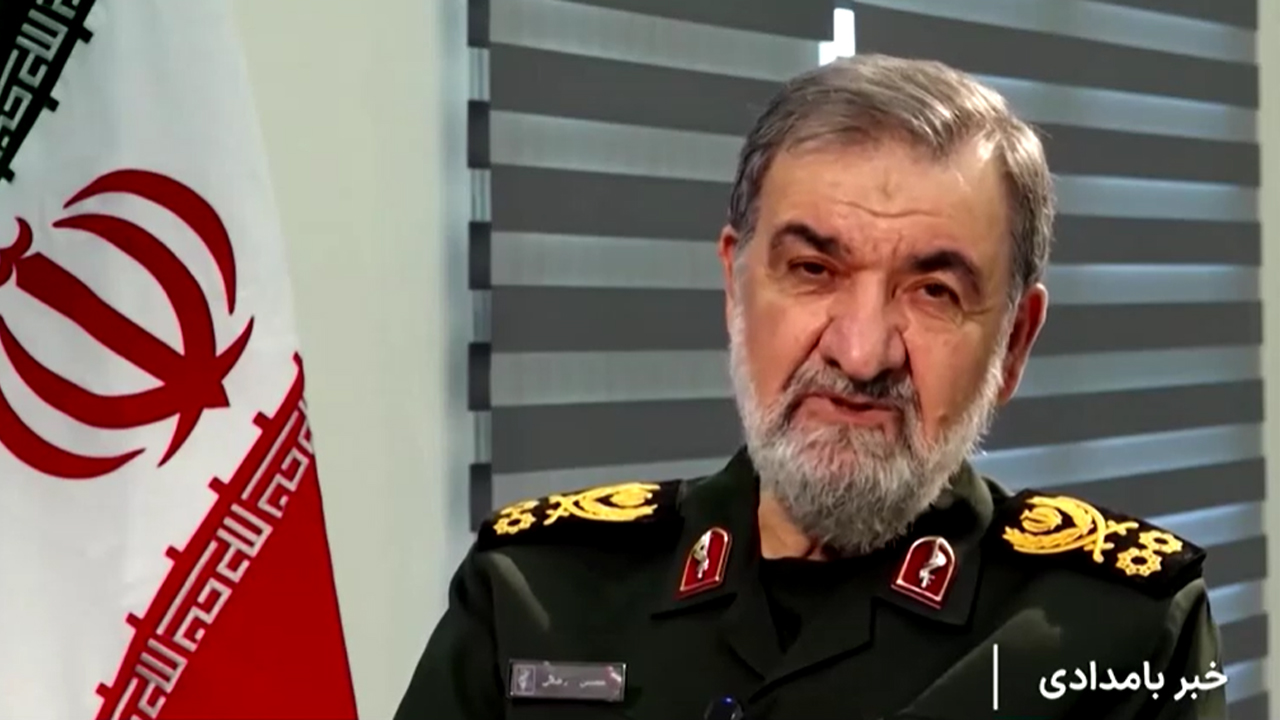
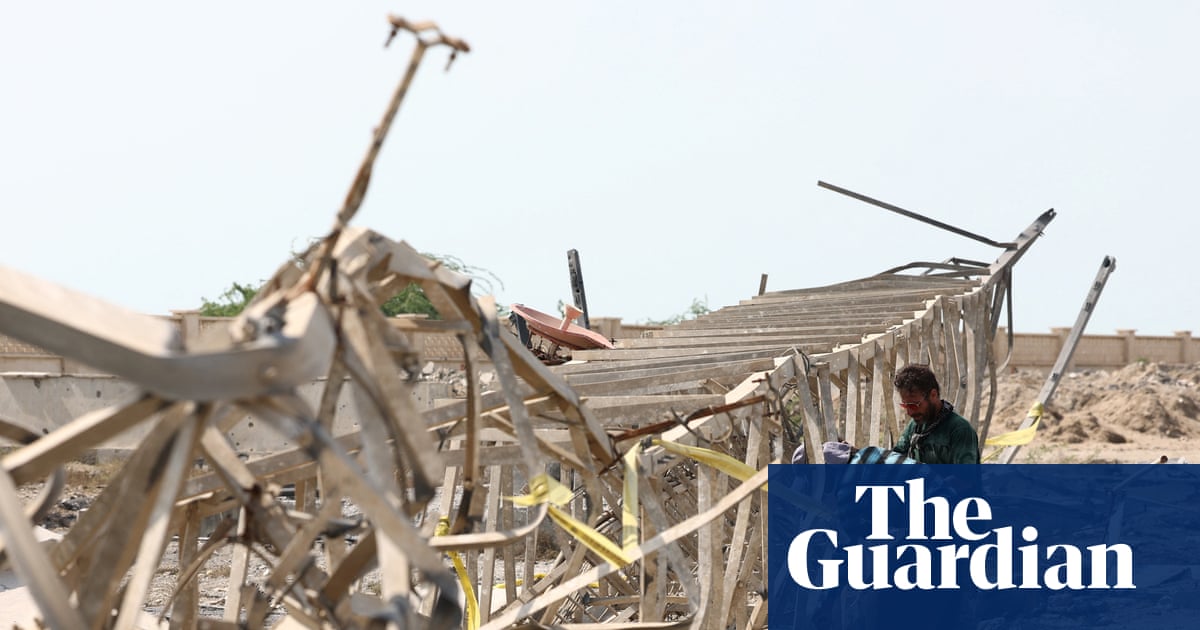
Iran’s Islamic Revolutionary Guard Corps says it has targeted and destroyed a US early-warning radar in Bahrain in response to a US airstrike on a communications tower in Sirik overlooking the strait of Hormuz. It is Iran’s first direct attack on US military installations for months.
“This is a serious warning to the aggressor enemy to end its aerial mischief and oil smuggling in the strait of Hormuz,” the IRGC said. “In the event of repeated violations and aggression, the IRGC aerospace force is on full alert to confront the enemy without constraint.”
Donald Trump has said in a series of media interviews over the past 24 hours that he will attack Iran only if necessary, claiming that Gulf countries, such as Saudi Arabia, have urged him to hold back from planned large-scale military strikes.
Trump said he had asked the vice-president, JD Vance, to end his interest in negotiating a new deal with Iran and instead focus on corruption and fraud in Democrat-run cities and states.
Vance had been seen by the Iranians as the most trustworthy figure close to Trump, but they had rejected his request for a personal meeting with their negotiators to discuss the terms of a peace deal.
Vance has been at the forefront of Republicans saying the war was the cause of the widespread Republican losses in the midterms. Trump said he had been disappointed in the American public because higher diesel prices were a small price to pay for preventing Iran from acquiring a nuclear weapon.
An opinion poll in the UK showed 65% of the British public would oppose the US resuming the war in Iran, and only 14% would back it. The poll was conducted by YouGov for the Council for Arab-British Understanding (Caabu).
It also found 54% oppose UK bases being used by the US to mount attacks on Iran, with 29% in favour. Support for additional UK sanctions against Iran was 45%, with 22% opposed.
The poll was conducted on Tuesday and Wednesday this week, before two Iranians were found guilty on Thursday of spying and planning attacks on journalists in the UK. The Iranian embassy has rejected the court judgment as an attempt to advance a political agenda.
Chris Doyle, the director of Caabu, said: “The British public are sceptical about any war on Iran and what it might achieve. What might make the Burnham government take note is the very high level of opposition to any further war amongst 2024 Labour voters, at 79%.”
Iran’s Assembly of Experts, a body of elected Islamic jurists responsible for choosing the supreme leader, has become the first governing institution in Iran to call for a review of the country’s defence doctrine, potentially leading to religious permission for Iran to try to acquire a nuclear weapon.
In a statement released on Thursday, the assembly called for a review of Iran’s membership of the nuclear non-proliferation treaty, describing the move as an “unavoidable necessity” and a “public and national demand”.
The intervention carries a religious as much as political significance because the 88-strong assembly comprises senior clerics, most of whom are supposed to be qualified to exercise independent Islamic legal reasoning.
Iran has had a longstanding prohibition on nuclear weapons, based on a fatwa issued by the late supreme leader Ali Khamenei, but the relevance of the fatwa in the wake of the US attacks on Iran has been questioned widely in political and security circles.
Whether Iran has the stockpiles of uranium or technology to build a nuclear weapon is contested.
The UN nuclear inspectorate has expressed alarm about a continued lack of information from Iran about its nuclear sites. It said: “Our concerns are growing over Iran’s refusal to allow access to design information or inspections of the Isfahan facility. We do not know the exact location of the Isfahan uranium enrichment facility or whether it contains nuclear materials.
It is imperative that we carry out our verification activities in Iran without further delay.”