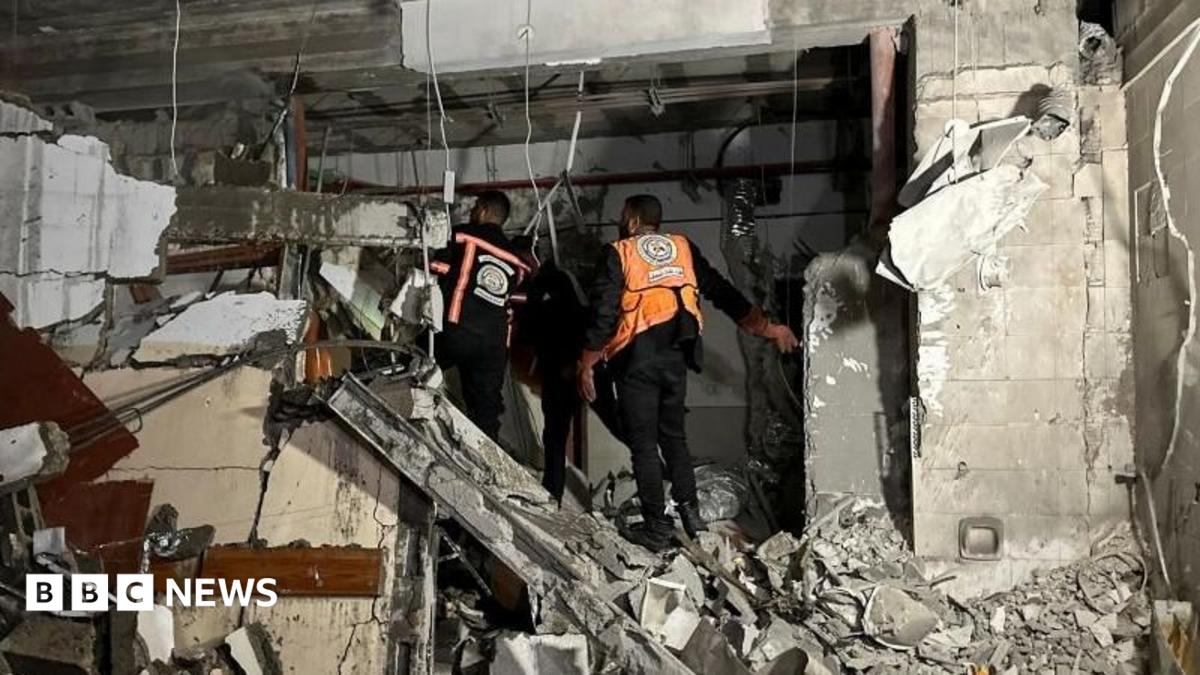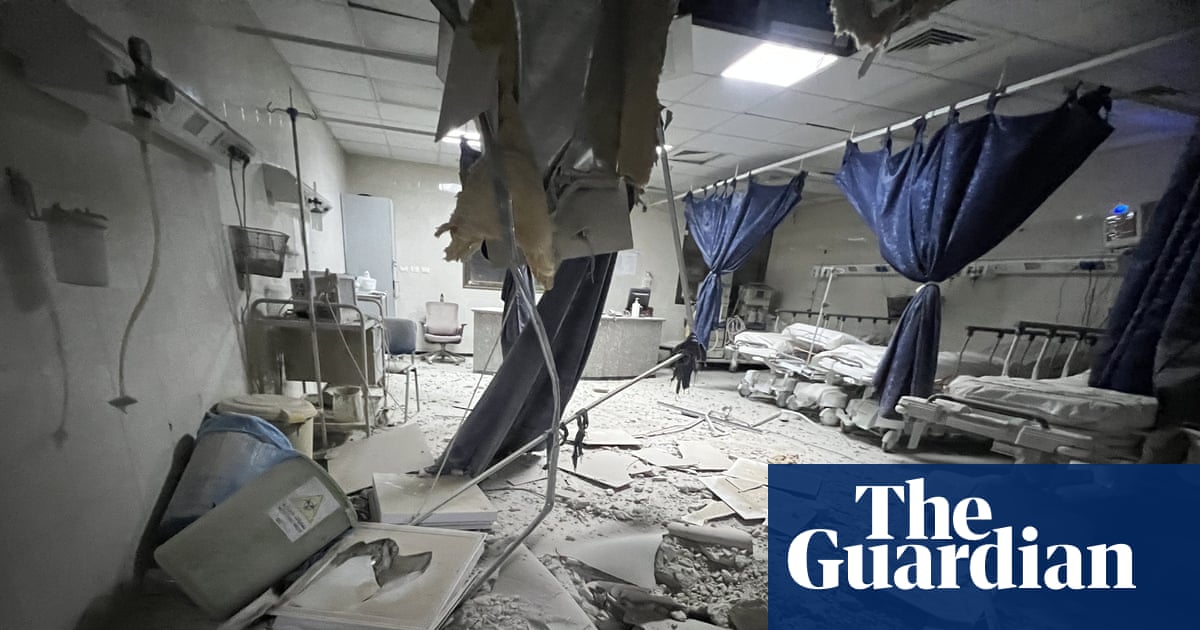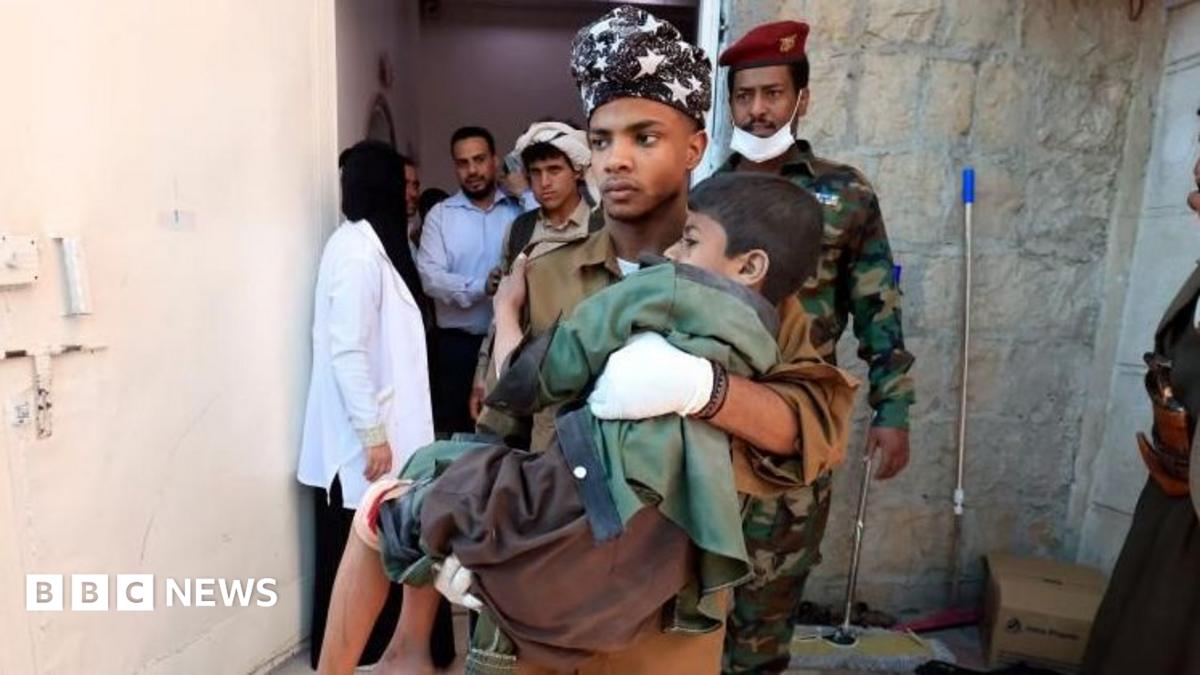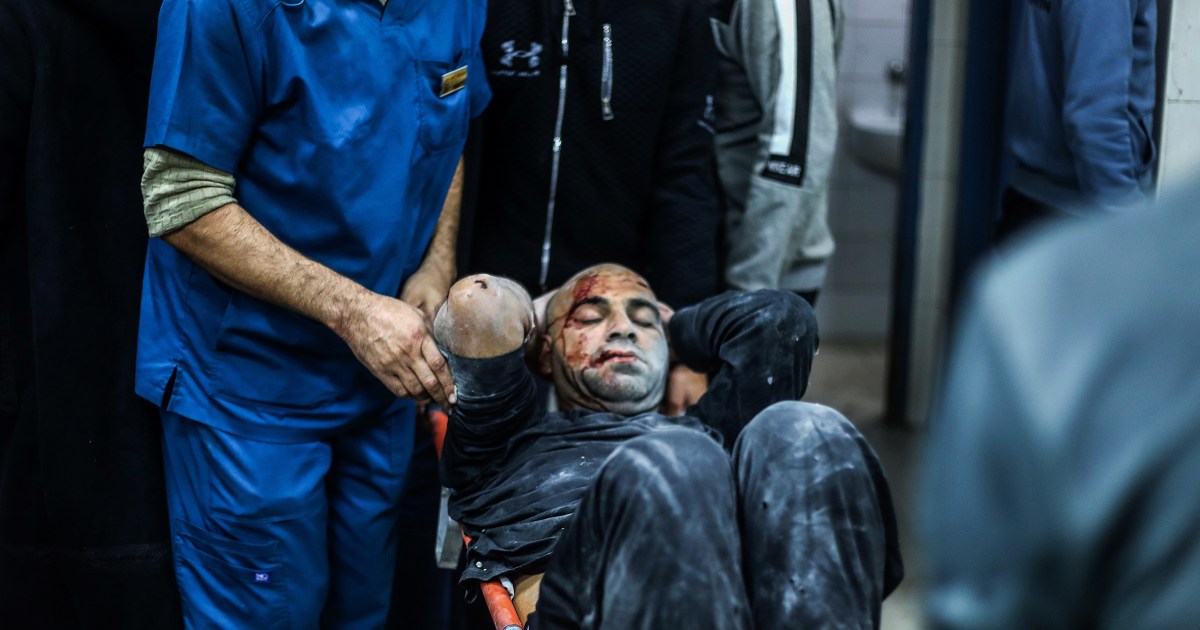
An Israeli airstrike on a hospital in southern Gaza overnight killed at least six people, the Health Ministry in the Palestinian enclave said Thursday. The strike hit a surgery building at Nasser Hospital, with medical staff and patients among those killed, including a surgeon and a 13-year-old boy, health officials said. The Israeli military said it was targeting a Hamas commander and other militants.
The strike — the latest despite an ongoing U.S.-backed ceasefire — shattered ceilings and left debris strewn across wards inside the hospital, which is one of the few functioning medical facilities left in Gaza after the destruction of Israel’s yearslong military assault. Palestinian surgeon Dr. Rizk Abu Shaira was among those killed, the Health Ministry said.
He was featured in the 2026 documentary “American Doctor,” which followed three American doctors helping to provide medical care in Gaza. An array of munitions debris was displayed at the hospital site as media visited on Thursday. Two munitions experts said an image supplied to NBC News appeared to show debris from a GBU-39 Small Diameter Bomb.
The U.S. is known to supply Israel with GBU-39 munitions, which are produced by Boeing in the United States and sold to a number of countries. The IDF and Pentagon did not immediately respond to a request for comment on whether U.S.-manufactured munitions were used in the strike.
While the image was captured at Nasser Hospital following the strike, NBC News is not able to independently confirm that they were the munitions used in the attack or how they came to be displayed there.
Justin Bronk, a senior research fellow for airpower and technology in the military sciences at the Royal United Services Institute, a think tank based in London, said he made that determination based on the “wing section visible,” adding that the GBU-39 “is a U.S. supplied weapon.” Brian Castner, a crisis researcher at Amnesty International, also identified the munitions as belonging to a GBU-39, adding that Israel
has used the bomb “in many strikes in Gaza.” Sam Lair, a fellow at the Foreign Policy Research Institute who manages and conducts investigations into nuclear and missile programs, said NBC News’ imagery appeared inconclusive, but “the wings, tail actuation system, lugs, and warhead” shown in other photos appear to match “a GBU-39 series small diameter bomb.” “It looks to be some kind of glide bomb or cruise missile,
and the English on the frame suggests it could be U.S.-origin, but I don’t see anything conclusive,” he said.
Dr. Ayman Abu Obeid, head of the surgery department at Nasser Hospital, said there was no “notice, warning or anything” before the hospital was attacked. “Suddenly, there was fire and shelling and walls were brought down instantly,” he said.
He said he was not aware of any “resistance fighters or combatants present — only a medical team treating patients.” NBC News also spoke with two surgeons who travelled to Gaza from the U.K. earlier this month to assist with medical care, and were said were in the hospital when the missile struck. Both Dr. Goher Rahbour, a consultant general and colorectal surgeon, and Dr.
Stephan Verborg, a limb reconstruction surgeon, said they were also not aware of any warning from the Israeli military before the strike, which hit the hospital shortly after midnight. “I heard the impact and I felt the explosion because the whole hospital shook,” Verborg said in a phone interview Thursday. He said he was about 15 to 20 meters away from the point of impact, adding: “You could smell the smoke.
You could see the dust.” Rahbour said he had been operating with Abu Shaira, whom he described as a “lovely” and “affable” person, earlier that day. He said they had been laughing and joking together Wednesday evening in the hours just before the Palestinian surgeon was killed.
Both doctors had traveled to Gaza early this month through the organization IDEALS, a U.K. charity seeking to provide sustainable humanitarian aid to regions affected by conflict or natural disasters. They said they had not seen any indication of a Hamas presence in the hospital. Tributes were paid to Abu Shaira. “Dr. Rizq was at the hospital during the entire war,” Dr.
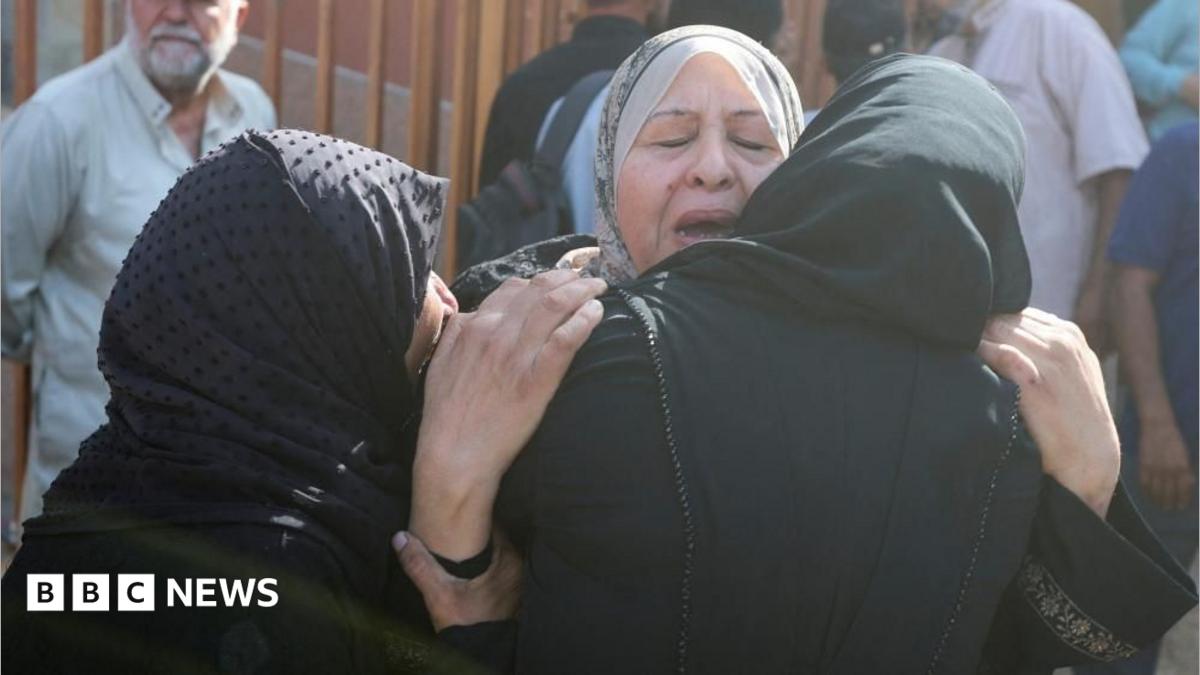
Mohammed Zaqout, director general of the Health Ministry in Gaza, could be seen telling a crowd of mourners, surrounding a body covered in a shroud, in a video captured for NBC News on Thursday. “He didn’t abandon his duties for even one day.” Nasser Hospital said a 13-year-old boy, identified as Jihad Naeem Muhammad Abu Tilikh, was also among those killed.
The Israeli military and the Israel Security Agency said they struck a senior Hamas member, along with other militants, who they said had “advanced” attacks from the hospital in the southern Gaza Strip overnight. In a later statement, they identified the senior member as Muhammad Abu Ismail, who they said served as the commander of Hamas’ Khan Younis Brigade and had also been responsible for holding hostages in Gaza.
The IDF and ISA said Hamas had “established a presence within the hospital complex and used it as a command center” and stored weapons and conducted interrogations and torture from within the medical complex. The IDF claimed the hospital’s second floor “serves as a Hamas military HQ, where civilians are not permitted to enter,” alleging that “dozens of hostages were held captive” there earlier in the war.
It shared photos of weapons alleged to have been found within the complex…