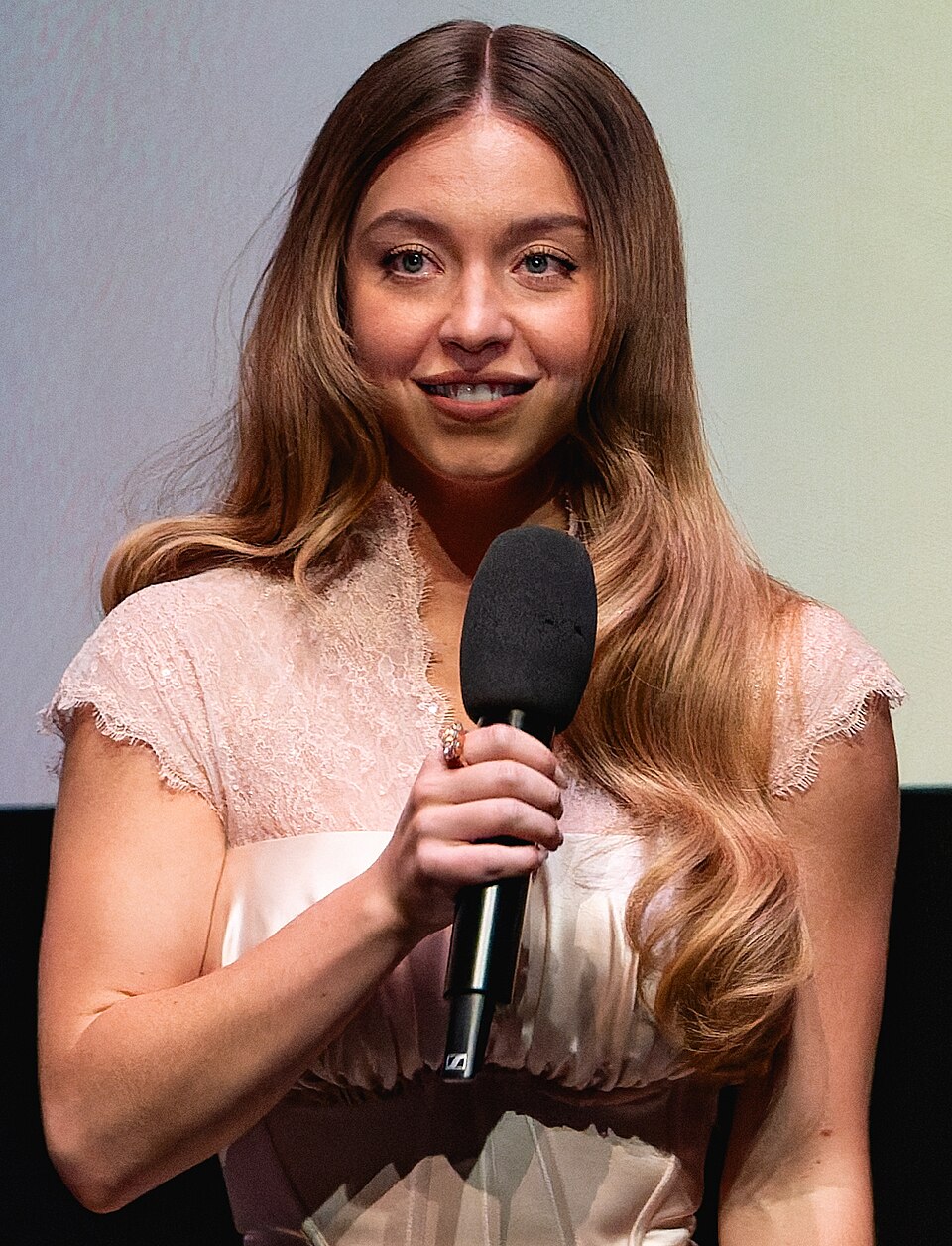
As she continues her farewell tour, the US singer-songwriter answers your questions on romance with Stephen Stills, friendship with Carly Simon and how folk underpins all pop
How did you come into Joni Mitchellâs orbit and how did you end up recording Both Sides, Now before she did? Steve-bayley Iâm 48 years sober, but in the old days I drank. One night in 1967, I was passed out and the phone rang at about 3am. It was my friend [the musician, songwriter and producer] Al Kooper. He said heâd been at a club and had run into this woman, Joni, who wrote songs.
He put her on the phone and she sang Both Sides, Now over the phone. It was brilliant. I said: âIâll be right over.â I recorded it the next day and it became a huge hit.
I donât think Joni was too happy that I was the first to record it, but she was very generous and Iâve since recorded many of her songs. She was unknown then, so Iâm proud that I was able to help introduce her to the world. Sheâs one of the great writers of all time.
What is your favourite memory of Leonard Cohen? viennesewaltzer In 1966, a friend at Atlantic Records who always talked about this guy Leonard rang up and said: âLeonard wants to see you. He wants you to sing his songs.â He came in to my apartment and said: âI canât play guitar. I have a terrible voice and I donât know if this is a song.â Then he played me Suzanne.
I said: âLeonard, that is a song and Iâm recording it tomorrow.â Which I did â and it became a huge hit. After that, he said: âNow youâve made me famous. I donât know why youâre not writing your own songs.â I went straight to the piano and wrote Since You Asked in 40 minutes. That was the beginning of my writing. Leonard was my guru, in a way.
I first encountered the song My Father via This Mortal Coilâs version. Is it autobiographical? mbleeze Itâs very autobiographical, although my father wasnât a coalminer in Ohio and didnât promise to take us to France. I had to make it rhyme and make sense, but itâs really about the ethereal idea we have of our parents and how they inspire us.
My father was blind from the age of four, but he never used a dog or a cane. He went through the world determined to conquer. He went anywhere he wanted â through the city, upstairs in the bus â guided by the sound of his heels on the pavement.
Then, by himself, he became a great radio personality in three cities. He sang the Great American Songbook and Irish and Scottish folk songs and had books in braille piled up to the ceiling, which he could read to us in the dark. His determination was such that he believed we could achieve anything, which is kinda what the songâs about.
After five superlative traditional folk albums, you got together with [the arranger] Joshua Rifkin in 1966 to produce the groundbreaking album In My Life, in which you treat contemporary song [the Beatles, Leonard Cohen, Bob Dylan, Donovan] with the seriousness usually reserved for classical song.
How did you come to do that? hcir321 Iâd done Dylan songs before, but for In My Life Iâd actually gone back to the songs written in Germany by Brecht and Weill.
Once Iâd done Pirate Jenny â [sings] âYou gentlemen can watch while Iâm scrubbing the floorâ â I thought it would be interesting to take songs from Berlin from the 1940s and put them with this wonderful music the Beatles and others were doing, so the contrast was really interesting. I was always searching.
Stephen Stills wrote the epic seven-minute masterpiece Suite: Judy Blue Eyes about you on Crosby, Stills & Nashâs debut. Is it your favourite song by the band? raphph When we were making Who Knows Where the Time Goes [with Stills on guitar and bass], we had an affair that lasted four months, but I didnât like California. He didnât like New York, or therapy, and I was in both.
After we split up, I was in California doing a show on my birthday and he brought me flowers and sang Judy Blue Eyes to me. We were both in tears and I said: âOh, itâs beautiful, but itâs not going to get me back.â Iâd launched into another affair with someone else, but Stephen and I have been friends for 60 years.
After my wonderful husband, Louis, died in 2024, we played a song together and on stage Stephen said: âShe married the right guy,â which was so touching â they were buddies. Stephen also wrote Helplessly Hoping about me and I wrote Houses about him. All his songs were