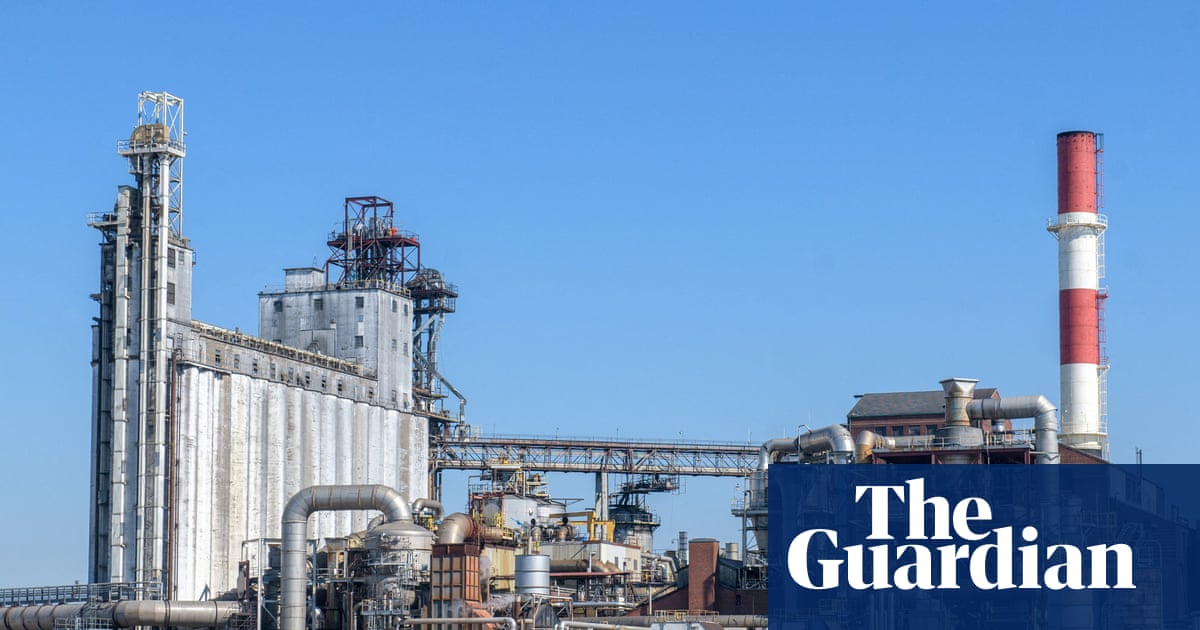
Andrew M Kozak, 41, of Chillicothe, Illinois, has been charged in connection with a bomb threat at the BioUrja Renewables ethanol plant in Peoria. He pleaded not guilty to two federal charges in court on Tuesday.
The justice department charged Kozak with transmitting a threat through interstate or foreign commerce to unlawfully damage or destroy the plant using fire and an explosive, and with making threatening interstate communications.
Authorities allege Kozak emailed the plant last Friday, claiming explosive devices had been placed at the facility. The threat triggered a law enforcement response and led to a mandatory evacuation within a 1-mile radius, affecting thousands of residents in parts of Peoria and East Peoria. The order remained in effect until last Saturday afternoon.
Authorities found an explosive device at the facility, which produces ethanol for fuel and alcohol. The device did not detonate, and no injuries were reported.
According to his LinkedIn page, Kozak has worked as a process trainee at the plant since February. He described his role as: “Learning how to operate an ethanol plant.”
“Threats to public safety generate fear in our community and cause significant disruption to residents, who deserve to go about their days free of worry about impending violence,” Gregory M Gilmore, US attorney for the central district of Illinois, said. He added: “My office is committed to prosecuting these serious crimes. We are grateful to our federal and local law enforcement partners for their dedicated work in furtherance of community safety.”
Christopher Amon, the ATF’s Chicago field division special agent in charge, said: “An arrest was made in this case within 72 hours, demonstrating the tireless efforts of the law enforcement and intelligence personnel who worked around the clock to investigate an act that caused mass disruption and threatened the safety of the Peoria community.”
If convicted, Kozak faces up to 10 years in prison on the first count and up to five years on the second. Each charge also carries a potential fine of up to $250,000 and up to three years of supervised release.