Microsoft Learns Its Lesson With Copilot Being Shoved Down The User’s Throat; Promises Optional Addition In Windows 11 Search UI
By Google News Technology ·

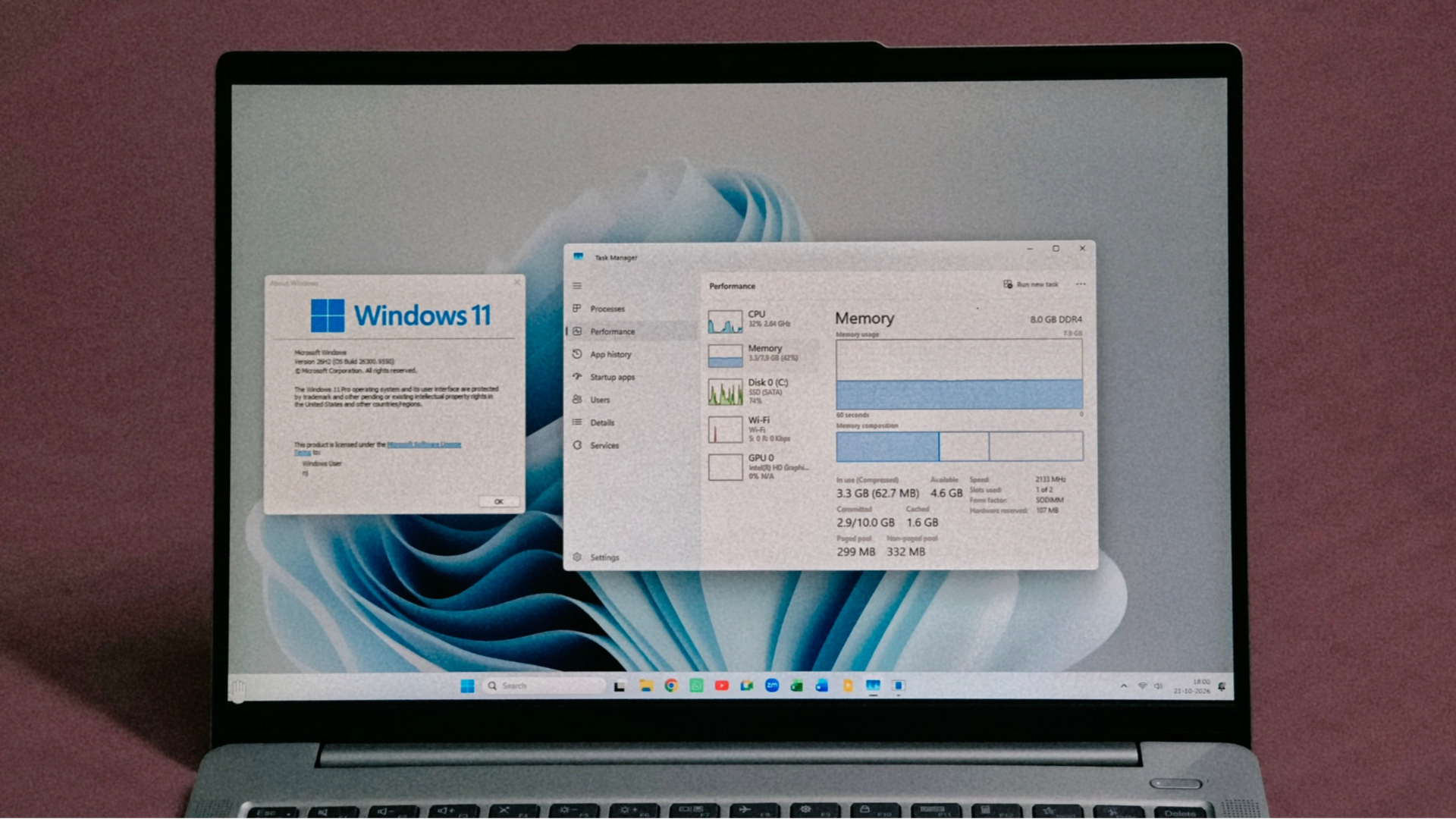
Windows 11’s optimizations don’t just include making the operating system more responsive and more suitable for 8GB RAM systems, but also providing a refined experience for users without forcing them to use or rely on certain features. The company learned this the hard way when its Copilot strategy failed miserably, forcing the software giant to backtrack on its decision and introduce a more subtle approach.
Windows 11’s Search UI will be integrated with Copilot, but unlike last time, users can opt out.
The Windows 11 Search UI redesign represents a direction towards making desktop navigation faster while laying the groundwork for hybrid intelligence across local hardware and cloud systems. The foundation of the rebuilt interface introduces native actions, allowing users to execute system-level controls straight from the query box without needing complex language models or requiring dedicated NPUs.
Small actions like being able to switch to Windows 11’s dark mode, mute audio, and more will help streamline routine desktop tweaks into instant, one-click interactions. Best of all, Microsoft has stated that Copilot will be integrated into Search and is expected to roll out to certain markets before 2026 ends, with the flexibility that users would not be bound to exclusively have it in front of them.
“We will also begin adding the option to integrate the new Copilot with Search on the taskbar, so you can get quick answers inline from Search, and if you want to have a richer conversation, you can jump from Search directly to the full Copilot app. This experience will be opt in, and will first start rolling out to select markets later this year.”
Previously, Copilot would clutter the Taskbar while also utilizing valuable system resources, particularly on low-end systems, so Microsoft is taking a more thoughtful approach to improving Windows 11. Users will also have the flexibility to keep Copilot disabled without losing access to core operating system search improvements.
By treating artificial intelligence as a modular choice rather than an unavoidable requirement, Microsoft may finally strike the right balance between modernizing desktop functionality and respecting traditional PC control. The company followed a similar approach with OneDrive, with users finally being allowed to opt out of the service instead of having to face the incessant reminders.
It finally appears that Microsoft has turned over a new leaf.
About the author: Omar Sohail is a reporter and analyst for Wccftech's mobile section, specializing in the technology and business of the mobile industry. His expertise lies in the intricate hardware supply chain, covering developments in semiconductor manufacturing, chip lithography, and camera sensor technology.
Follow Wccftech on Google to get more of our news coverage in your feeds.
Originally published by Google News Technology