'My mortgage is going up £200 a month': How rising interest rates are hitting people's pockets
By Google News Personal Finance ·

The BBC spoke to three people about how they could be affected by rising interest rates
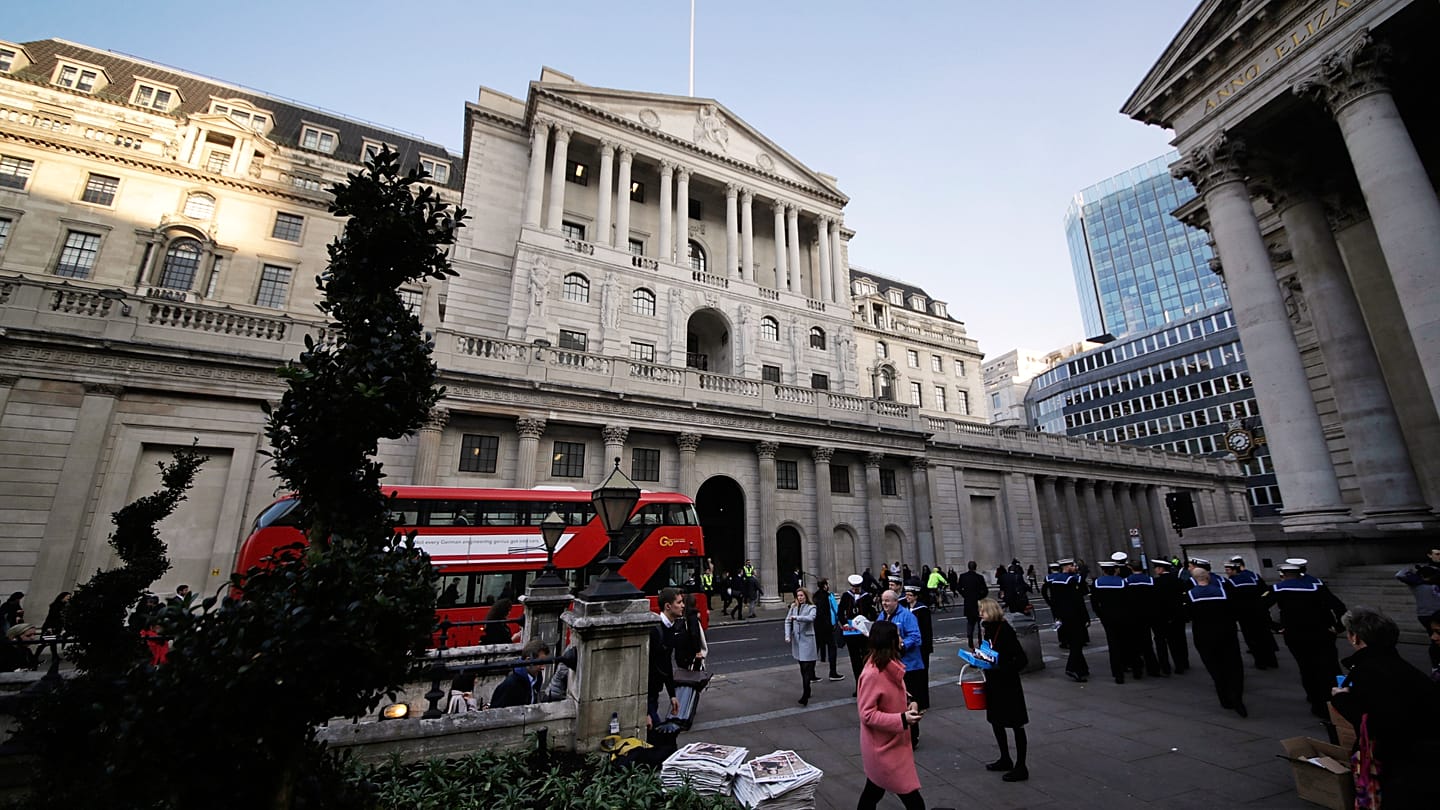
On Thursday, the Bank of England increased interest rates for the first time in over three years as it tries to get a grip on rising inflation linked to the Iran war.
Experts say there could be more hikes over the next 18 months, as the conflict continues to push up food, fuel and energy prices across the UK and worldwide.
Higher interest rates affect borrowing costs, however, which means mortgages, credit cards and personal loans could get more expensive for millions, even as savings rates improve.
For some, it could mean extra financial pressure at a time when they are already struggling with the cost of living. The BBC spoke to three people about how they could be affected.
Peter Gill says his family's costs are rising
Peter Gill, 48, is one of the around 1.3 million Britons on a variable rate mortgage.
These loans track the Bank of England base rate, with a margin on top determined by the lender, so any rise in interest rates can push up repayments.
Peter, who runs a small tiling business in Halifax, says his monthly repayments will go up by roughly £45 following Thursday's quarter-percentage point increase and he's worried they could climb higher.
But he still thinks it'd be more expensive to move onto a fixed-rate deal - which is when you pay a set amount of monthly interest for a period - and is prepared to stay put for now.
Watch: What does the raise in interest rates mean?
His higher mortgage costs come as the "cost of everything is going up", he says.
The father of two, who has a combined household income of £45,000 with his wife Faye, is having to pay his staff more because of increases in the national minimum wage. Raw material costs have also risen due to the war in Iran.
At home, the family's food, gas and electricity bills have gone up and he says he's working "about six and a half days a week" to shield them from the worst of it.
"From my point of view, inflation goes up which costs you, then interest rates go up and you have even less money."
Dawn Fazackerley-King is struggling but says there's "no more fat to trim"
Most UK mortgage holders are on fixed-rate deals, but that doesn't necessarily protect them when the Bank of England puts up rates.
David Hollingworth, from brokers L&C Mortgages, says many people will be shocked at how much higher fixed-rate deals are than they were five years ago following recent increases.
"Fixed rates have already risen due to market anticipation that interest rates would need to rise to combat higher inflation," he says.
Dawn Fazackerley-King is a Pilates instructor who lives near Ipswich and has previously spoken to the BBC about her struggles with the cost of living.
She was on a five-year fixed deal at 1.4%, which she took out in January 2022. But the mother of two is about to refix for two years and the best deal she can find is a 5.69% loan. That will push her costs up by about £200 a month.
"I don't know where that money is going to come from, it's something we are going to have to figure out as a family. It's stressful."
She and her husband, who have a joint income of about £70,000, have already gone through their direct debits and there's "no more obvious fat to trim".
There is also no scope for them to take on additional work, as they both work full time.
"We're still living in the same property, our household costs are remaining the same," Dawn says. "It's an…
Originally published by Google News Personal Finance