What does the UK interest rate rise mean for homeowners and savers?
By Google News Personal Finance ·

First rate rise for more than three years leaves millions facing rise in mortgage payments
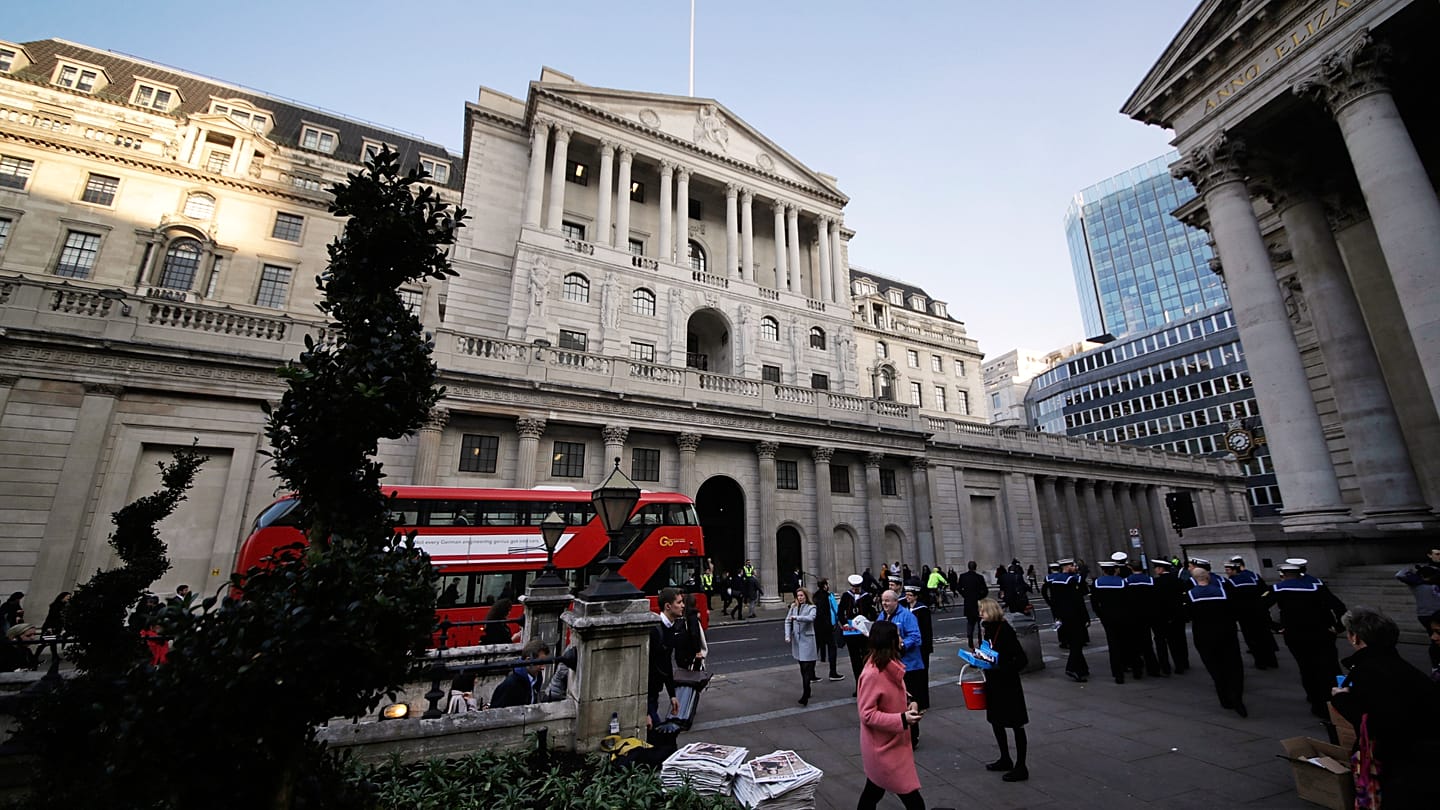
Bank of England raises interest rates to 4%
The Bank of England has hiked interest rates by 0.25 percentage points, taking the base rate to 4%. It is the first rate rise for more than three years, leaving millions of households facing a sharp rise in mortgage payments.
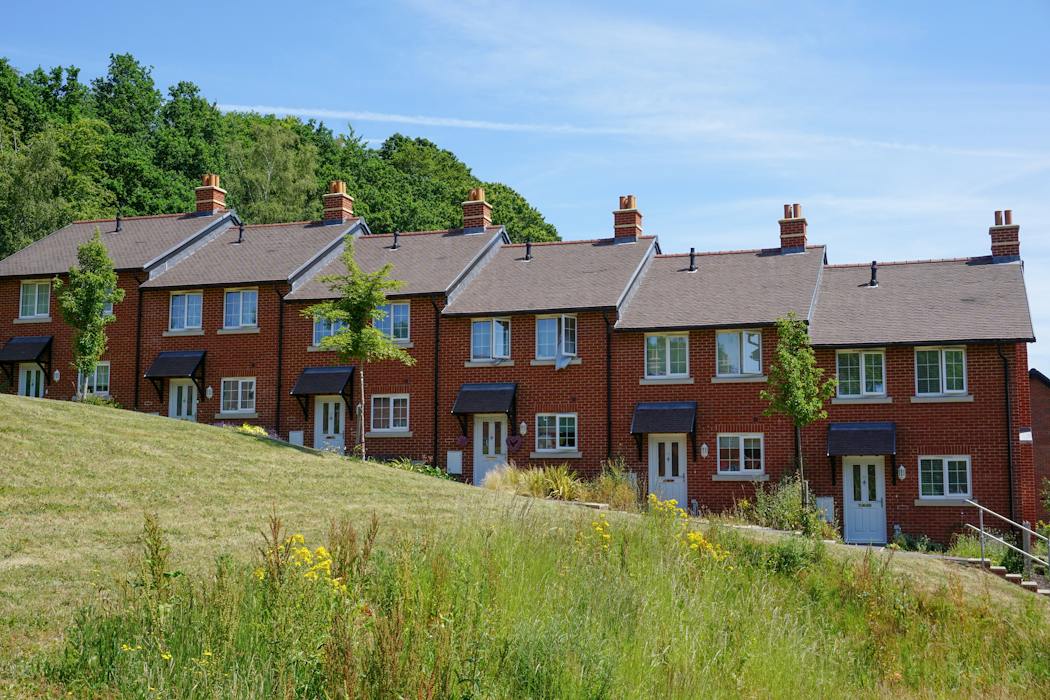
For the vast majority of borrowers the answer is no: more than 7.3m (87%) of Britain’s almost 8.5m existing residential mortgages are on a fixed rate. That means their monthly repayments will stay the same until their current deal ends. But for some, this period of calm won’t last long: if an existing deal is finishing soon, consumers could well face a payment shock.
The base rate hike will immediately translate into higher borrowing costs for the 510,000 homeowners with a base-rate tracker mortgage. The rate they pay will rise in line with the Bank’s increase.
The banking body UK Finance says monthly paymentss for a typical tracker mortgage customer (with an outstanding balance of £147,000) will rise by £30.72 as a result of Thursday’s decision.
Most, if not all, of the 470,000 borrowers on their lender’s standard variable rate (SVR) will probably pay more, too, though they may not find out immediately. Although it is likely that lenders will increase their SVRs by the full amount, they don’t have to change them. A lender could choose to pass on just part of the rise.
UK Finance estimates a typical SVR borrower will pay £14.28 a month more, assuming the rise is passed on in full.
These are tough times for homebuyers and those due to remortgage soon: the financial data provider Moneyfacts said this week that the average new mortgage rate has risen to a three-year high of 5.89%. That’s up from 5.83% at the start of October, and 4.99% this time last year.
But there are glimmers of hope. Today’s interest rate rise had been expected for weeks and had already been factored in to the pricing of new fixed-rate mortgages, says Nicholas Mendes at the broker John Charcol.
That is why several big lenders, including Halifax, Barclays and Nationwide, were able to cut the cost of their new fixed deals earlier this week. As a result, there are a number of fixed-rate deals priced at below 5%, though these are mainly available to those with at least a 40% deposit or equity.
About 2.3m fixed-rate mortgage deals are due to end in 2027, plus roughly another 200,000 or so between now and 31 December, and most of these people will need to find a new deal.
Depending on what happens with mortgage rates, those coming off five-year fixed deals will typically face a hefty jump in their monthly payments when they switch to a new product. On average, someone who took out a five-year fix in early November 2021 – which is therefore ending this month – signed up to a rate of 2.59%.
On Thursday, the average new five-year fixed deal was priced at 5.99%. Roughly, for a £175,000 repayment mortgage with 25 years remaining, moving from a 2.59% rate to 5.99% translates into a £334 increase in monthly payments – an extra £4,000 a year.
For those coming off a two-year fixed deal and switching to a new fix, the typical increase in monthly payments will be a lot less dramatic.
Mendes says: “If the rise is seen as a one-off precaution, swap rates [which determine the pricing of new fixed deals] could ease and lenders would have room to keep cutting fixed rates.” But if this is seen as the start of a series of…
Originally published by Google News Personal Finance