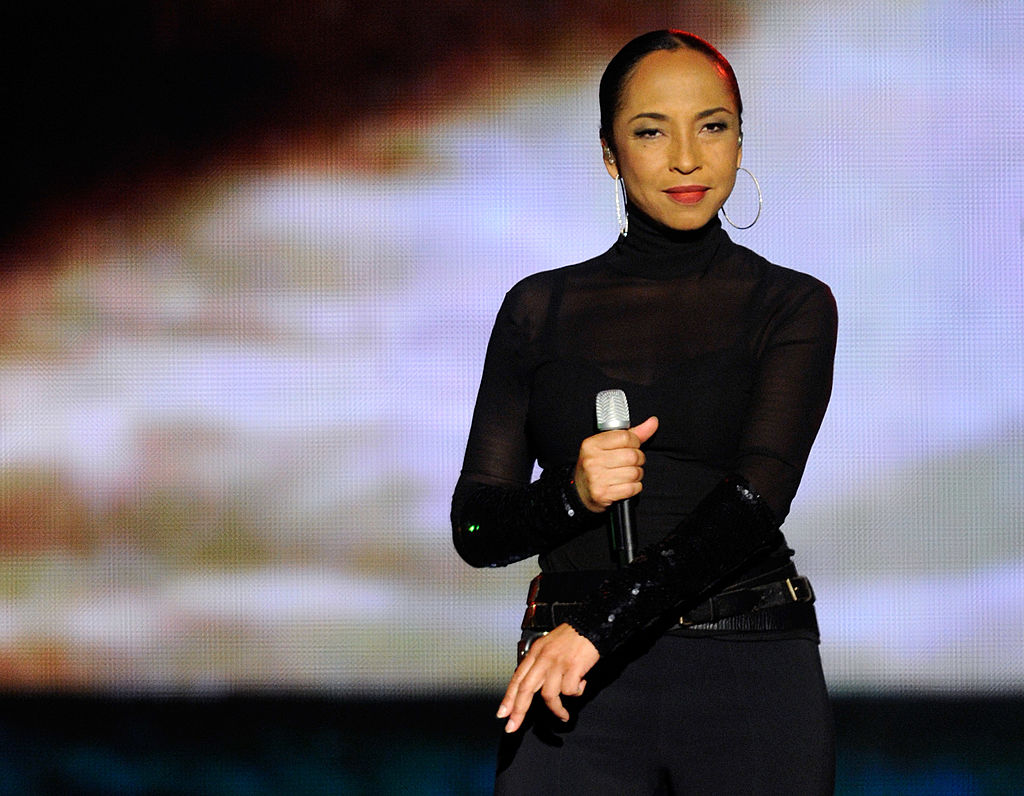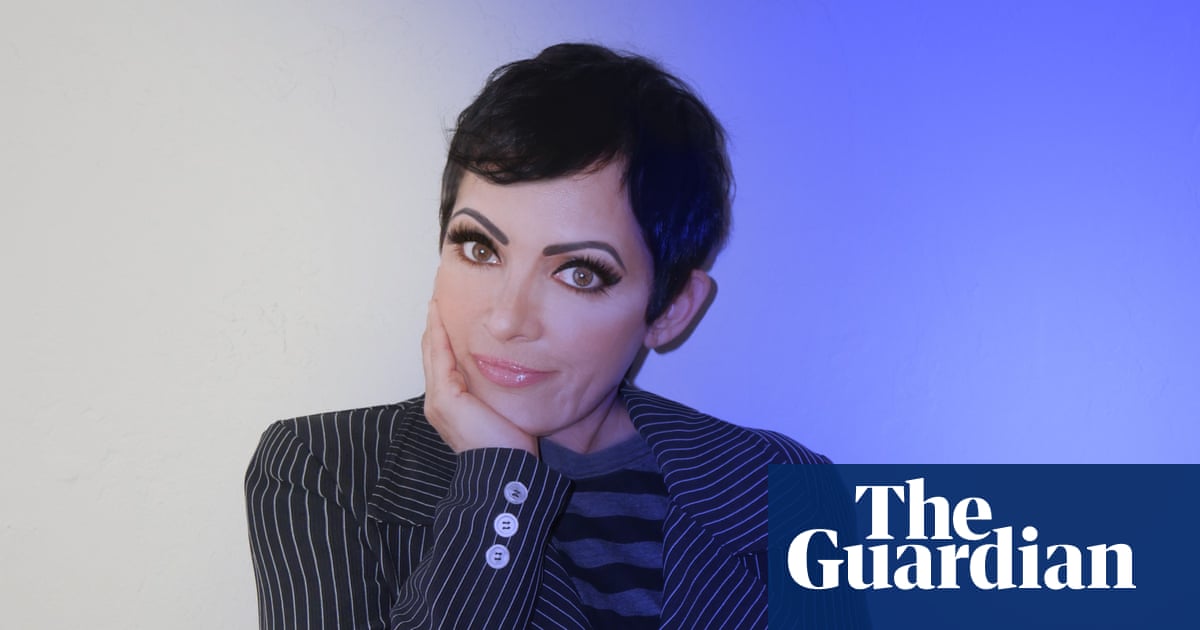
As she releases a brutally honest memoir, the new wave icon opens up about industry sexism, living with bipolar disorder and becoming âthe worldâs first atheist ordained ministerâ
The first thing Jane Wiedlin tells me before our interview even begins is that, an hour or so earlier, she downed two beers. âIt keeps me cheerful,â she says with a laugh.
The disclosure dovetails with the reason weâre doing the interview in the first place, which is to unpack her new memoir, a tome that deserves a truth-in-advertising award for its title alone: TMI (as in âtoo much informationâ). âIâve always been TMI!â Wiedlin proudly announces. âIâm the one who always wanted to expose the truth. This book is my first opportunity to do so.â
A portion of that truth has to do with the band she helped form in the late 70s, the Go-Goâs. The five-piece are not only the first all-female band who play their own instruments and write their own material to earn a No 1 album in the US but, astonishingly, are the only such group to hold that distinction nearly 45 years later.
The groupâs power-pop music, heard in zippy hits like Our Lips Are Sealed and Vacation, led to their induction into the Rock and Roll Hall of Fame in 2021, inspired a Broadway play and influenced modern female artists all the way from Olivia Rodrigo to Wet Leg.
As it happens, three out of five of the other Go-Goâs members â Kathy Valentine, Belinda Carlisle and Gina Schock â have already published their own books, and while Wiedlin says she loves those women, she is quick to add: âTheyâre very private people. There are all these things they donât want people to know, and I just donât feel that way.
I donât feel itâs honest for me to tell my story and not tell my real story.â
When writing her story, she felt it was crucial âthat I didnât make myself look good. Iâve made a lot of bad decisions in my life, and I donât like blaming other people,â she says. âI want to take responsibility for what Iâve done and for who I am.â
At the same time, factors beyond her control played a major part in creating many of the most harrowing of those situations. Since she was 11, Wiedlin has experienced depression, leading to periods so torturous she made two suicide attempts over the years and has periods of ideation to this day.
She has also dealt with bipolarity, a seesaw of highs and lows that, at its most manic in her has led to impulsive behavior that has damaged her already problematic relationships. (Wiedlin has been married and divorced three times.) âIf you asked my partners over the years, I think all of them would tell you that I was a nut job,â she says matter-of-factly. âI can be very tough and hard on people.â
That view of Wiedlin stands at great odds with her sprightly image, an impression that strikes you the moment she opens her mouth. Her speaking voice has the adorable squeak of a beloved cartoon character, an image enhanced by her animated appearance, highlighted by purple hair and a pink blouse that wouldnât be out of place on Pee-weeâs Playhouse.
Weâre talking via Zoom from her hotel room in Cancun, Mexico, where she has flown to perform with Go-Goâs drummer Gina Schock at an 80s nostalgia music festival. Right before the interview, she granted a long meet-and-greet where she chugged those beers to ensure a cheery demeanor for her fans. That will to please forms a key motif in her memoir, a tendency that has often made her push down her true feelings.
The result even shows in her prose style. While her book never flinches from the most painful parts of her life, her tone remains chipper and witty. âAs a mature woman, I have to really struggle against being the âgood girlâ,â the 68-year-old artist tells me. âIâm a people-pleaser.â
She puts part of that down to her midwest upbringing in the 1950s, when girls were âtold to just shut up and be cuteâ. Though she speaks about her parents in loving terms, there was a secret in the family that hints at tension below. In her 40s, she was told she had an older sister who was autistic and who died in a drowning accident before Wiedlin was born.
She surmises she wasnât informed earlier because her mother was made to feel guilty for all of it, leading to a lingering melancholy in her. âBack then, everyone blamed the mother for autism,â she says. âI canât even imagine having that burden.â
Wiedlinâs depression