Novaya Gazeta’s Moscow newsroom closed on November 9, marking the latest major loss in a decade-long dismantling of Russia’s independent media ecosystem. A sign was placed above the entrance reading: “Novaya Gazeta lived here.”
For more than three decades, the newspaper investigated corruption and abuses of power. Six journalists associated with it were murdered for their work, including Anna Politkovskaya, whose reporting on the war in Chechnya reached far beyond Russia.
At the closure, co-founder and 2021 Nobel peace prize recipient Dmitry Muratov told reporters: “Those in our country who advocate for peace have been denied the right to read what they choose.”
The closure is part of a wider decline, rather than an isolated event, according to interviews conducted for doctoral research earlier in 2026. Russian outlets including TV Rain, RBK, Vedomosti, Lenta.ru and Meduza faced varied pressures: ownership changes, loss of audiences, investors or advertisers, and, in many cases, exile.
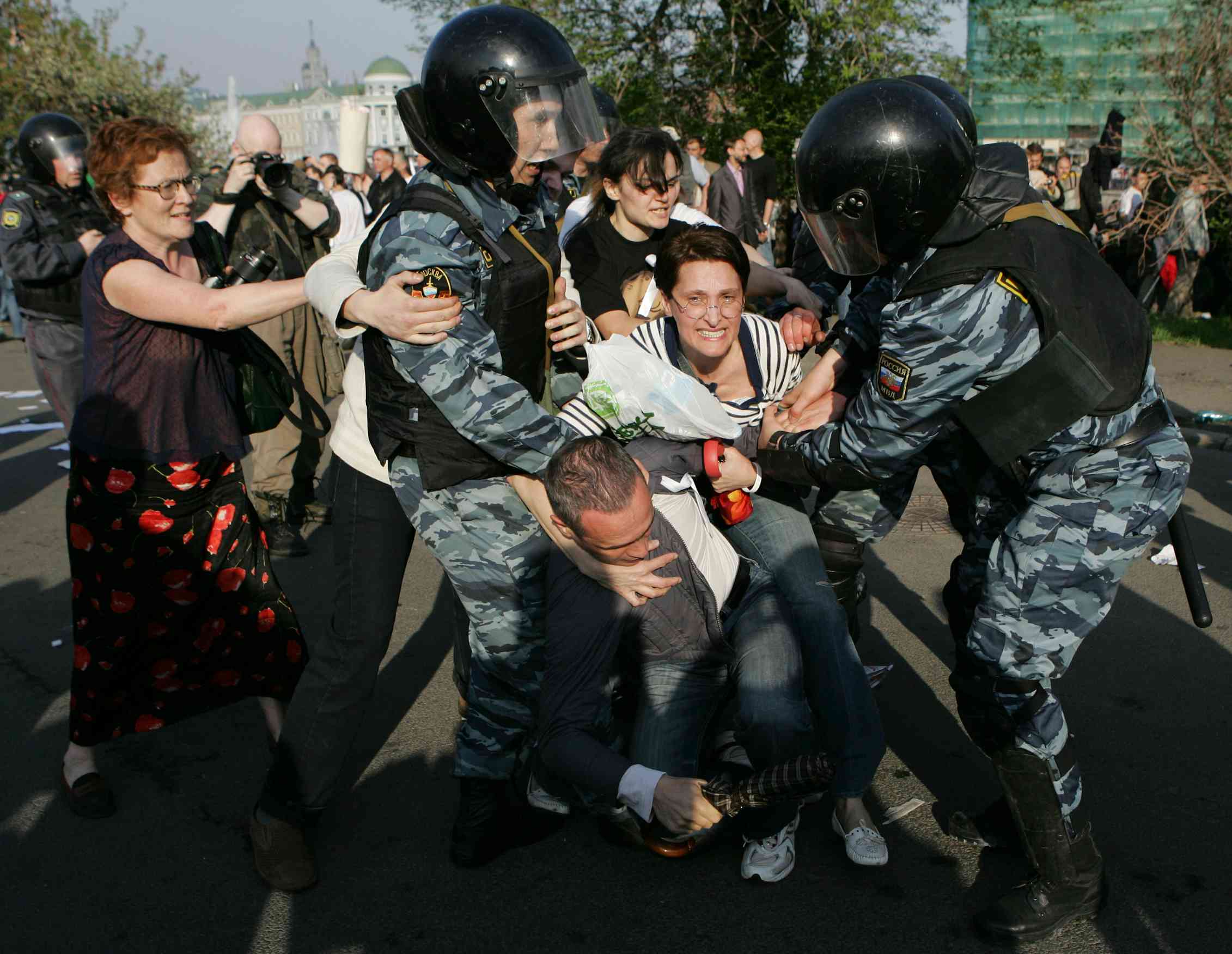
Journalist Svetlana Reiter said independent media had not disappeared overnight, recalling that “everything happened in steps”. Ilya Barabanov traced the shift to 2012, after protests following alleged fraud in parliamentary elections and Vladimir Putin’s return to the presidency. “Everything went wrong in 2012,” Barabanov said. “That’s when it became clear that everything was going to go in a completely different direction.”
A key turning point came in 2014, when Galina Timchenko was removed as editor of Lenta.ru. The publication continued, but dozens of journalists resigned in protest. Ilya Azar later called the decision “direct censorship.” The episode showed how pressure through owners, regulators and business interests could weaken editorial independence without closing outlets outright.
The article argues that the Novaya Gazeta closure is the latest chapter in the erosion of a media network that once reached millions of Russians and offered an alternative to state-controlled narratives. Since the full-scale invasion of Ukraine in 2022 and the introduction of laws labeling journalists as foreign agents, who face up to 15 years in prison for reporting on the war, that ecosystem has largely disappeared from Russia.
Many journalists from the independent media network continue reporting from abroad through outlets in exile. The article describes their work as an adaptation, with the traditions represented by Novaya Gazeta enduring beyond its Moscow newsroom.