On the evening of November 12 Beijing time, international crude oil prices staged a sharp intraday rally. As of press time, NYMEX WTI crude was up 0.72%, while ICE Brent crude was up more than 1%. The market widely attributed the move to the latest developments in the U.S.-Iran situation and renewed tension over shipping safety in the Strait of Hormuz.
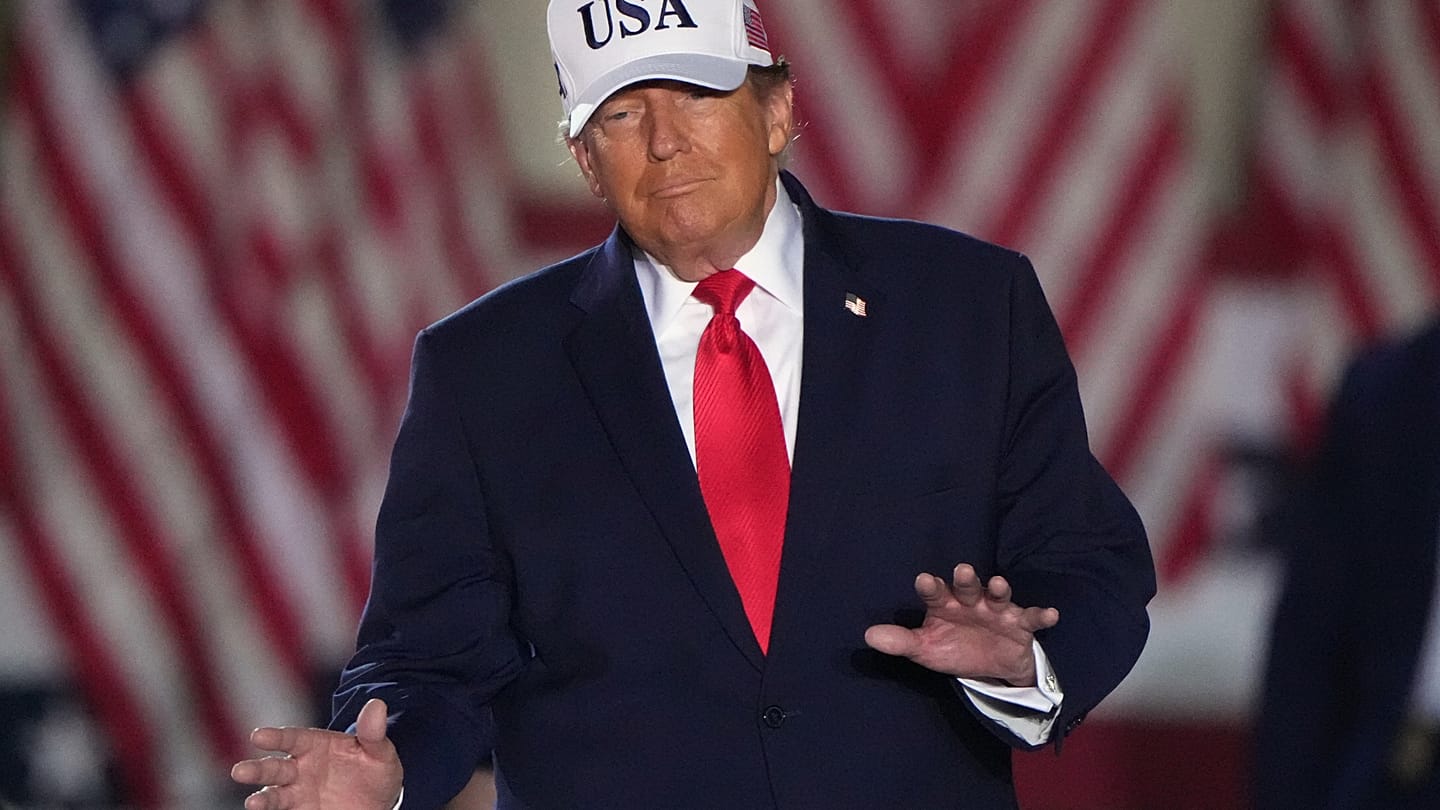
On the news front, both Washington and Tehran issued tough signals in succession on November 12. According to CCTV News, U.S. President Trump said that day that the United States does not need to reach a deal with Iran and that those days are long gone. He also claimed that the United States has already seized control of hundreds of billions of dollars of Iranian funds as well as the Strait of Hormuz.
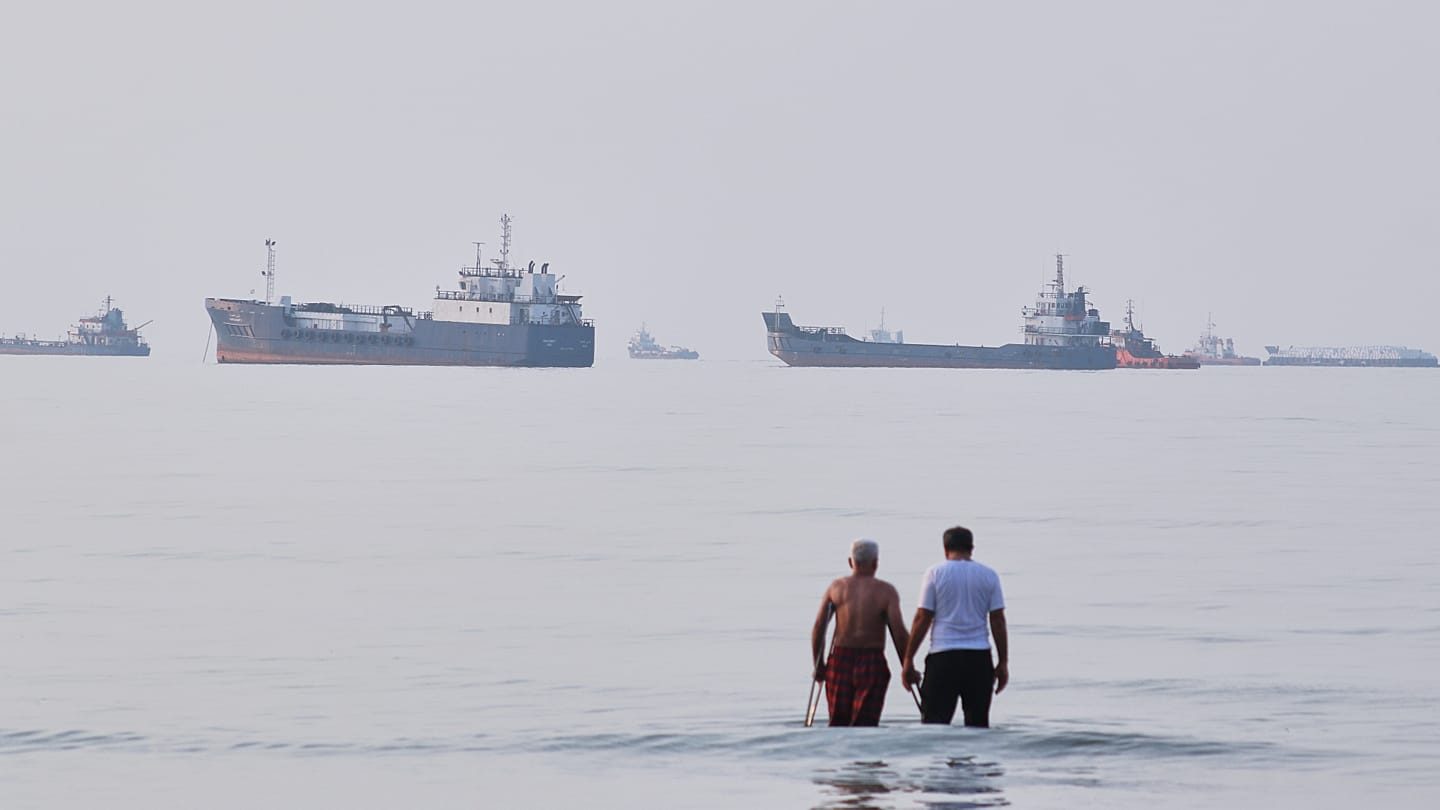
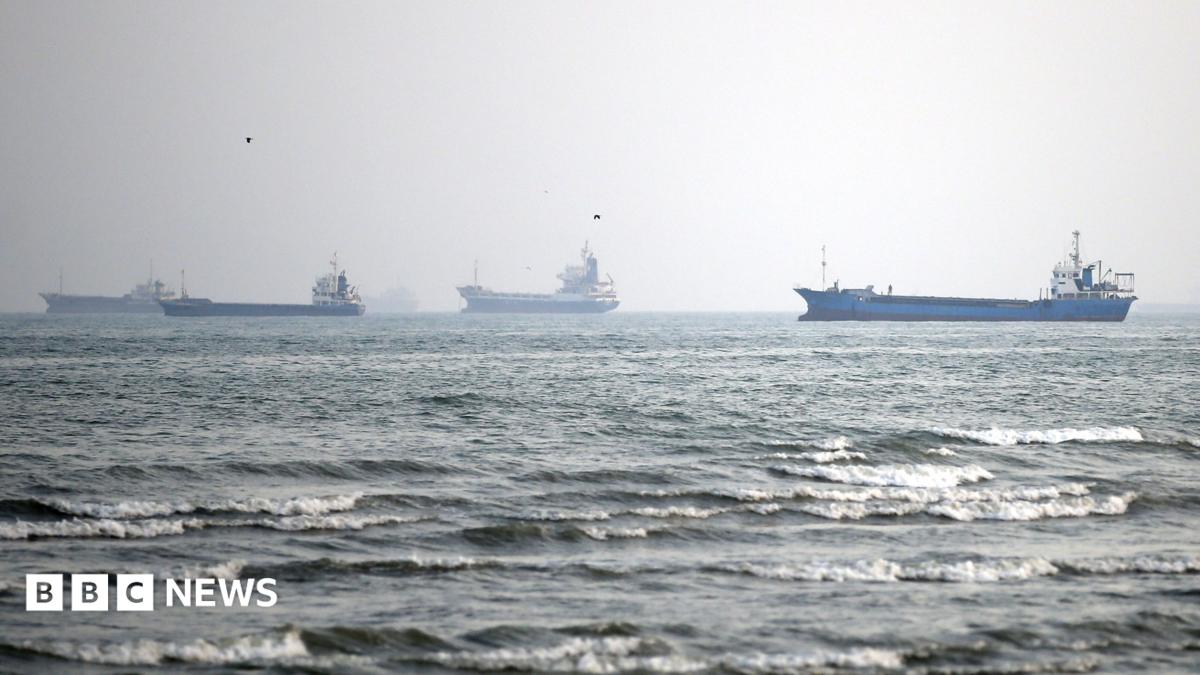
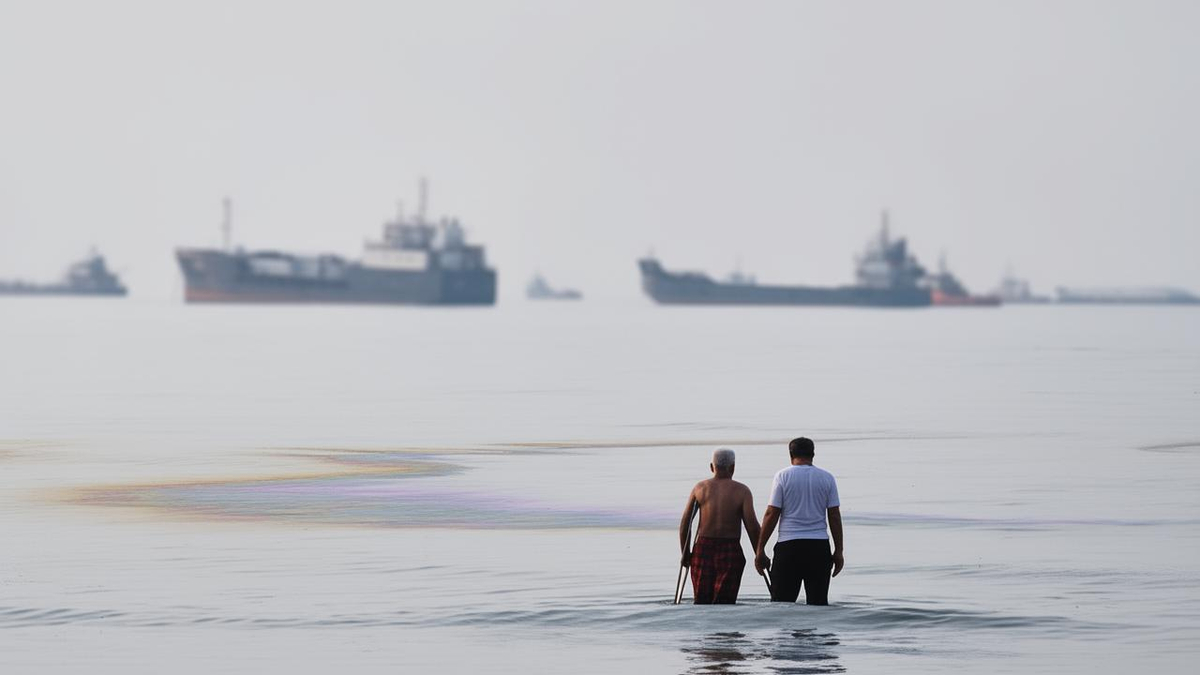
Iran's statements showed no sign of easing either. According to Xinhua News Agency, the public relations department of the navy of Iran's Islamic Revolutionary Guard Corps said in a statement on the 12th that two violating oil tankers exploded and halted navigation in the Strait of Hormuz on the evening of the 11th.
The statement said the IRGC Navy had repeatedly warned that the southern shipping lane of the Strait of Hormuz is "an unauthorized and unsafe route," but the two tankers, carrying a combined total of more than 4 million barrels of crude, still attempted to pass and came to a halt after a violent explosion during the voyage.
The statement also warned that any vessel that shuts off its navigation system in the Persian Gulf and the Strait of Hormuz, cooperates with U.S. forces and attempts to pass through the illegal southern lane "will all meet the same fate in the end."
On the nuclear issue, according to CCTV News, Rezaei, secretary of Iran's Supreme National Security Council, said on November 11 that Iran will never allow any enriched nuclear material to leave the country. He noted that enriched nuclear material has many uses, and that Iran is designing nuclear-powered ships and nuclear-powered submarines and may in the future build small modular reactor power plants.
Rezaei also said Iran will continue to pursue diplomatic efforts and has proposed seven conditions; if the United States meets them, Iran will open the Strait of Hormuz. He said the U.S. side has given some responses, but they are "deceptive," that Iran has not accepted them, and that Washington must give a clear answer on the seven conditions.
Shipping disruptions in the Strait of Hormuz are not the first to affect oil prices. In earlier trading, Brent crude stood at $91.71 a barrel, up 0.2%, while the U.S. benchmark crude stood at $86.12 a barrel, up 0.1%. At that time, market hopes for a de-escalation of the Iran conflict were offset by continuing attacks on vessels in the strait, and investor sentiment remained cautious.
Iran's military said a tanker caught fire after hitting a mine in the strait; Iran's Islamic Revolutionary Guard Corps had earlier said three tankers caught fire in the Strait of Hormuz. U.S.
Central Command, which is responsible for military operations in the region, has been escorting vessels through the strait and says it has helped Gulf countries export 1.5 billion barrels of oil through the Strait of Hormuz since the summer.
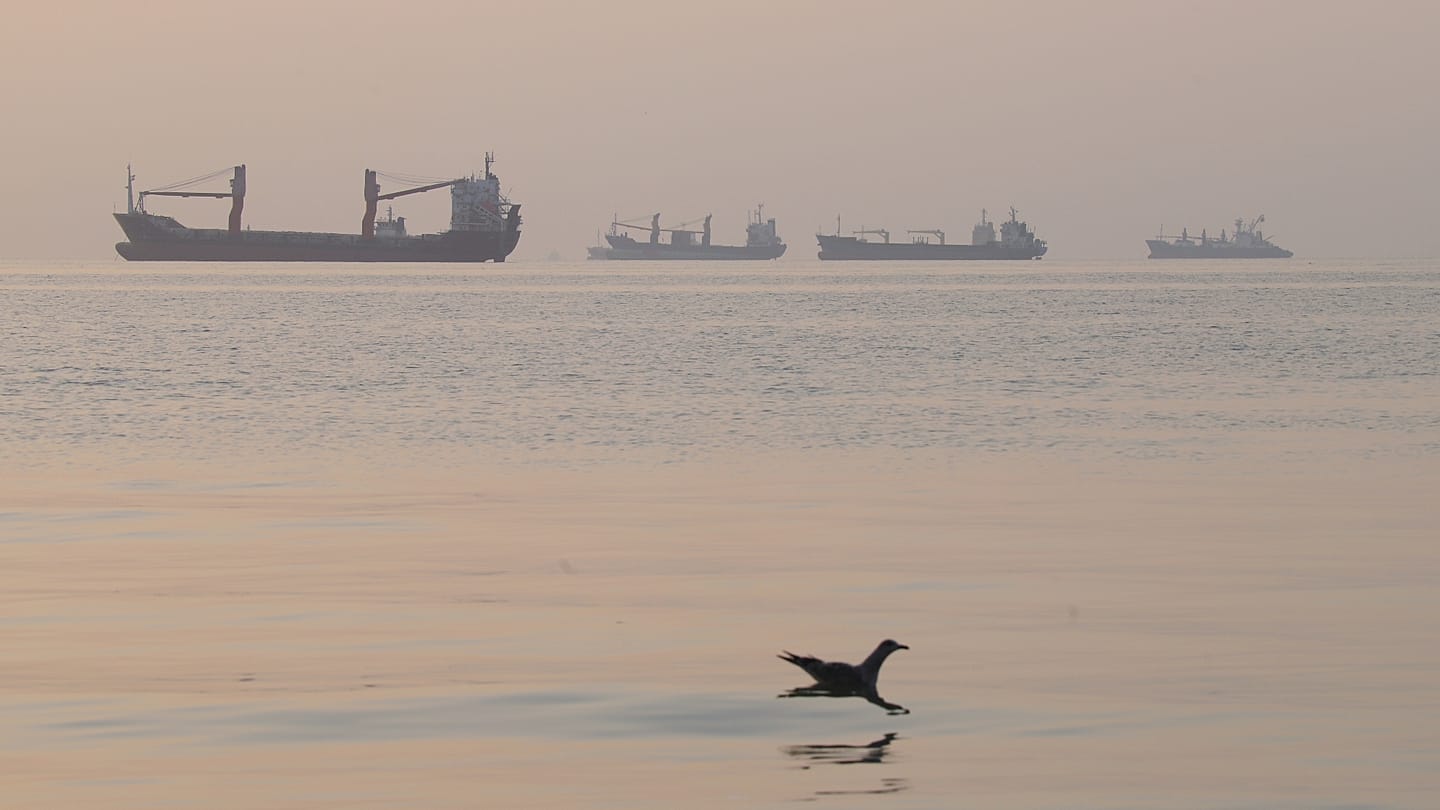
The Strait of Hormuz normally handles about one-fifth of global oil shipments. Since the outbreak of conflict in the Middle East, Tehran has imposed strict restrictions on vessels passing through the strategic waterway, requiring ships to use Iran-authorized routes, while the United States has imposed a naval blockade on Iranian ports and assisted tanker passage.
The contest between the two sides over control of the strait has become the core variable unsettling the international oil market.
On the same day, another disruptive factor emerged in the U.S. stock market. According to a November 12 notice on Nvidia's official website, Nvidia Chief Executive Officer Jensen Huang has resigned. In U.S. premarket trading on November 12, Nvidia shares plunged more than 10%, and popular chip stocks Micron Technology, SanDisk and SK Hynix fell in tandem. The latest data from the U.S.
Department of Labor showed that initial jobless claims last week were 200,000, above the expected 195,000, with the previous reading revised to 191,000 from 189,000; continuing claims were 1.697 million, below the expected 1.71 million.
From a market-impact perspective, the short-term spike in oil prices directly benefits the upstream oil and gas exploration sector, but puts cost pressure on airlines, shipping companies and downstream chemical enterprises. The outlook for navigation through the strait still depends on subsequent U.S.-Iran interactions.
Progress on the response to the seven conditions and whether the tanker attack incidents continue to escalate will be key points to watch for short-term oil price volatility.