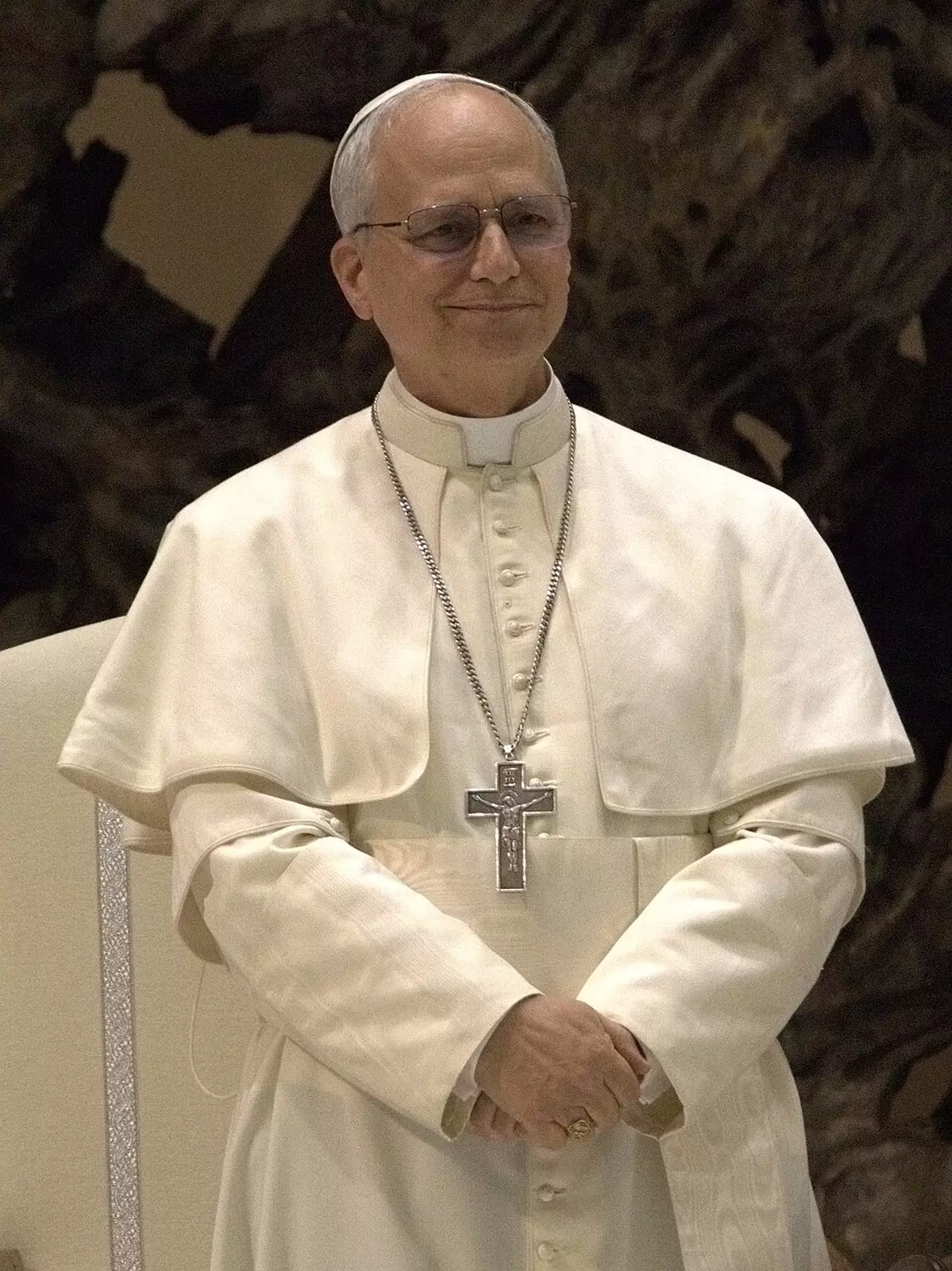
Pope Leo XIV concluded his visit to Peru, where he stayed from November 11 to 16 and travelled to Lima, Callao, Chiclayo, Cajamarca, Santa Cruz de Succhabamba, Zaña, Cusco, and Pucallpa. The visit drew large crowds of Catholic and non-Catholic faithful.
During the visit, he called for peace, social justice, respect and inclusion amid what the article describes as Peru’s persistent political crisis. “Peru has endured difficult times that have tested the coexistence of its people. Past events must be addressed with justice and sensitivity, creating space for harmony to flourish and for differences to be navigated with respect.” (…) “It is unacceptable that, in many communities, the right to access healthcare and education is denied due to physical distance and institutional neglect.”
Leo XIV also called for the protection of the “common home” and support for people defending it. “The cry of the earth and the cry of the poor rise up together, exposing the market-driven and exploitative logics that threaten the very balance of creation. It is impossible to separate the stewardship of the Amazon rainforest from concern for the peoples who inhabit it; integral ecology, social justice, and spiritual life go hand in hand,” he stated.
Robert Prevost, also known as “Father Robert,” spoke of his affection for Peru and the years he spent among its people. “If I were granted the chance to relive those years, I would do so again with joy, embracing both the happy moments and the difficulties. That is why I can say to you, with deep gratitude, that I am, in a sense, returning to my own homeland. (…) For years, I shared the lives of its people, listened to their concerns, and learned from their faith. Many opened the doors of their homes to me, shared their table—and, of course, a good ceviche—and made me feel like one of their own.”
At the end of his visit, Pope Leo XIV called for a genuine democracy rooted in intercultural dialogue. “In a country where so many languages are spoken, listening also requires ensuring that everyone is able to make themselves understood.”