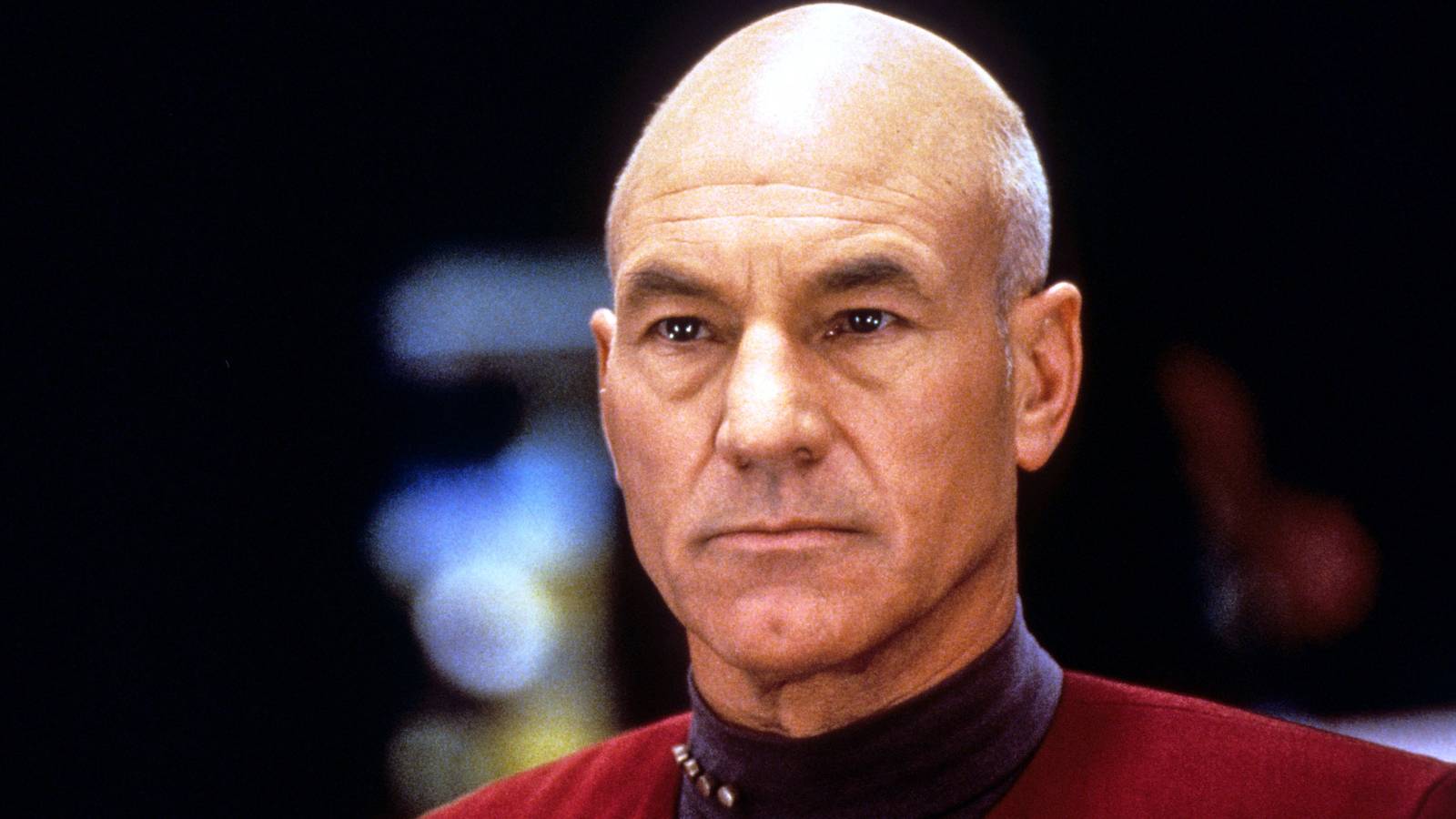
Following the death of Patrick Stewart on Oct. 28, 2026, Star Trek fans turned to the internet to remember what was perhaps his most iconic role: Captain Jean-Luc Picard. It was in his role as Picard that he said one of the most memorable lines in the entire franchise — "Things are only impossible until they’re not" — a quote that can be applied to Star Trek as a whole. Capt.
Picard and his crew showed audiences what the future of space travel and technology could be like, inspiring generations of NASA astronauts and scientists. Now, thanks to a six-part series on Apple TV, Picard's legacy is living on through a new cast of space explorers — and suddenly, things that were once impossible, such as colonizing the moon and Mars, seem a lot more within reach.
For All Mankind, which premiered on Apple TV in 2019, actually shares a direct connection with Star Trek. Ronald D. Moore, prominent writer and producer for the Star Trek franchise, co-created For All Mankind alongside Matt Wolpert and Ben Nedivi. The show has had five seasons, with the sixth and final season due out in 2027, and holds an average critics' score of 91% on Rotten Tomatoes.
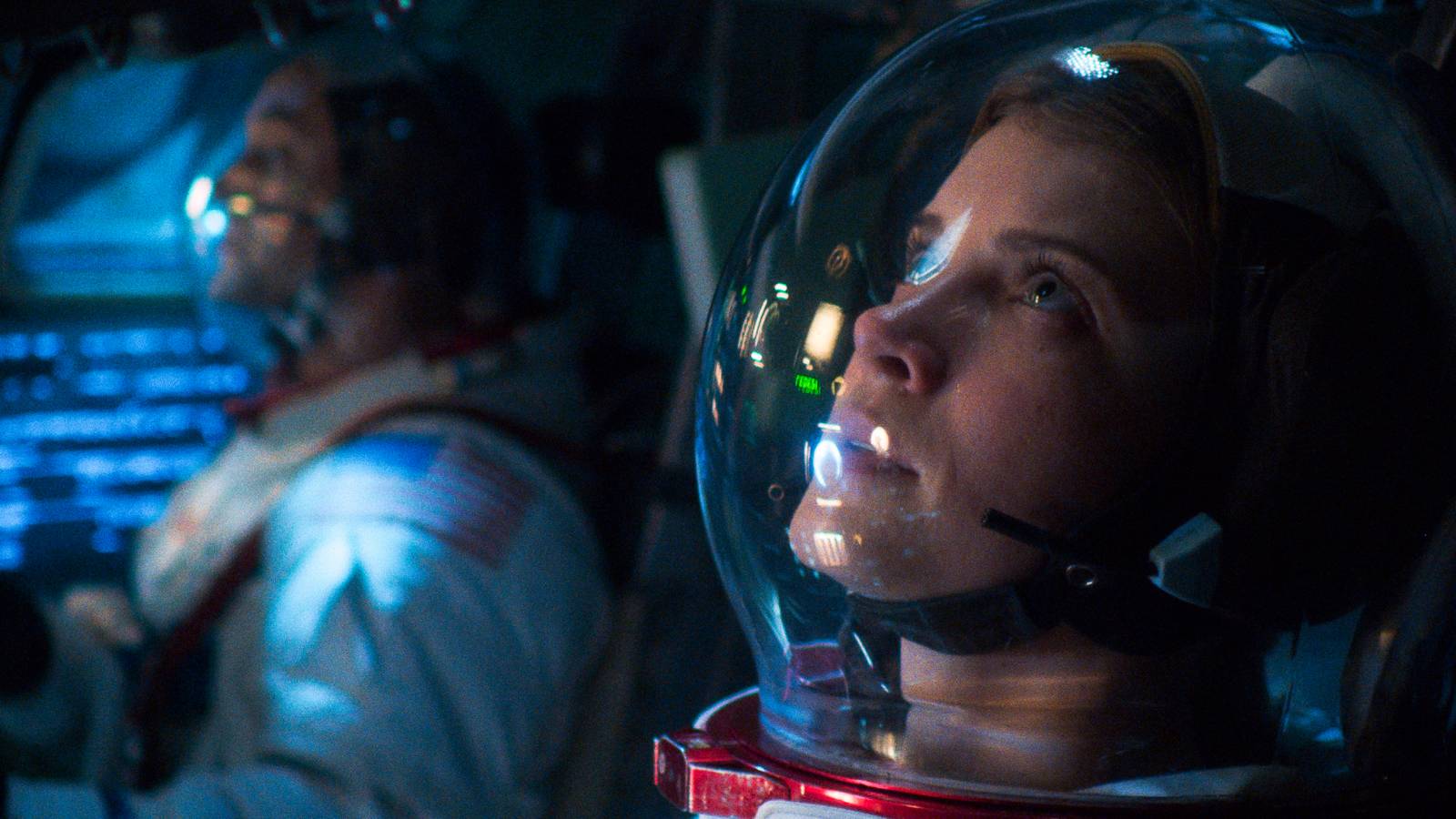
For All Mankind draws people in with the promise of exploring the unknowns of space, much like Star Trek did decades before it. The show opens in 1969 with the first human setting foot on the moon, but instead of American Neil Armstrong, it's Soviet cosmonaut Alexei Leonov who takes that historic first step.
It establishes the show's alternative history timeline and sets up the premise of the first season — a world where the space race between the United States and Soviet Union never ended.
Moore, in an interview with Variety in 2019, explained that changing important moments in history helped ramp up the sense of competition in For All Mankind. “… In the alternate history, we wanted to recapture that feeling where the Americans were constantly banging their heads against the wall about how the Soviets keep beating us at every turn,” Moore told reporters.
"[T]hat motivated a lot of the things in the original space race, and it motivates the show to go further and have a lunar base and going beyond all that.”
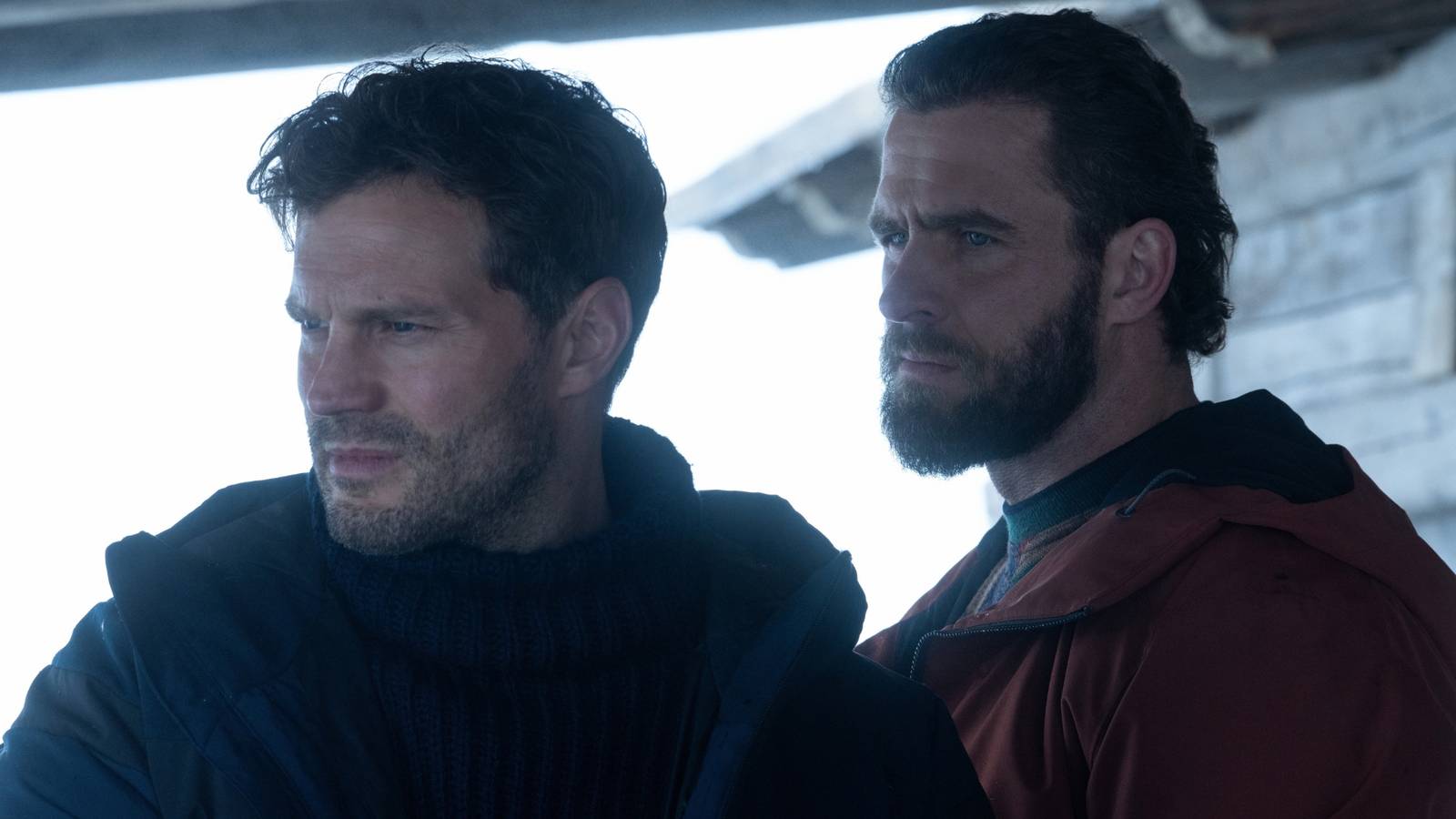
For All Mankind's early seasons feature a core cast of astronauts and scientists, including Edward Baldwin (Joel Kinnaman), Margo Madison (Wrenn Schmidt), Gordo Stevens (Michael Dorman), Tracy Stevens (Sarah Jones), Danielle Poole (Krys Marshall), and Molly Cobb (Sonya Walger). Together, those characters help lead NASA's early space advancements, like landing on the moon and later, establishing a lunar base.
Decades pass between each season of For All Mankind and, as the series progresses, so too do the advancements in science and technology. The people who helped make many of those advancements possible age, retire, and sometimes die, and future generations — some of them children and grandchildren of the original space crew members — step up to push humanity's boundaries in space even further.
By the fifth and most recent season, Mars has been fully colonized, making life and work on the Red Planet commonplace.
Connections between For All Mankind and Star Trek go beyond just sharing a creative lead. Moore went on the record during a 2023 interview with Collider to say that, thematically, For All Mankind serves as the unofficial Star Trek prequel. "How do you get to the optimistic kind of world that Star Trek lives in, that kind of future?" Moore said. "Star Trek had posited this amazing…