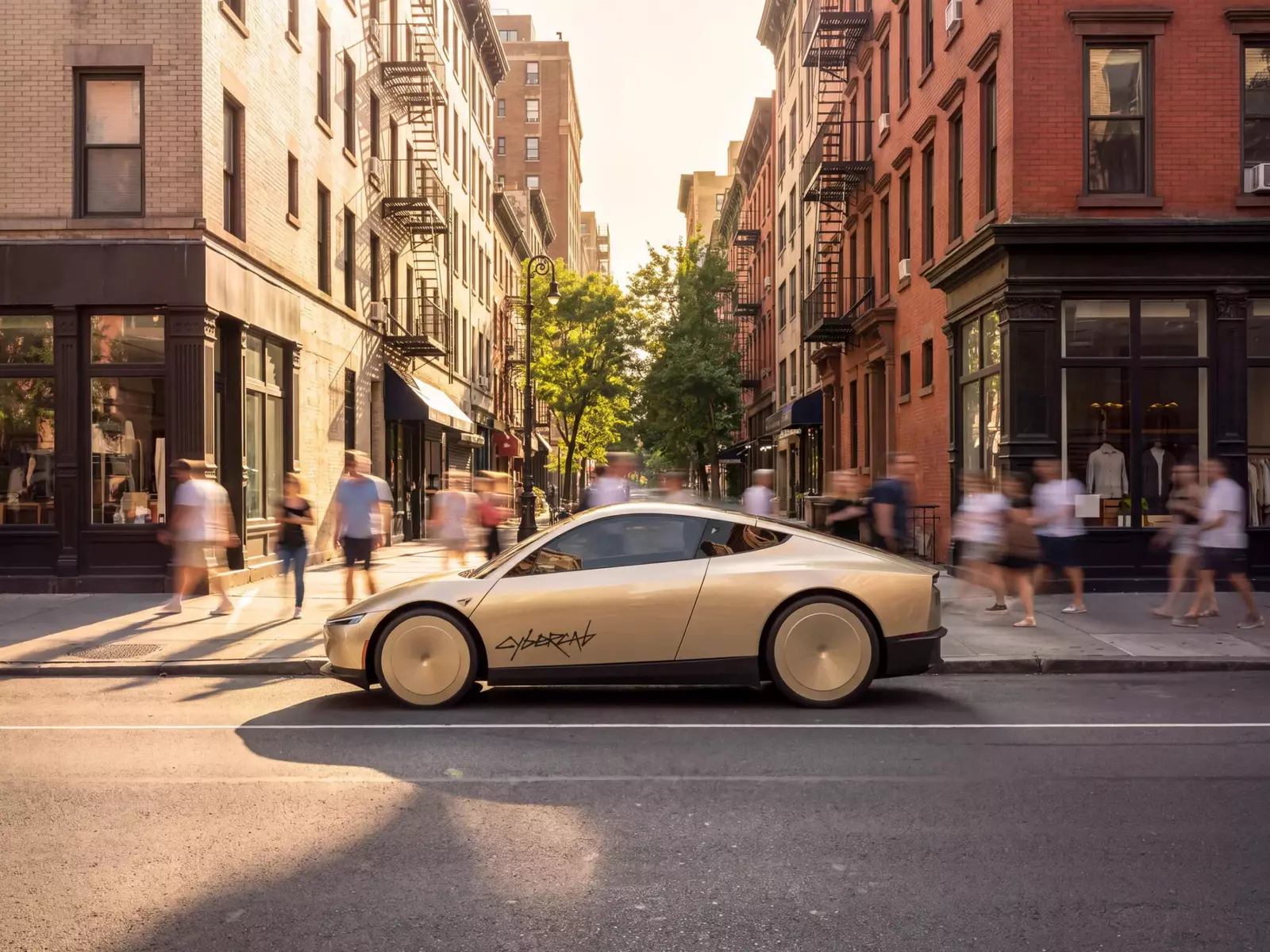
Tesla says select customers can buy its two-seat Cybercab for $29,900, with delivery expected in December. But the vehicle will not operate without an autonomy subscription starting at $299 a month, according to documents posted on Tesla’s website.
The gold Cybercab has no steering wheel or brake pedals and is primarily driven by software. Tesla’s limited release is expected to offer an unclear number of customers the chance to buy one.
The autonomy agreement says the car will not work if owners fail to pay the subscription in full and on time, drive outside areas where the service is supported, or lose connectivity. The service is currently restricted to portions of cities in Florida and Texas, though the coverage area can expand, contract, or “relocate” at any time.
Tesla also says it can suspend or cancel a subscription over conduct it deems “unauthorized or inappropriate.” The company reserves the right to suspend or terminate access to Cybercab technology for safety or security purposes, or restrict operations by location, road type, weather, or “condition.” The vehicle is under investigation by US safety regulators, who are examining why Tesla believes it meets safety standards without some of the required parts and systems.
Tesla did not respond to a request for comment. The subscription fee does not include insurance. It does include services such as remote support, roadside assistance, tire, air filter, and windshield wiper replacements, and tire and camera inspections. Tesla says the list of services may change.
Cybercabs are for personal use only under the current ownership agreement. Although CEO Elon Musk has repeatedly said owners could put the vehicles on Tesla’s Robotaxi network to earn money during downtime, the agreement prohibits that. It also bars buyers from selling or transferring their vehicles without Tesla’s written consent.
The company “advises against” children under 13 riding in the Cybercab and prohibits children from riding without an adult present. Tesla says the vehicles can “travel autonomously, unoccupied to a Tesla service center.”
Tesla has offered connectivity and driver-assistance features for monthly or one-time fees for a decade. Other automakers also charge subscriptions for vehicle features. General Motors said it generated $2.7 billion in subscription-related revenue last year from OnStar and Super Cruise fees.
Some customers have objected to paying extra for features already built into their cars. BMW faced public outcry in 2022 after telling drivers in select countries it would activate factory-installed heated seats for a monthly or one-time fee; the company later pledged not to charge subscription fees for preinstalled hardware, while continuing to pursue subscriptions for some features.
In a post on X, Musk said the monthly price for autonomy “is too high” and should be “more like ~$115/month.”