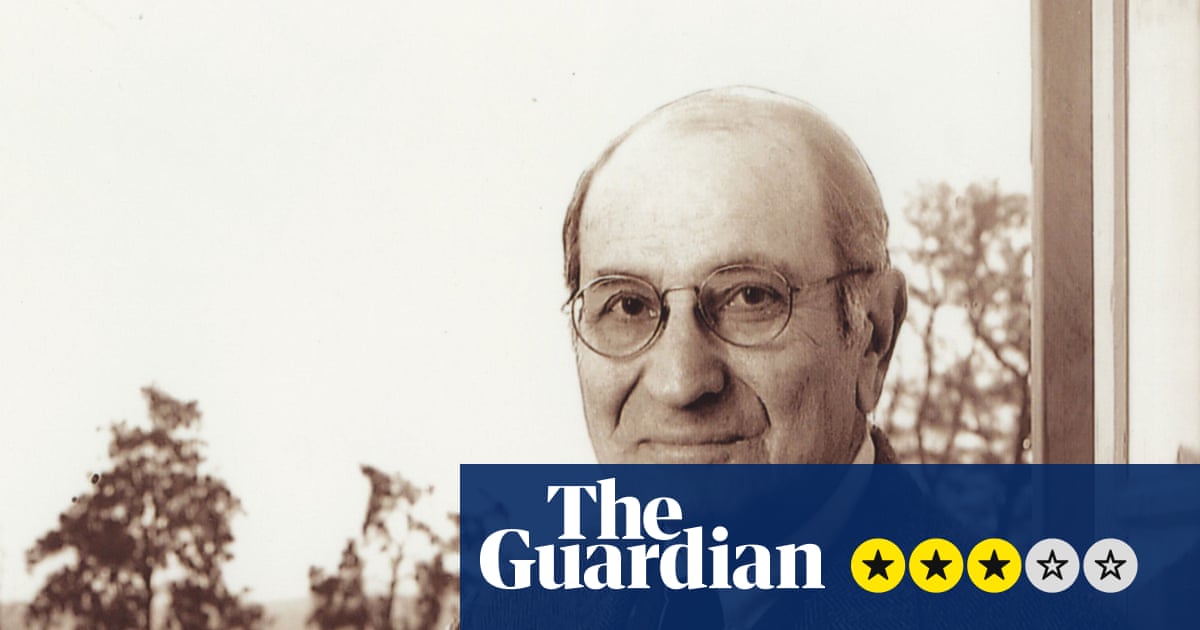
Katharina Otto-Bernstein’s documentary The Last Spy tells the story of Peter Sichel, a German refugee who became a Cold War-era intelligence officer and later helped make Blue Nun a widely known wine. Sichel, nicknamed “the Jewish James Bond” by a woman from his synagogue, was 100 when the film was made. He died last year at 102.
In a long interview, Sichel recalls growing up in Germany, where his family was initially privileged by his great-grandfather’s wine business. His mother, alarmed by Hitler’s rise, moved the family to France. During the war, they were interned as “enemy aliens”; later, as the German army advanced, they fled, hiding near the Pyrenees before escaping to New York in 1941.
After joining the US army, Sichel’s German-language skills made him useful to the Office of Strategic Services, a precursor to the CIA. After the war, he was asked to lead its Berlin outpost. The film says his intelligence that the Russians were no longer “friendly” helped contribute significantly to the outbreak of the cold war. Sichel later came to believe that Russia did not intend to expand into the rest of Europe. Asked by Otto-Bernstein, “why was there even a cold war?”, he replies: “Good question.”
The documentary also examines Sichel’s complicated views on anti-communism and US foreign policy. In archive footage, he says it was easy to move from opposing fascism to opposing communism because both were forms of totalitarianism; he also implies he did not mind working with Nazis to advance that aim. Later, he considered US dominance a greater evil in some parts of the world, describing American intervention in Iran and Guatemala as “incredibly misguided at best”.
Sichel shares some anecdotes, including heavy drinking and wife-swapping during a posting in Hong Kong, and explains that he recruited spies through newspaper advertisements. But he says little about the operations he and his agents carried out. His daughter Sylvia says she once asked whether he had killed anyone, but she remains none the wiser.
The review describes the film as a history lesson rather than a spy caper, with talking heads supplying geopolitical context. Sichel appears upbeat, practical and guided by a moral compass, the review says. He left the CIA at 37 because he believed the organisation was repeatedly sending undercover agents to their deaths.
After leaving the CIA, Sichel returned to the family business and helped make Blue Nun one of the world’s most ubiquitous wines, partly through an advertising campaign that claimed it could be paired with any food. The review calls The Last Spy “sedate and slightly disjointed” and says that an extraordinary life does not automatically make a jaw-dropping documentary.