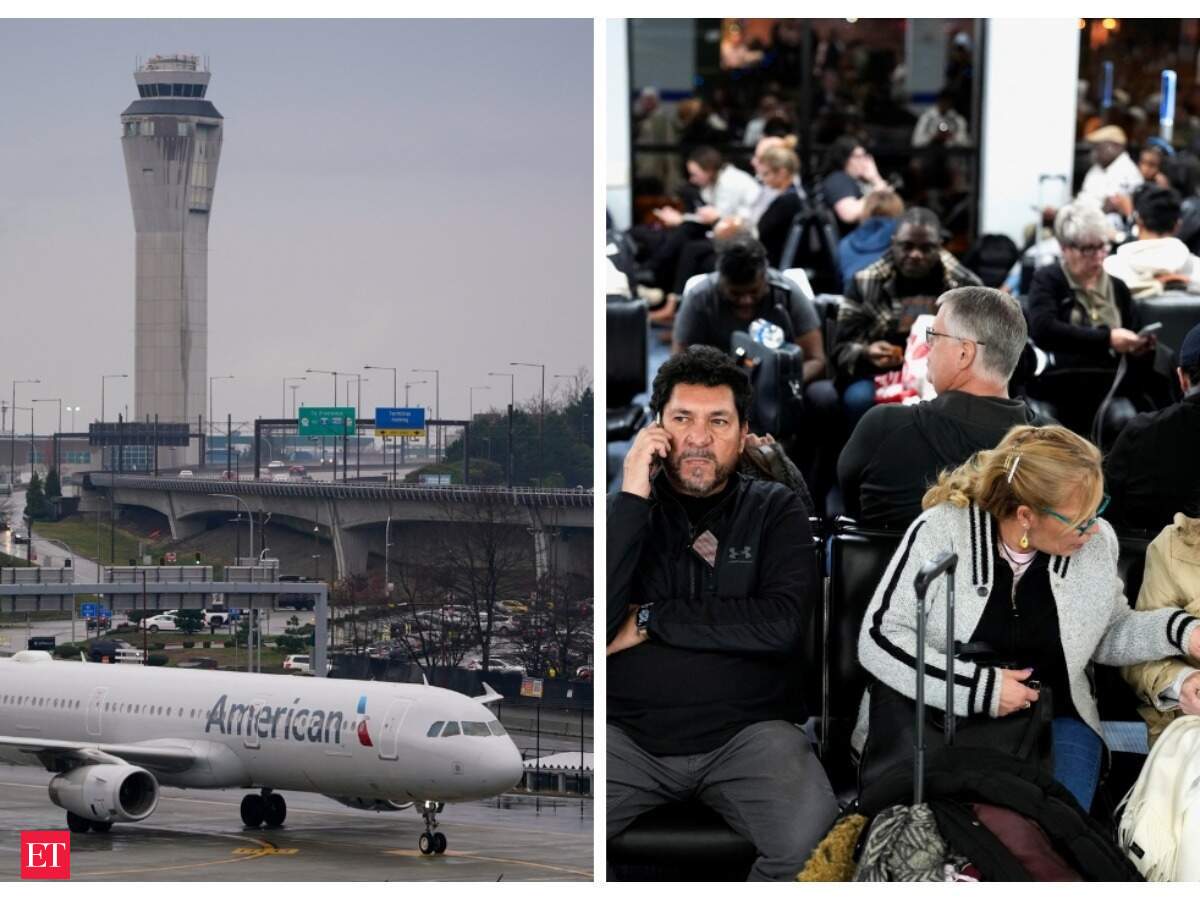
FAA ground stop hotel reimbursement: Passengers whose flights were cancelled during the FAA’s nationwide ground stop are entitled to a full cash refund if they decide not to travel. Airlines must return the money, even for non-refundable tickets. Hotel rooms, meals and transport are a different matter.
The FAA ordered the ground stop, so airlines are generally not required to cover those expenses.Thousands of travellers were left stranded at US airports. Departure boards showed cancellations and delays. Airline counters faced long queues. Many passengers had little information about when they could reach their destinations. The refund rules offer one important protection.
Passengers do not have to lose the money they paid for a flight that the airline cancelled.FAA flight cancellations: Why passengers are entitled to a full refundThe reason behind a cancellation does not remove a passenger’s right to a refund.
Under US Department of Transportation rules, an airline must provide a full refund when it cancels a flight and the passenger chooses not to travel or accept an alternative.The same protection applies to non-refundable tickets. Basic economy passengers are covered too. The airline cancelled the flight, not the customer.
The fare label does not change that responsibility.Passengers can also request a refund after a significant delay. The threshold is three hours or more for a domestic flight and six hours or more for an international flight. The passenger must decide not to take the delayed flight.The refund is not limited to the base ticket price.
It includes taxes and fees, checked baggage charges and other services paid for but not received. Seat selection and in-flight Wi-Fi charges can also qualify.Airline refund rulesAccepting a replacement flight means choosing to travel instead of taking a refund. The same applies when a passenger boards and takes the delayed flight.That choice can close the option of receiving a cash refund for the cancelled journey.
Passengers who want their money back should not accept a rebooking before deciding what they want.Airlines may also offer travel vouchers or future flight credits. These are not cash refunds.
Passengers seeking their original payment should decline the offer and clearly request a refund to the card or account used for the booking.A request should state that the passenger does not want an alternative flight and wants a refund to the original form of payment.
It can be submitted through the airline’s website, mobile app or customer service phone line.DOT refund deadline: When should airlines return your money?The DOT has set deadlines for airlines to issue refunds. Payments made by credit card must be refunded within seven business days. Payments made by cash or cheque must be returned within 20 days.Weekends do not count as business days.
A request submitted on Friday evening may therefore take longer than seven calendar days to reach the passenger.Keep a record of the refund request. Save confirmation emails, screenshots and any reference number provided by the airline.
These records can help if the airline refuses a valid refund or fails to meet the deadline.Passengers can file a complaint through the DOT’s air consumer complaint page at transportation.gov/airconsumer.FAA ground stop hotel reimbursementA cash refund does not mean an airline must pay for every expense caused by the disruption.Airlines generally provide hotel accommodation, meals and ground transport when a
cancellation or delay results from something within their control.
Maintenance failures and crew scheduling problems are common examples.An FAA-ordered ground stop falls outside that category. It is treated as a disruption beyond the airline’s control. Airlines are therefore generally not legally required to provide hotel rooms, meal vouchers or transport in this situation.Passengers can still ask for help at the airline’s customer service desk or departure gate.
Some airlines may offer accommodation or meal vouchers as a goodwill gesture during major disruptions. There is no guarantee.Travellers may have to pay for their own hotel, food and transport. Keep receipts for any expenses. Check the airline’s disruption policy and any travel insurance coverage before assuming those costs will be reimbursed.