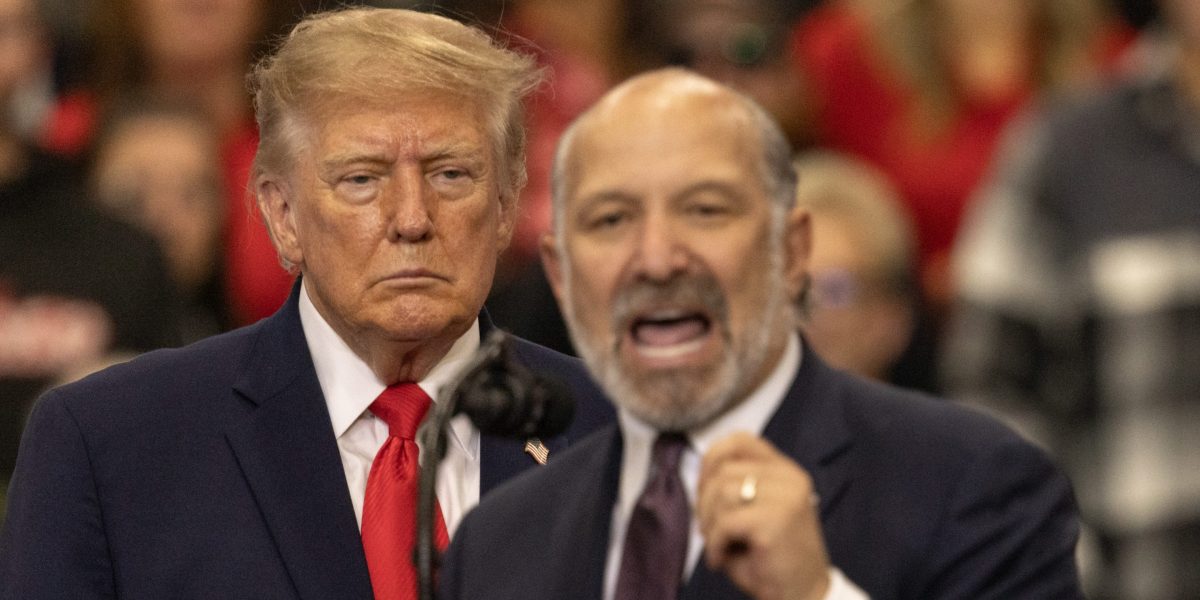
When questioning the motives of certain public leaders, the Roman orator Cicero was said to have used as a shorthand, “cui bono?” meaning, whose interests come first? That line rings true as Secretary of Commerce Howard Lutnick falls under rapidly escalating bipartisan scrutiny over his role in the flow of Nvidia chips into China.
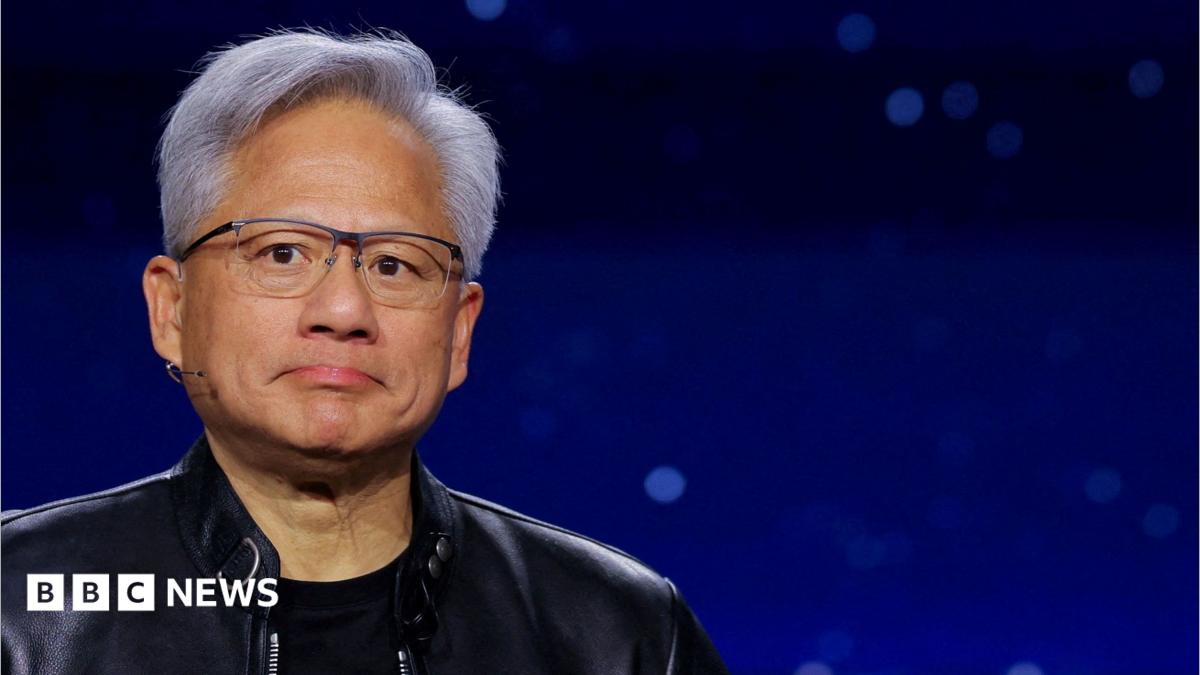
Nvidia founder and CEO Jensen Huang resigned Thursday after reports of affairs with a direct report and with Alice Huang, a suspected Chinese spy, yet the national security questions he leaves behind keep growing amidst escalating congressional investigations.
Megaspeed, the Nvidia customer where Alice Huang was an executive, was suspected of funneling advanced chips to China for years, yet the U.S. government took little action. Many are now asking: Who knew what, and when? And why is this surfacing only now?
We have already described Nvidia directors’ exposure to shareholder lawsuits over their own failures of oversight. Now the scrutiny is shifting to Washington. How did the U.S. government look past so grave a threat to national security for so long, and let these sales go on?
As the reporting accumulates, all roads lead to one person, who by multiple accounts blocked action over the objections of fellow cabinet members and leading voices in both parties in Congress: Commerce Secretary Howard Lutnick. He is now squarely on the hot seat, and it grows hotter by the day as more information comes to light.
Megaspeed has long been a major target of U.S. government focus amidst pervasive allegations that the Singapore-based data center company helped Chinese firms evade U.S. export controls on sensitive Nvidia chips.
The Department of Commerce’s own agents began investigating Megaspeed, the Singapore firm that bought billions of dollars of Nvidia chips and is suspected of diverting them to China, in 2024, under the Biden Administration.
After the change of administration but amidst the ongoing probe, The New York Times reported that in 2025, Nvidia’s general counsel emailed those agents directly, citing permission from Lutnick’s export-control chief, Jeffrey Kessler, with Commerce soon pausing its work on the investigation.
That sparked many concerns even within the GOP, with respected Senate Intelligence Committee Chair Tom Cotton writing to Lutnick directly, urging Commerce to investigate Megaspeed more carefully.
Still, Megaspeed never landed on the entity list, the blacklist kept by the Department of Commerce that cuts suspect firms off from American technology; even though other agencies repeatedly agreed on proposing to add Megaspeed to the list, with the Financial Times reporting that the State Department, Treasury Department, Energy Department and the Pentagon were pushing particularly aggressively to add Megaspeed to
the entity list.
Despite these entreaties, Lutnick’s Commerce Department was unmoved, steadfastly refusing to add a single company to the entity list for more than a year.
Then came the memo. This spring, the New York Times reports, Secretary of State Marco Rubio oversaw the drafting of a highly classified assessment built on electronic surveillance of Alice Huang. Its conclusion was as stark as can be: China’s Ministry of State Security had recruited her to gather intelligence on Jensen Huang and on America’s AI chips, and she had grown close to the Nvidia CEO.
U.S. officials assessed that Beijing’s aims may have gone further, to steering Nvidia into pressing Washington for greater Chinese access to its most advanced chips.
The memo went to a handful of senior officials before President Trump’s May trip to China, with Axios reporting that Lutnick was among those who received the memo directly. Perhaps not coincidentally, Jensen Huang was originally left off the delegation of business leaders traveling to China with Trump, before being added at the very last possible minute during an Alaska refueling stop.
That same month, Reuters reported that Commerce had cleared about 10 Chinese companies to buy H200s.
Perhaps even more alarmingly, but less widely known than the existence of the memo; Axios also reports that President Trump approved a crackdown on chip diversion to China no less than three times, in May, in August, and on Nov. 5, with even Elon Musk supportive, and that Lutnick and his deputies had resisted carrying out each order.
As Maria Curi and Marc Caputo of Axios reported pithily, “One administration official has repeatedly stood in the way: Commerce Secretary Howard Lutnick,” noting that virtually every other Administration official was supportive of these crackdowns.
Just last week, after news of the Jensen Huang spy scandal broke, Axios reported that Bessent confronted Lutnick about why his department has resisted implementing the export controls, particularly on Megaspeed, the company at the center of the spy scandal, with virtually all other Admin officials siding with Bessent; yet Lutnick apparently continued to stall.
Already, there has been speculation that the leaks over the last week that felled Huang came from sources within the Trump Administration, perhaps from within the National Security Council, who were frustrated at Lutnick pushing what they perceived to be pro-China policies, with many remarking about the suspicious timing of these leaks right after midterm elections, even though the original memo was circulated in May
this year, six months ago.
What makes this scrutiny so hot is who is turning up the…