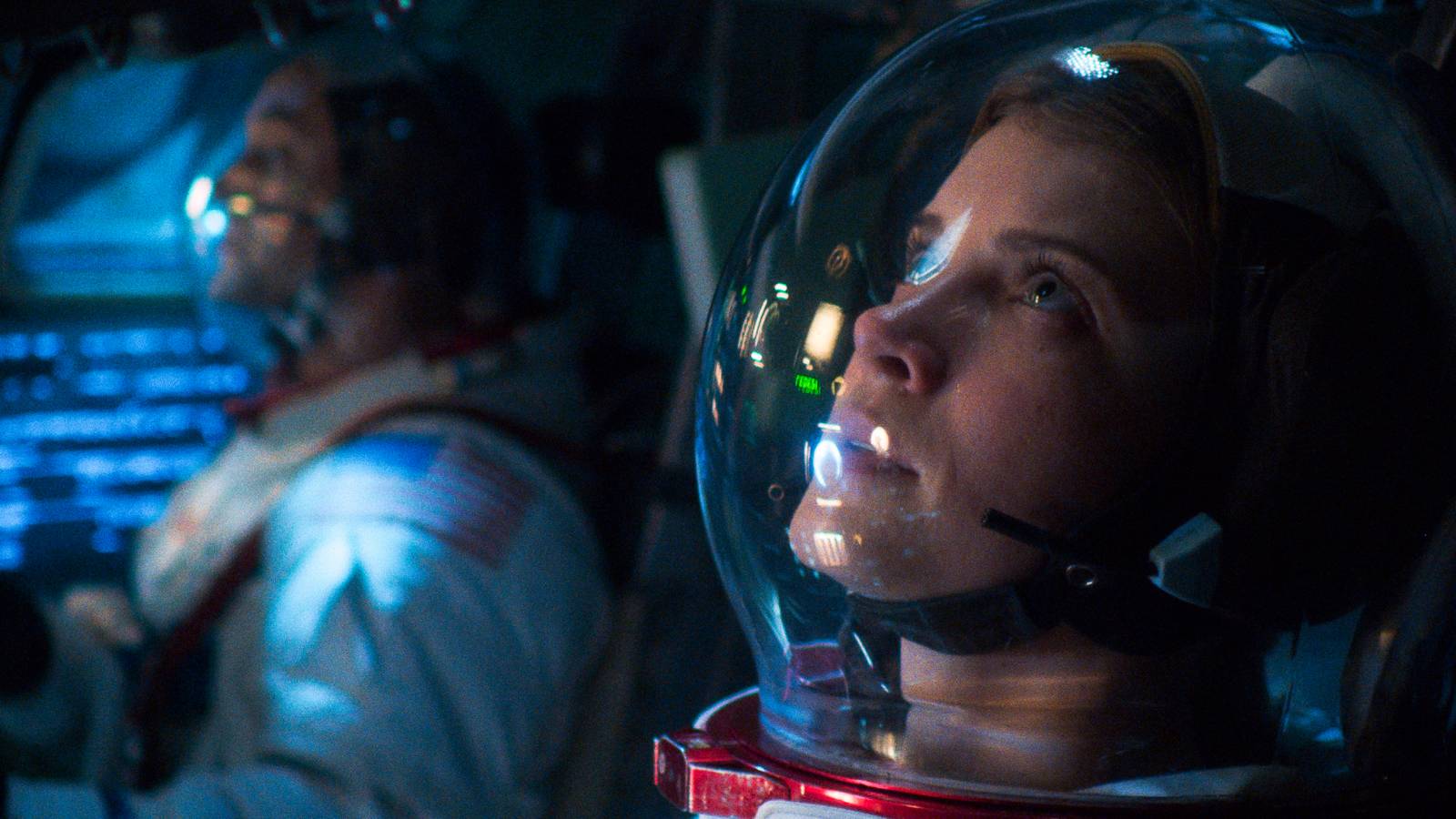
Apple TV launched in 2019, and with it came the premiere of a severely underrated sci-fi show that's still running today. The series quickly made it clear that it would be adopting an unconventional storytelling approach, but one that has gradually sidestepped one of the biggest restraints of making TV shows in the streaming era.
Despite the fact that there is more TV than ever before, and that it would take a lifetime to even make a dent in watching it all, there's also an underlying sense of hollowness in countless modern small-screen projects. This is because the seasons tend to be significantly shorter than when network TV was the most prolific vehicle.
Now, rather than the 20+ episodes a season that used to make up a season of network TV, streaming shows tend to clock in around 10 episodes per run, sometimes even less than that. While they've also become more visually impressive and movie-like, the trade-off has robbed us of a valuable trait of some of the best TV shows of yesteryear: the sheer amount of time spent with the characters.
For All Mankind has found a clever solution to this unfortunate shift.
On paper, For All Mankind should suffer from the same problem that many of its peers struggle with. Because screen time is so limited compared to the classic TV model of 20+ episodes per season, the writers have to get creative when making the viewers care deeply about the characters involved.
In things like Star Trek and the classic-era spinoffs, this was often achieved by proxy by just telling so many stories involving the protagonists. For instance, Patrick Stewart racked up 25 appearances as Captain Jean-Luc Picard in The Next Generation season 1 alone. Some modern TV characters can't physically reach that tally until midway through season 3 at the earliest.
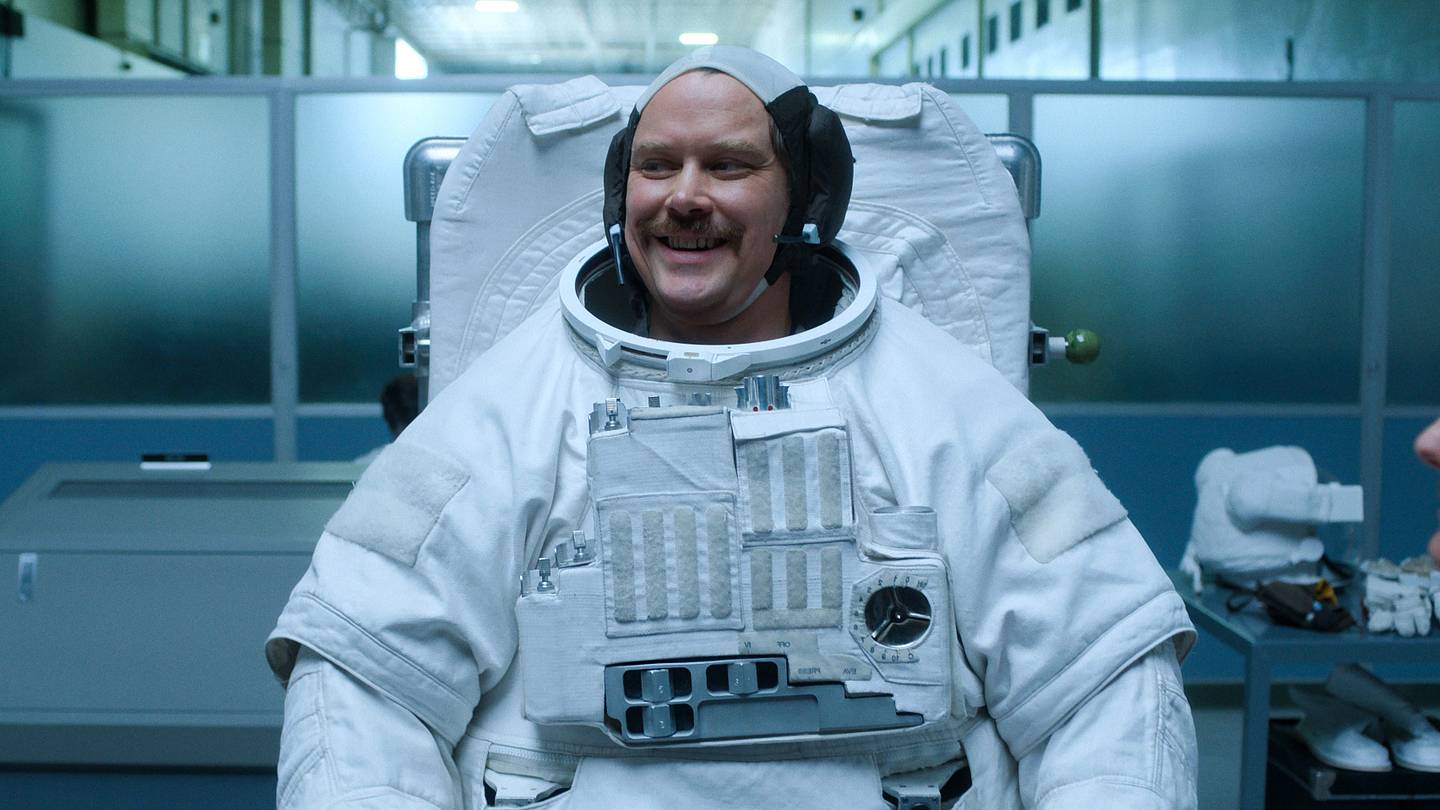
Furthermore, there are often multi-year gaps between seasons of streaming shows where the only way to spend more time with the characters is to watch the existing episodes again. That rarely teaches us anything new about them. For All Mankind has experienced all of this, and yet characters like Ed Baldwin (Joel Kinnaman) still feel impressively fleshed out and familiar.
The biggest reason for this is the vast time jumps that take place between seasons. For All Mankind routinely jumps around 10 years into the future so that the alternative timeline brought on by the Soviets winning the race to the Moon in 1969 can be more thoroughly explored. One of the best side effects of that is that we steadily witness decades of a character's life as they move through the story.
As a result, when they experience a major milestone, whether positive or otherwise, it hits extra hard. For All Mankind's characters feel like we've known them for much longer than we have, and that massively enriches the experience. In many ways, it's a more effective formula than the old-style 20+ episode runs that sci-fi and other genres used to be handed so frequently.
The downside to this creative solution is that it can't be applied to every streaming-era show. Things like Severance would be hurt if the timeline was constantly hurtling forward and moving into other periods. For All Mankind is special in this way, so much so that even the Star City spinoff can't replicate the blueprint. There is another Apple TV sci-fi series that has come close, though.
Apple TV's live-action adaptation of Isaac Asimov's Foundation book series began in 2021, but in-universe, it's been centuries since the season…