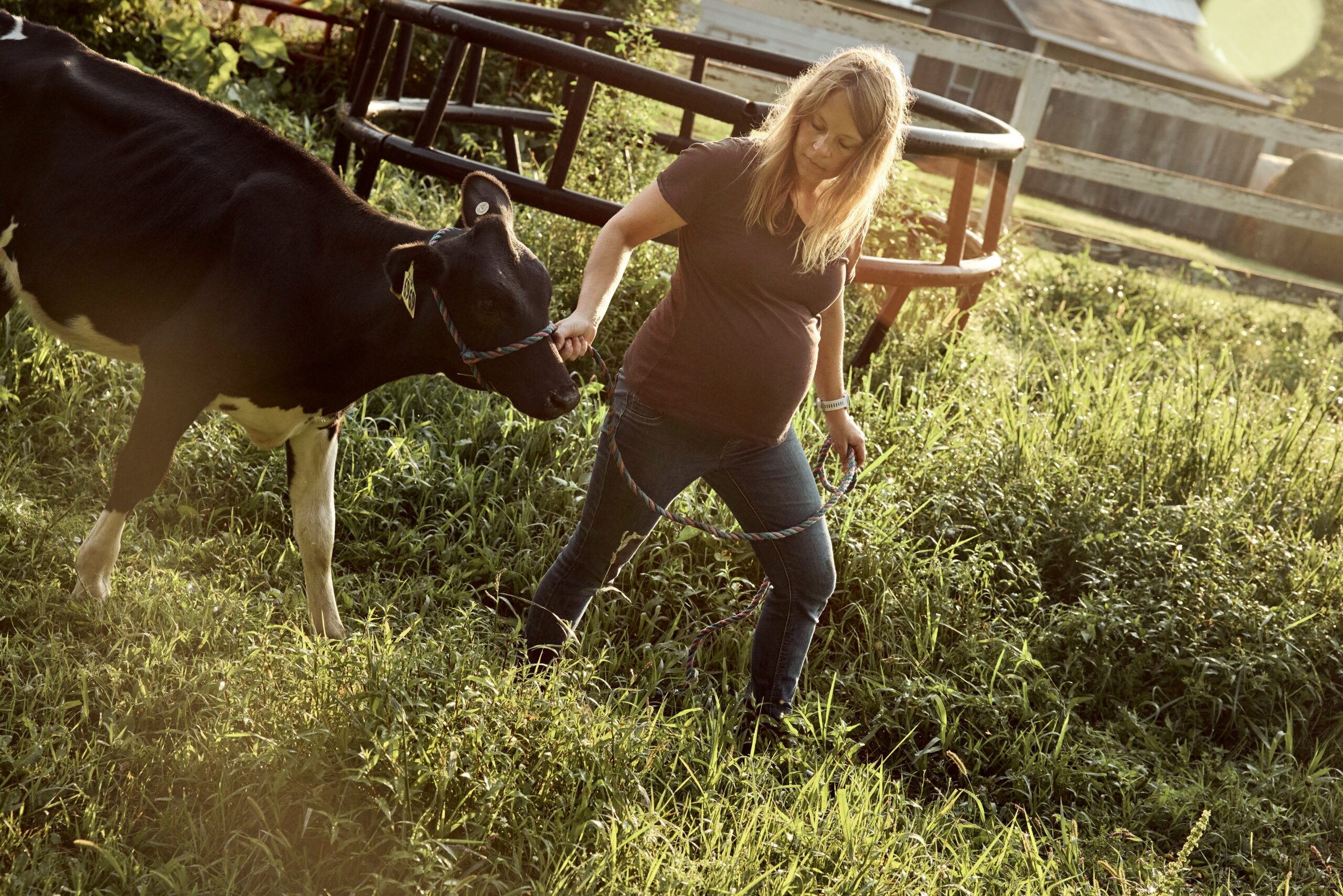
Women run around a third of EU farms. Yet some still need their husband’s signature to get a bank loan, and only two member states offer them the extra support EU farm policy allows. Female farmers told lawmakers the next farm policy has to do better.
Female farmers and business owners took their case to the European Parliament on 4 November. At a hearing on women’s leadership in the Committee on Agriculture and Rural Development, held as part of Parliament’s annual Gender Equality Week, they described the barriers they face, from access to land and loans to childcare and pension rights.
The European Commission admitted that few member states have acted on them so far.
Gender equality is already an objective of the current Common Agricultural Policy (CAP). Yet only Ireland and Spain have introduced the targeted support measures discussed at the hearing. The findings have renewed calls for stronger commitments under the next CAP, which will shape EU agricultural funding from 2028 to 2034.
Women manage around one third of EU farms, according to figures presented by Gijs Schilthuis, director for sustainability at the Commission’s Directorate-General for Agriculture and Rural Development. But targeted financial support remains limited. Ireland and Spain offer higher investment aid for women or extra support for young female farmers under the current CAP.
Other countries may offer support through different programmes, but the figures show how unevenly member states have introduced specific measures.
Irish entrepreneur Ursula Kelly urged EU lawmakers to change that. She runs Cormac Tagging, a livestock identification business that grew out of a diversification project on her family farm. Ms Kelly said the barriers facing women are already well known. “We need access to finance, networks, training, childcare,” she told the committee.
Ms Kelly called for dedicated funding for women-led farms that diversify their products or start rural business ventures. She said this would help families raise their household incomes and encourage young people to choose rural life.
German farmer Maria Voglrieder, who runs a family farm in Bavaria, described the challenges of combining agricultural work, business management, and raising four children. Ms Voglrieder said the main obstacles facing women are obtaining credit and having their legal rights as farmers recognised.
She also described how hard it is to negotiate with banks. They often require a husband’s consent before a woman can sign financial agreements.
Beyond the hurdles to owning a farm business, women employed by their families face another risk. If they fall ill or divorce, they are likely to lose their pension entitlements and any financial security.
For women managing farms and raising families, childcare can be as important as access to land. Ms Voglrieder told lawmakers that she returned to work in the stables just two days after giving birth. Following a difficult fourth birth, she said she had a relief worker to cover for her for only three days.
Local childcare opening hours do not match the demands of running a farm, she added. These problems can force women to turn down business opportunities or depend on relatives for help.
Lauren Phillips, director of partnerships and UN collaboration at the UN Food and Agriculture Organization, said access to childcare, maternity protection, and pensions was essential for women’s opportunities in agriculture. She cited international…