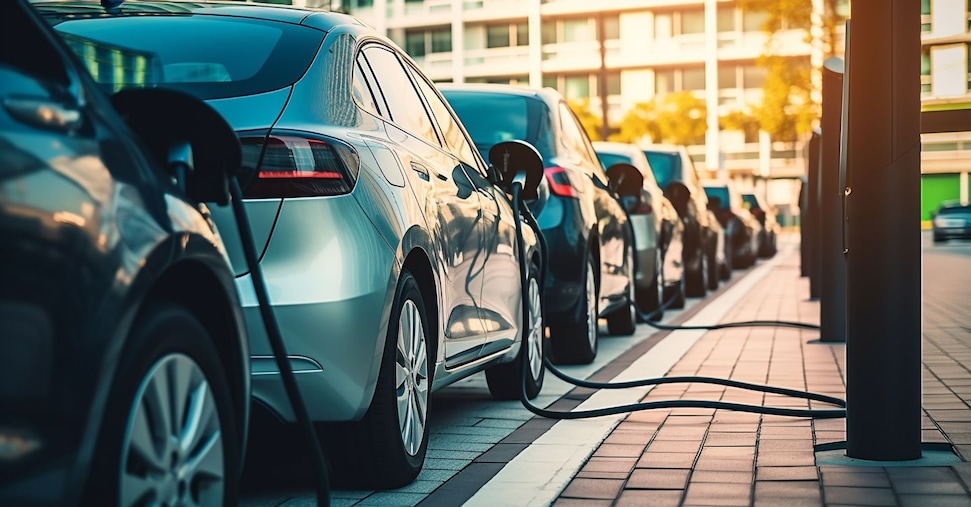
ELECTRIC cars are significantly ahead of battery-powered vans for maximum range while offering lower electricity costs per mile, according to analysis by data technology specialists Vehicle Data Global.
Battery cars now offer around 50% more range on a single charge, while using 31% less electricity per mile, than e-vans.
And maximum charging power for van batteries is also lower than that for cars, meaning that they cannot take advantage of the fastest public chargers.
However, Ben Hermer, Operations Director of VDG, emphasises that the analysis does not show that electric cars are superior to vans and argues that the differences are explained by the different purposes and deliberate design characteristics for each vehicle type.
"This isn't a competition to see which vehicle is best and it would be too simplistic to say that cars are advancing more successfully than vans. The differences in our selected performance measures are explained by the different design and use priorities for very different vehicle types."
Vehicle Data Global (VDG), which claims to hold Britain’s most comprehensive database of vehicle technical details, compared the maximum ranges and charging power for 1,364 registered cars and light commercial vehicles.
For the 1,053 cars in the sample the median combined test-cycle range now stands at 309.5 miles, whereas the median figure among 311 electric vans is 201 miles.
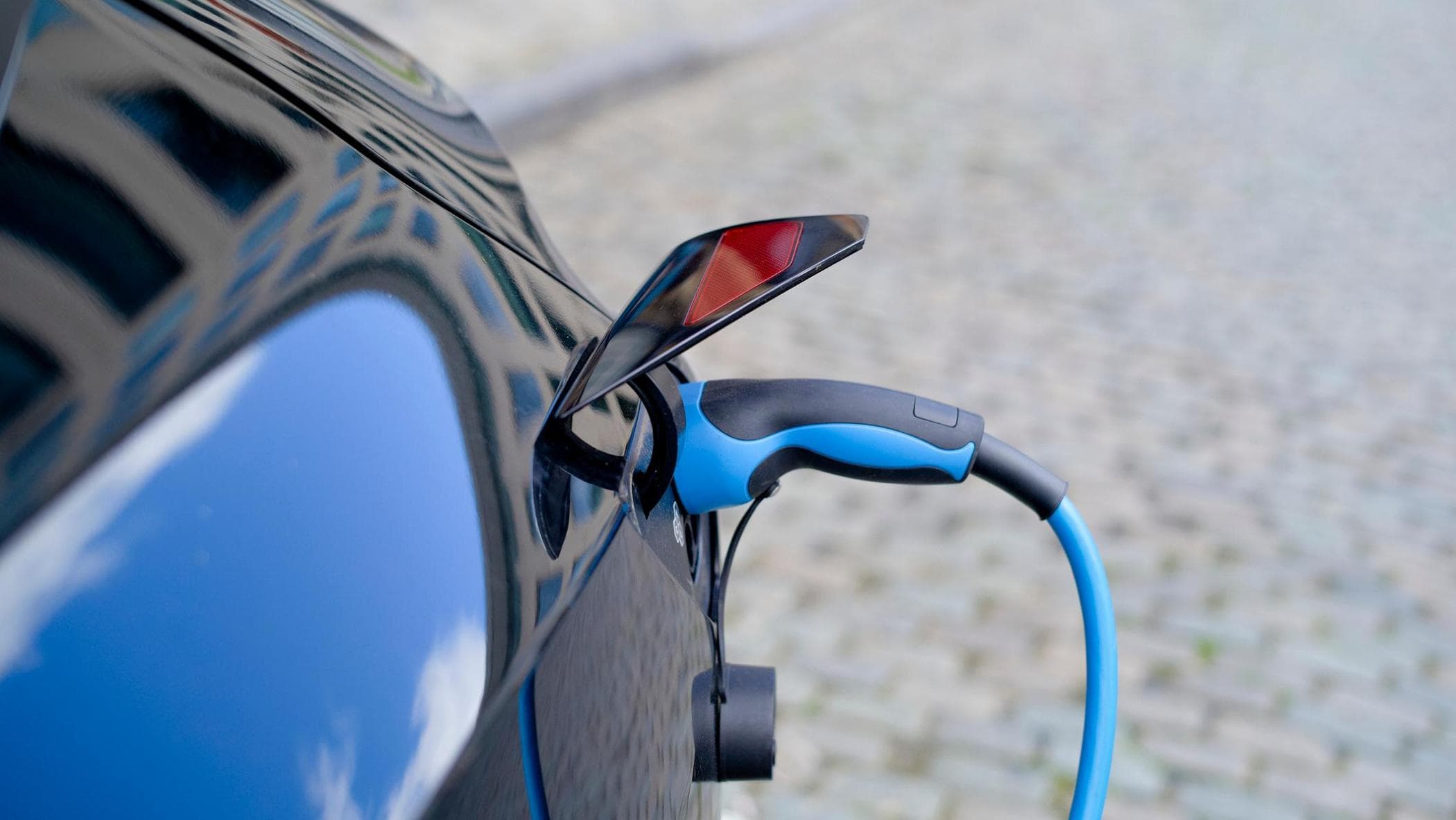
Charging power – the rate at which electricity flows into a battery – is almost 26% lower for vans than for cars. This suggests that in many circumstances vans take longer to charge than cars.
VDG stresses that range figures are based on standard tests, while charging figures show the peak power reached during a charge cycle. This means that actual real world range and charging speeds are likely to vary in everyday use.
These benchmark figures highlight the need for e-van buyers – the majority of whom are business fleet operators – to understand the operating conditions for vans in particular, which may carry significant payloads for many of their journeys.
Another significant difference identified by VDG is reported energy consumption, which is also much higher even for unladen commercial vehicles.
VDG’s analysis shows that amount of electricity used to cover a given distance is about 46% higher for electric vans than cars, even before heavy payloads are added. Taking kilowatt-hours as the measure of energy used, the median performance figure for cars is 4.26 miles per kilowatt-hour, compared with 2.92 miles per kilowatt-hour for vans.
If both are charged at the same electricity price, it means that an e-van journey costs almost half as much again per mile – a difference that adds up for businesses operating multiple vehicles.
VDG says that its findings underline why fleet operators need to consider electricity consumption alongside range. Daily mileage, electricity tariffs and the time and charging capacity available to replenish batteries all contribute to operating costs and, ultimately, total cost of ownership.
The key aspect of van design is that with their ‘boxy’ shape, vans are typically less aerodynamic than cars which can be designed as much for their aesthetic appeal as their driving efficiency.
Another significant difference between electric cars and vans is that maximum charging power for vans is less critical in everyday use, because LCVs are often only charged overnight at a base depot, whereas car drivers expect to spend as little time as possible interrupting their journeys to charge up. Van batteries are typically designed to throttle back on higher charging energy to preserve long-term battery life.
Even when unladen, vans are still generally heavier than cars, which demands more energy per mile. And manufacturers are keen to balance the costs and benefits of ever bigger, heavier and more powerful batteries because of the tradeoff between cargo space, legal maximum weight and cost for efficiency-focused operators.
Hermer said: “Although on face value it looks as if vans are some way behind cars, manufacturers are aware that more battery adds cost and weight, both of which are even more critical to the operators of light commercial vehicles.
“There’s no doubt that for some electric van users what we call ‘payload panic’ could be a real issue, but the overall lesson from our analysis is that the figures illustrate different priorities and approaches to electrifying fleets.
"It suggests that for van users whose vehicle doubles as everyday transport, the electric option might still not be the most suitable choice. But for most commercial operators who are optimising for more than just maximum range, despite their current comparable limitations, electric vans are clearly designed with good business reasons justifying their performance."
Electric cars are ahead of battery-powered vans for maximum range with lower electricity costs per mile, says Vehicle Data Global
Cazana has developed a bespoke version of its Stockcompare tool for Chery International UK (CIUK) and its respective brands
Wessex Fleet contributed to a round table which revealed that many UK fleet vehicles have tyres below the legal tread-depth limit
How much time did you spend on the things that could genuinely change the business? That’s the challenge set by BOOM Academy
Greenhous Fleet has surpassed 100,000 deliveries in 2026, including longstanding OEM partners and a newer portfolio of…