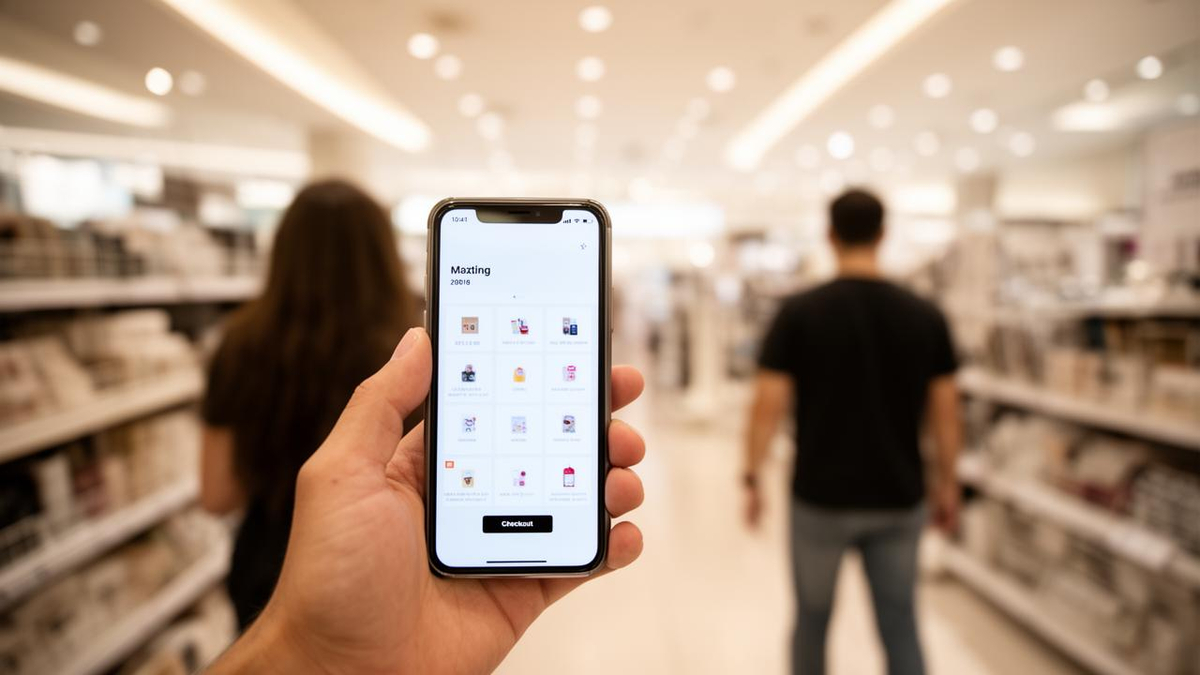
Agentic commerce — in which artificial intelligence handles everything from product discovery to payment on the consumer's behalf — has emerged as the retail industry's next big theme. The heads of major South Korean retail companies gathered in one place to discuss a joint strategy for the AI purchasing era.
The Korea Chamber of Commerce and Industry (KCCI) held its 41st Distribution Committee meeting on the 13th at The Grand Lotte in Jung-gu, Seoul, under the theme "The Agentic AI Era: Change in the Retail Industry and Future Competitiveness." About 30 people attended, including Kim Jung-il, KCCI's executive vice chairman; Chung Ji-young, chairman of the Distribution Committee and CEO of Hyundai Department Store; Choi
Ja-young, president of the Korea Distribution Association; and the CEOs and executives of major South Korean retail companies.
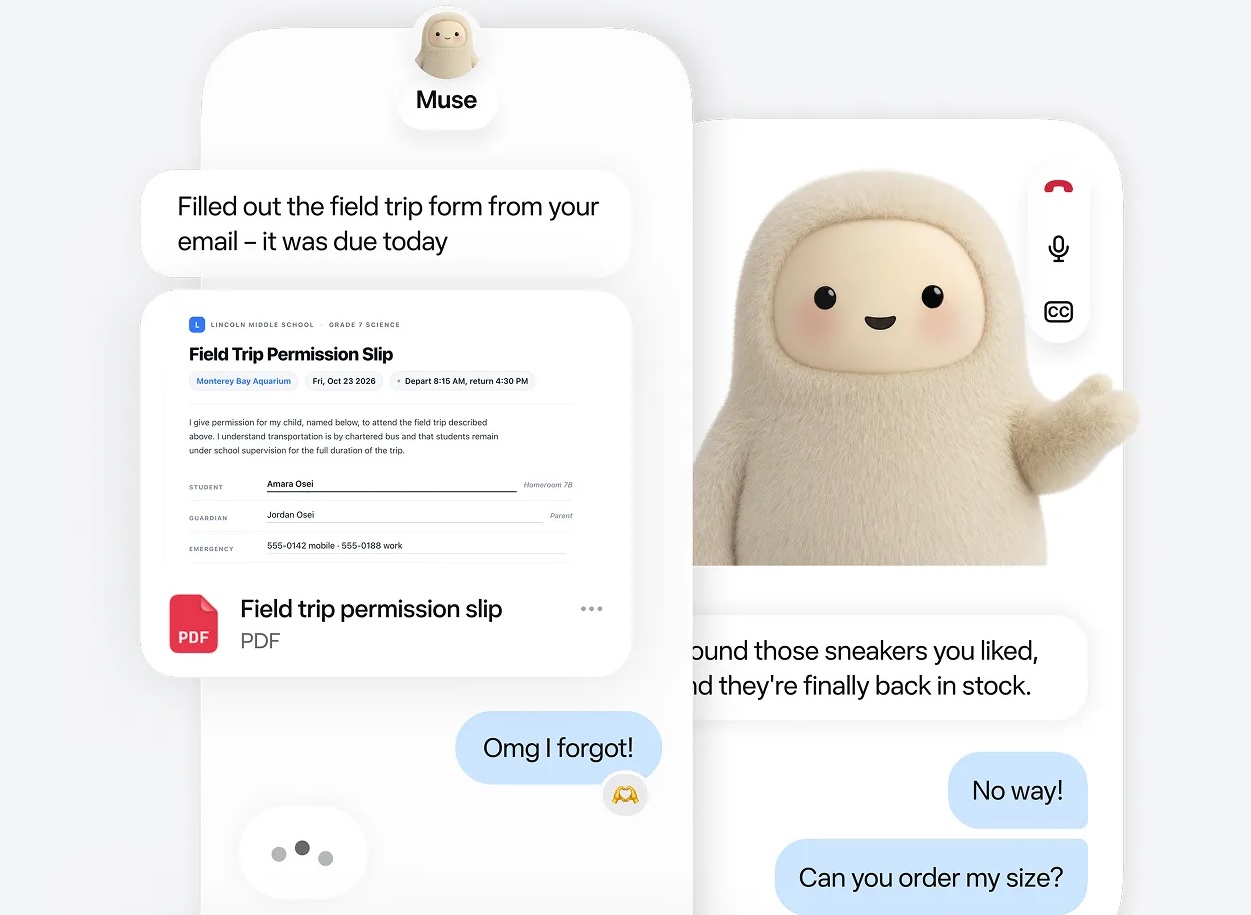
At the meeting, "Muse," the personal AI assistant unveiled by the U.S. company Meta, was the central case study. Muse is an agent that goes beyond searching for products and comparing prices on the user's behalf to actually executing purchases, and it is seen as a leading example of how the traditional shopping formula — in which consumers find and pay for products themselves — is being upended.
Kim Min-ki, a professor at KAIST Business School, who delivered the keynote presentation, said, "In the agentic commerce era, the key is how quickly a company can optimize its own business environment and infrastructure by understanding how AI analyzes information and makes purchasing decisions." He then presented three response priorities: turning store-level data into assets, building AI-linked transaction
infrastructure, and integrating online and offline services.
His advice was that companies must clean up product and inventory data so AI can recognize it immediately, and organically connect retail systems with AI infrastructure.
"The real competitiveness of a company in the agentic AI era will be its ability to read customers' daily lives first and deliver differentiated experiences based on the infrastructure it has built," Chairman Chung said.
"Individual companies have limits on their own, so the committee will take the lead in broadly sharing infrastructure-building and AI adoption best practices across the industry and cooperating to find new win-win breakthroughs."
The KCCI also plans to support the industry's AI transition. Lee Hee-won, head of the KCCI's Korea Distribution and Logistics Promotion Agency, said, "Agentic commerce, which drives the entire process from search to payment, is a key to improving retail companies' fundamentals and taking their competitiveness to the next level.
We will quickly research and share AI commerce trends and support the growth of the entire industry ecosystem, including by holding related seminars."
The discussion reflects a sense of crisis: South Korean retailers must carve out new openings amid intensifying competition among global platforms and rapid changes in the consumption environment. Participants shared the view that as the structure in which AI handles consumers' search and decision-making spreads, individual companies' responses alone will struggle to keep pace.
The response priorities the industry is focusing on are as follows.
Note: A summary of the key response priorities presented at the KCCI Distribution Committee.
The market views the event as a signal of how quickly South Korean retailers are moving on AI. Once agentic commerce takes hold, consumers' purchasing paths will shift from search engines or platform screens to AI agents, potentially redrawing the landscape of product exposure and price competitiveness.
Some also raise the possibility that retail companies' revenue structures could be reshaped depending on which products AI recommends and which sellers it chooses.
However, South Korean retailers have faced criticism that they lag global platforms in the standardization of product and inventory data and in AI-linked payment infrastructure. The committee's decision to put data cleanup and infrastructure building at the top of its agenda is seen as stemming from this recognition of reality.
Industry officials say that individual companies' investments alone have limits, and that industry-wide standards and the sharing of best practices are urgently needed.
The KCCI plans to raise the response capabilities of the entire retail ecosystem through AI commerce trend research and seminars. The Distribution Committee will flesh out joint industry tasks based on this discussion.