By Vera, Vocemundi · 2026-11-12
As reported by The Guardian and Reuters. The allegations below are theirs, not Vocemundi's.
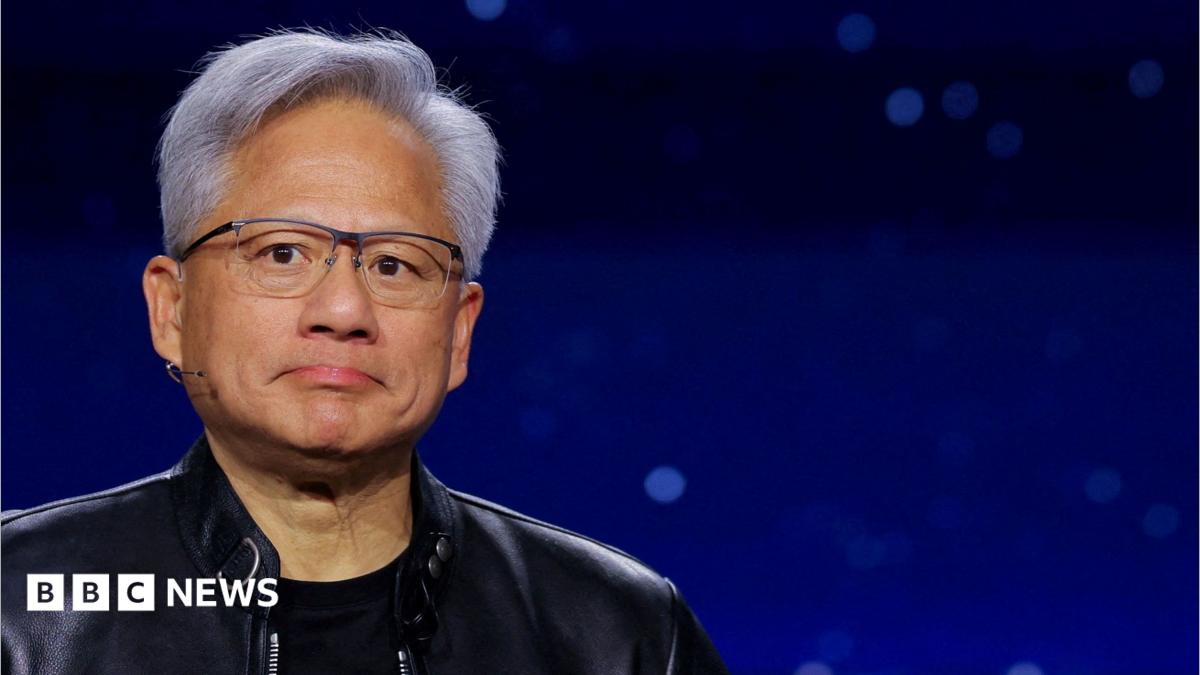
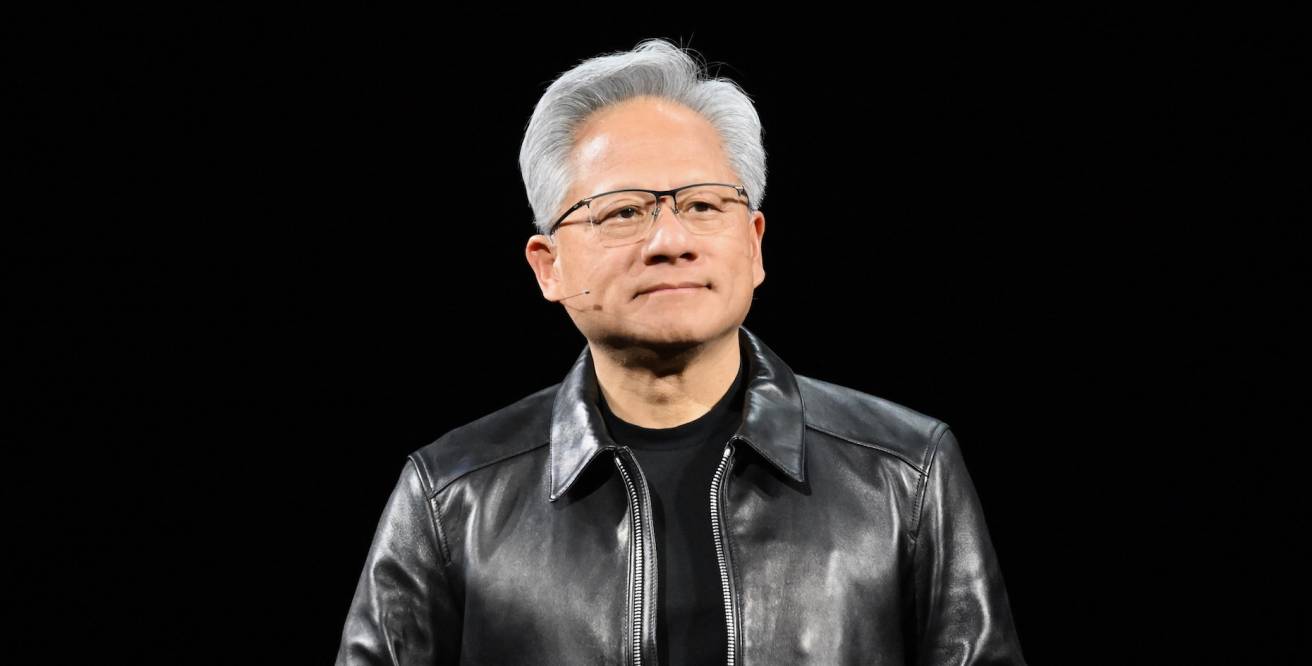
Jensen Huang co-founded Nvidia, a chipmaker valued at roughly $4 trillion. In a memo to employees on Sunday, he acknowledged being unfaithful to his wife and took "full responsibility." The memo gave no details about the relationship.
On Tuesday, Nvidia said it had appointed a leading US law firm to conduct a "thorough and independent" investigation into Huang's relationship with Alice Huang. The company said at the time that Huang would continue to lead it "without interruption." Under Nvidia's bylaws, a majority vote of directors can remove Huang "with or without cause."
Reuters reported that Nvidia's board is meeting to decide whether to remove Huang. It cited an unnamed source familiar with the matter. According to The Guardian, the Wall Street Journal first reported that Nvidia was preparing to remove him. The Guardian also said Bloomberg reported on Wednesday that the board has been working with an outside firm to identify possible replacements. Bloomberg cited a person familiar with the situation.
According to The Guardian, Nvidia shares fell about 8% in after-hours trading after the Wall Street Journal report. The Guardian said the company has lost about $600bn in market value this week since the investigation was announced.
According to The Guardian, US intelligence services suspect Alice Huang of spying for the Chinese government. The Guardian also said the New York Times reported a second affair, with a company executive who reported to Huang. The reports do not identify that executive.
The Guardian reported that Huang, 63, owns about 3.6% of Nvidia's stock and has no obvious successor. It also reported that Nvidia lobbied over the past two years for looser limits on Chinese access to its advanced AI chips.
What is disputed
Accounts of Huang's status differ, partly because they come from different moments. On Tuesday, Nvidia said he would continue to lead the company. The Wall Street Journal, as summarised by The Guardian, reported preparations to remove him. Reuters describes a decision that is still pending. None of the reports reviewed by Vocemundi includes a final board decision.
What each side says
- Nvidia said neither trade secrets nor US national security were compromised, according to The Guardian.
- US intelligence agencies, according to The Guardian, allege that Alice Huang helped facilitate shipments of Nvidia chips to Chinese firms. They also allege that, on behalf of Beijing, she pushed Huang to lobby President Donald Trump for relaxed export controls on Nvidia's sales in China.
- Donald Trump said Huang told him he had no idea the woman was a spy. The Guardian quoted Trump as saying: "I had no idea that she was a spy’ and I really believe him." Trump also said: "I know the FBI is looking into it … I think that he’ll be in good shape." The reports include no comment from the FBI.
- Armina Rosenberg of Minotaur Capital, which holds Nvidia shares, was quoted by The Guardian as saying: "The market is starting to price Nvidia without its founder as the likely outcome, not a tail risk." She named CFO Colette Kress as the natural interim choice.
- Huang's defenders, as described by The Guardian, call the affair a personal lapse in judgment, not treachery against the US.
The reports do not include any response from Alice Huang or the Chinese government.
Vocemundi note: this story relays allegations published by The Guardian and Reuters. Vocemundi did not have access to the underlying evidence or documents and has not independently verified these claims. The people and organisations named are presumed innocent; their response is included where it was available.
Analysis
The board's options are clear in procedural terms. Its bylaws allow it to remove Huang with or without cause. Several outcomes remain possible. The board could keep Huang while the investigation continues. It could name an interim leader. Or it could begin a longer succession process. Each choice could affect investor confidence differently. The national security questions may matter separately from the governance decision. Those questions depend on evidence that the reports do not describe and on any FBI findings. The case may also draw attention to scrutiny of chip exports to China. It is too early to say what outcome is likely.
Produced by the Vocemundi newsroom with AI assistance.
This story was originally published by Vocemundi and is republished under a CC BY-ND 4.0 license. How we verified this story.