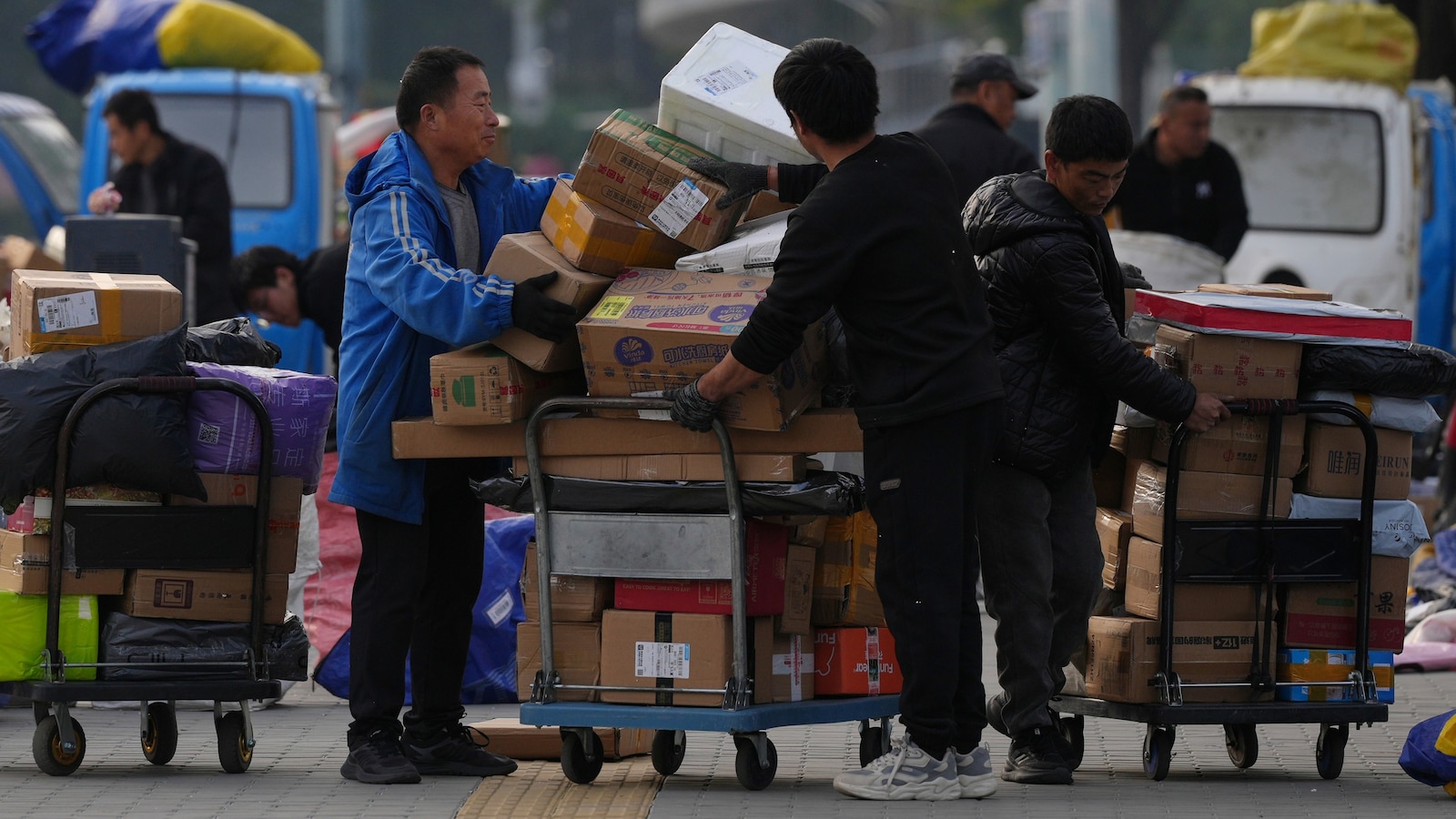
Signs so far show Singles' Day, China's biggest online shopping festival, is failing to entice worried consumers into splashing out more, even when they are offered bargains
HONG KONG -- Signs so far show Singles’ Day, China ’s biggest online shopping festival, is failing to entice worried consumers into splashing out more, even when they are offered bargains.
Singles’ Day, a landmark discount campaign similar to Black Friday and Cyber Monday sales in the U.S., is focused on Nov. 11, or 11-11, which is Wednesday. But it starts weeks earlier and is seen as a barometer for the broader economy.
Retail data platform Syntun said as of Oct. 31, the cumulative sales for this year’s festival were just over 1 trillion yuan ($154 billion), broadly similar to last year’s figure for the same period.
Retailers have managed to increase sales mainly by making the festival longer: total Singles' Day sales in 2025 reached a record of almost 1.7 trillion yuan ($254 billion).
But consumer demand in China has been suppressed as confidence took a hit from a prolonged property sector downturn among other factors. “Optimism over a recovery in domestic demand has faded,” said Max Zenglein, Asia Pacific senior economist at The Conference Board, “Improvements in sentiment have repeatedly proved short-lived.”
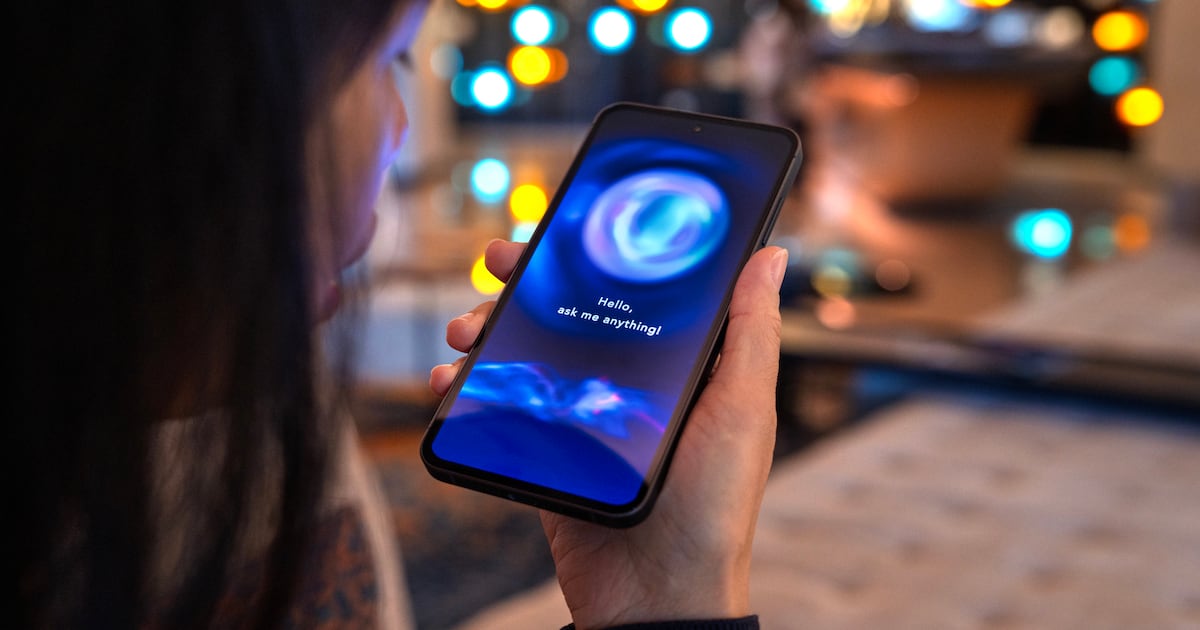
E-commerce giants like Alibaba have turned to artificial intelligence to try to get frugal shoppers to spend more. Alibaba's platforms Taobao and Tmall, for example, were integrated with Alibaba's Qwen AI this year even before the campaign started to help with shoppers' orders and product recommendations.
For the first time, Singles' Day AI token plans are on offer and are being promoted prominently. This month, one livestream by Li Jiaqi, dubbed the “Lipstick King” after selling huge amounts of lipsticks, recorded sales roughly equivalent to 2 trillion tokens within half an hour, according to Chinese media.
While the broader economy is still growing at a relatively robust pace, expanding 4.6% in annual terms in January-September, much of that momentum came from a boom in exports. Retail sales of consumer goods rose just 1.1% from a year earlier during the same period.
China’s huge domestic market has suffered as a yearslong real estate downturn has left families feeling less well off. Home prices are down roughly 20% or more from the market's 2021 peak, with smaller cities and the secondary market suffering more.
While housing prices appear to be stabilizing in larger cities, many homeowners are not convinced they won’t fall further, said Andy Rothman, founder of the advisory firm Sinology.
In the southern furniture manufacturing hub of Foshan, Gabby Liang said she's feeling cautious.
“I’ve been buying much less online, especially when it comes to non-essential items,” the 24-year-old said. “During the Single’s Day festival last year, I bought quite a bit of skincare products. But this year I expect to buy fewer.”
Other shoppers said they are cutting down on big spendings. “I’m perhaps not as keen on pursuing famous or high-end brands as I used to be,” Kong Min, a resident in Beijing, said of this year’s Single’s Day.
Middle-class Chinese consumers have lost a lot of confidence, plus, many of the discounts offered during the festival are not as good as before, said Shaun Rein, managing director of China Market Research Group in Shanghai.
More shoppers are experiencing a “discount fatigue,” said Yaling Jiang, founder of ApertureChina, a…