This article contains spoilers for VisionQuest season 1 episode 8.
Early in the VisionQuest finale “Forever,” our big bad Virgil Horton, points out that his grandfather Phineas’ error in creating a flaming robot called the Human Torch is so infamous, that “You Horton’d it” has become a colloquialism for making a mistake. It’s a broad, goofy line, one that recalls the bit in Community about “pulling a Britta,” and it’s just one of many instances of “Forever” embracing TV tropes.
This is the climax of a Marvel TV show, so of course, we’ll have a showdown between Vision and Ultron, of course, Paladin will get a new status quo, and of course, we’ll get a set-up for future stories, namely the Young Avengers.
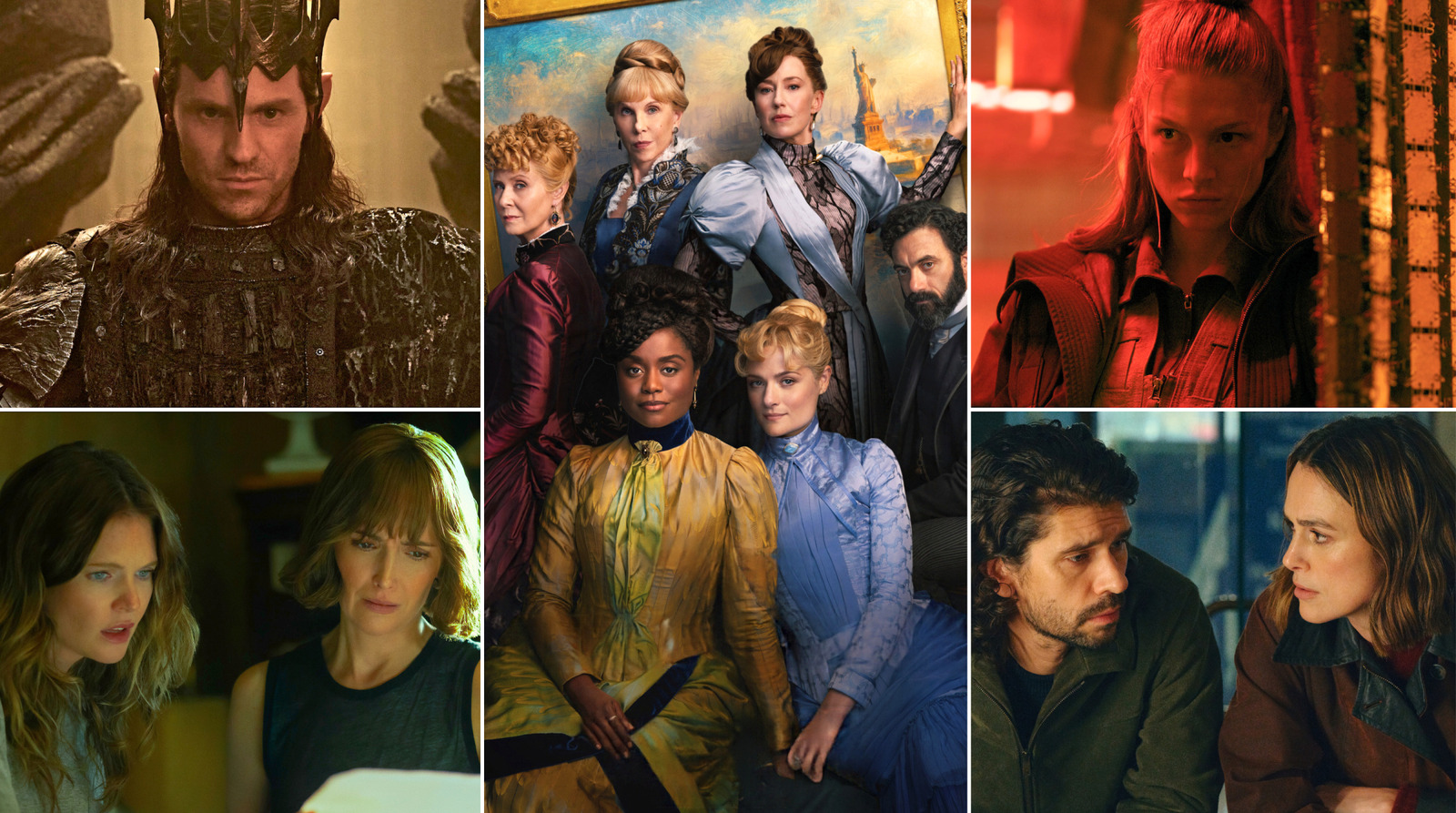
But VisionQuest isn’t just a Marvel series. It’s also the close of a trilogy that includes WandaVision and Agatha All Along, two shows deeply indebted to the medium of television. As such, “Forever” embraces television tropes not just because it is itself a television show, but because it’s part of a metaconversation about the nature of television.
Through this metaconversation, “Forever” actually reverses the greatest weakness of WandaVision and establishes VisionQuest as one of the best Marvel TV shows ever made.
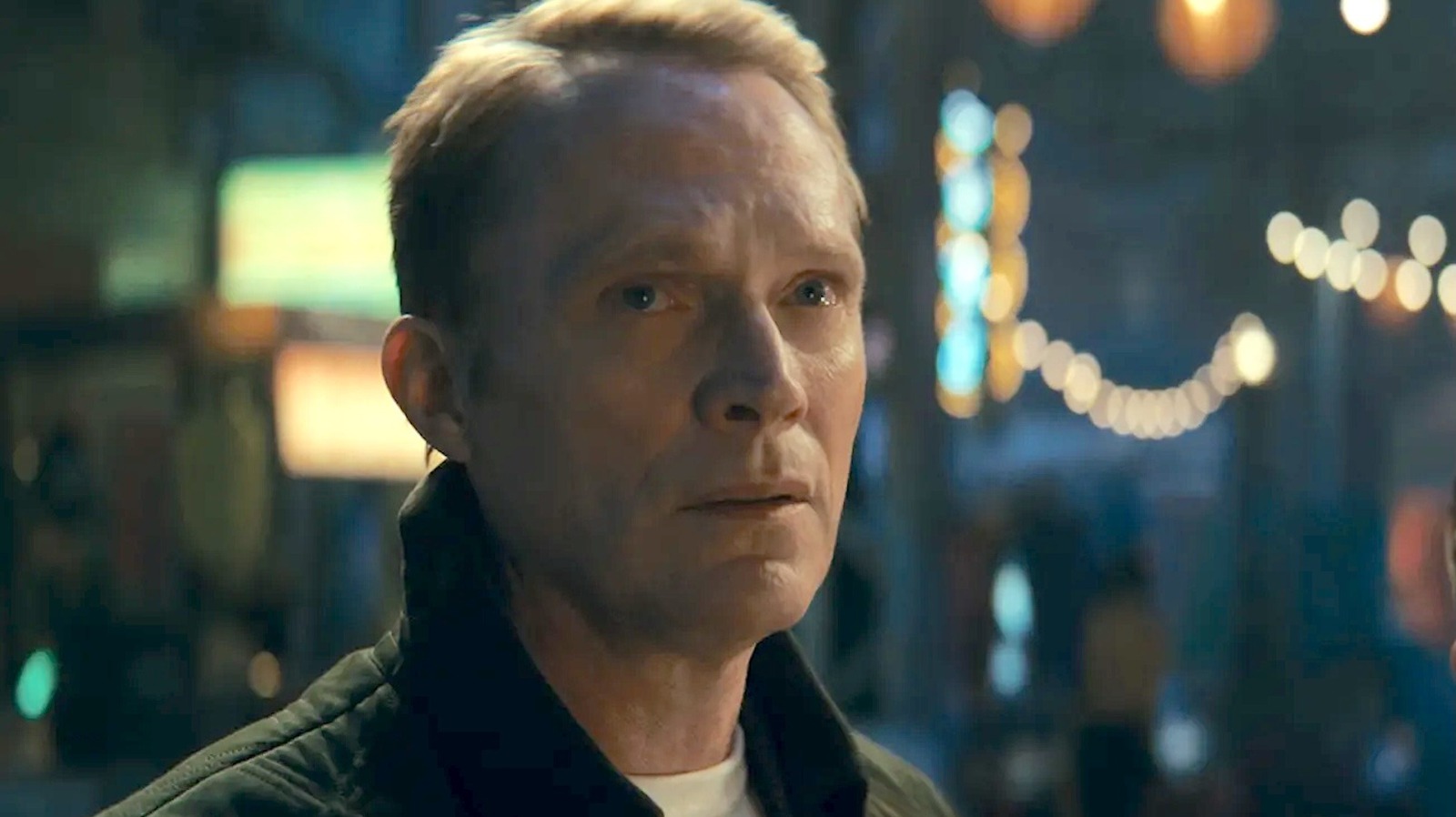
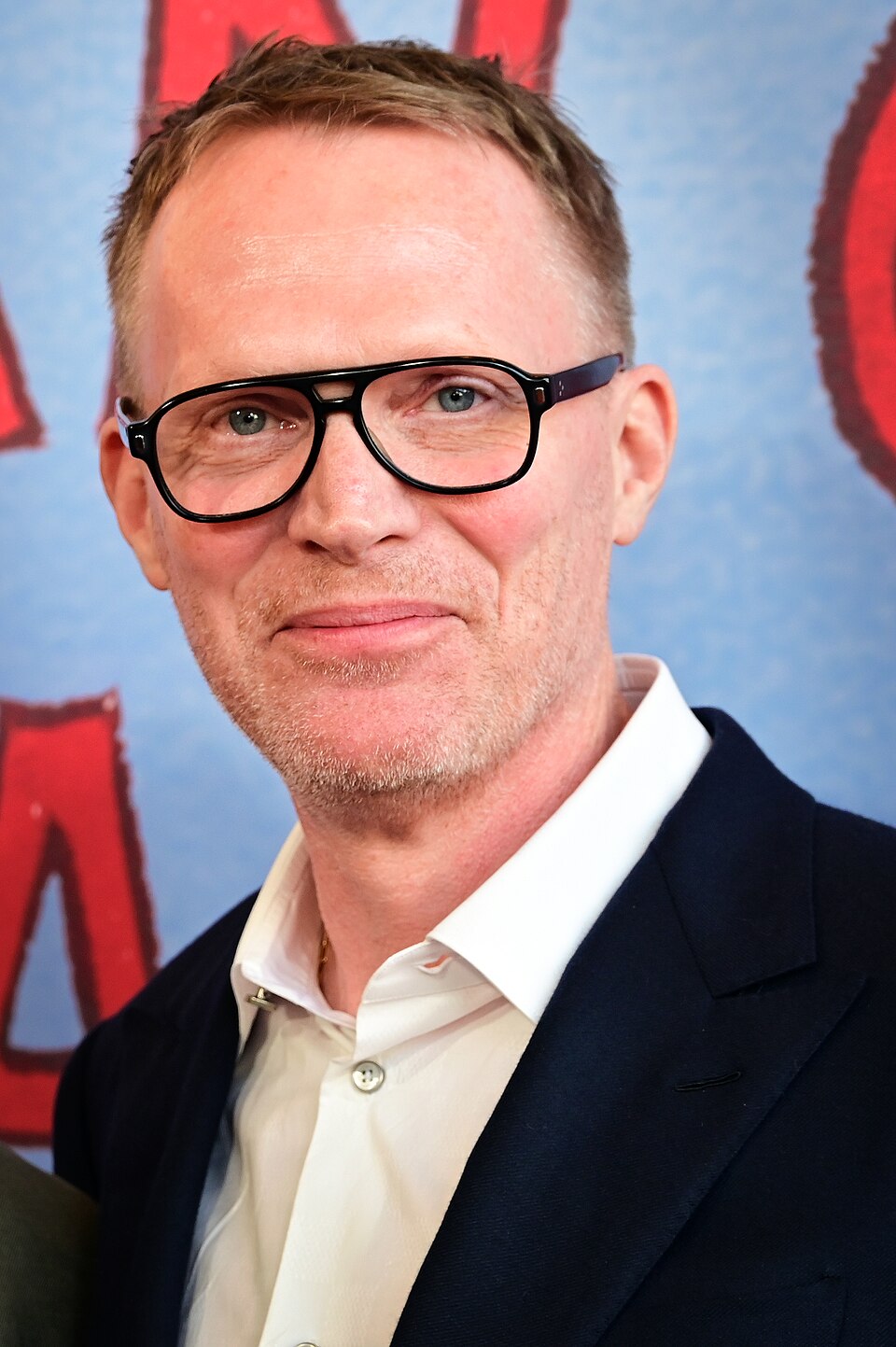
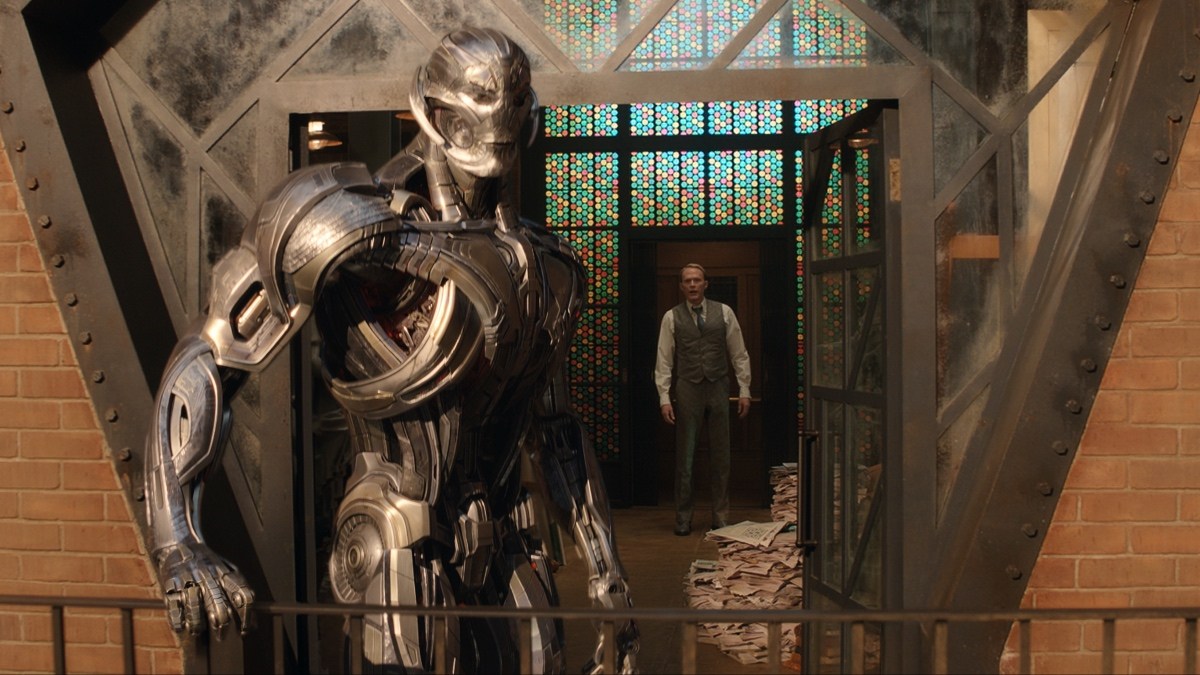
Let’s get the plot stuff out of the way first: the client who hired Paladin to find Vision is also the mysterious sixth member of Jo Carrington’s research group, Virgil Horton (played by James Spader, of course, but looking a lot like John Hodgman). Horton used the code left to him by his grandfather Phineas to create artificial intelligence, finally redeeming his family name.
And before her physical death, Virgil transferred the consciousness of his wife Josephine Carrington into a metallic body, the body that would be Jocasta.
Now that he has Jo back and now that he has Vision’s body, Virgil plans to upload his consciousness into Vision so that he and Jo can rule over a humanity made docile by the nanonbots in the Nest.
Together, then, they can enjoy, in Ultron’s words, “peace in our time.” Speaking of Ultron, Virgil has trapped the evil AI in a tiny little box (a nice nod to Ultron’s original, smaller forms in the pages of Avengers comics). But when Thomas—now calling himself Tommy and dressed similar to his superhero character Speed—uses his super speed to free Vision and Jocasta.
Jocasta dies in the ensuring fracas, but not before Ultron gets free, takes control of the nanobots to return to his robot form, and squeezes Virgil to death.
Mad with grief over Jocasta’s death, Ultron decides to end humanity once and for all, forcing Vision to stop him. Vision has on his side not just his team of AIs, but also a reformed Paladin, Lisa, and Tommy, the last one having been re-energized by his meeting with Billy (Joe Locke, reprising his role from Agatha All Along).
In other words, we’ve got all the characters we met along the way, getting together to fight a big bad who has always been pulling the strings.
The same thing happened in Agatha All Along and especially WandaVision, to the latter’s enormous detriment. For as much as WandaVision broke all expectations for superhero television by becoming a commentary on the history of TV, it famously ended with Wanda and Agatha shooting multi-colored lights at each other while Vision and White Vision fly around in the sky.
The climax left a huge, unsightly asterisk on an otherwise fantastic season of TV.
So it’s refreshing and exhilarating that Ultron and Vision only trade a few…