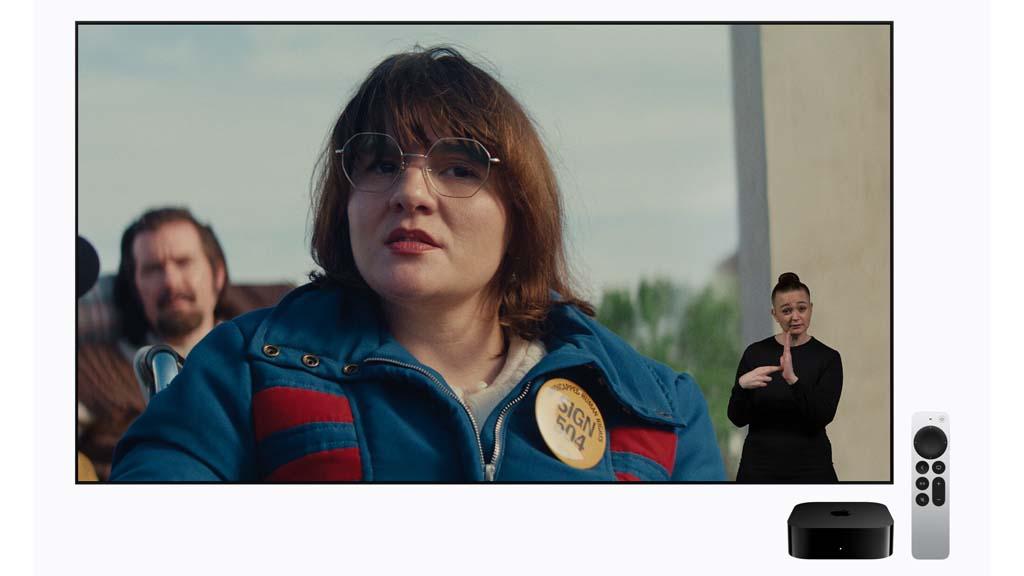
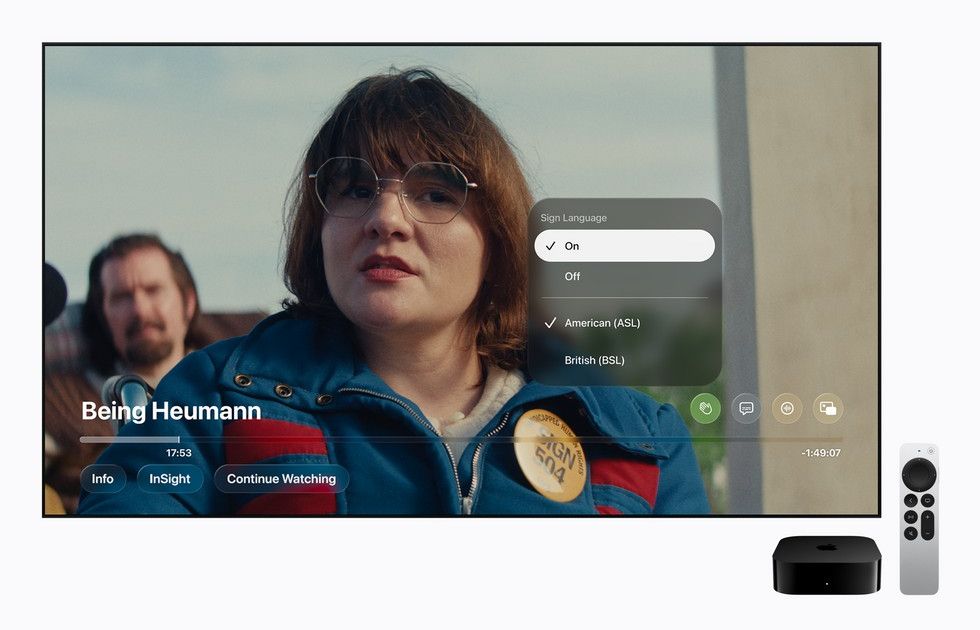
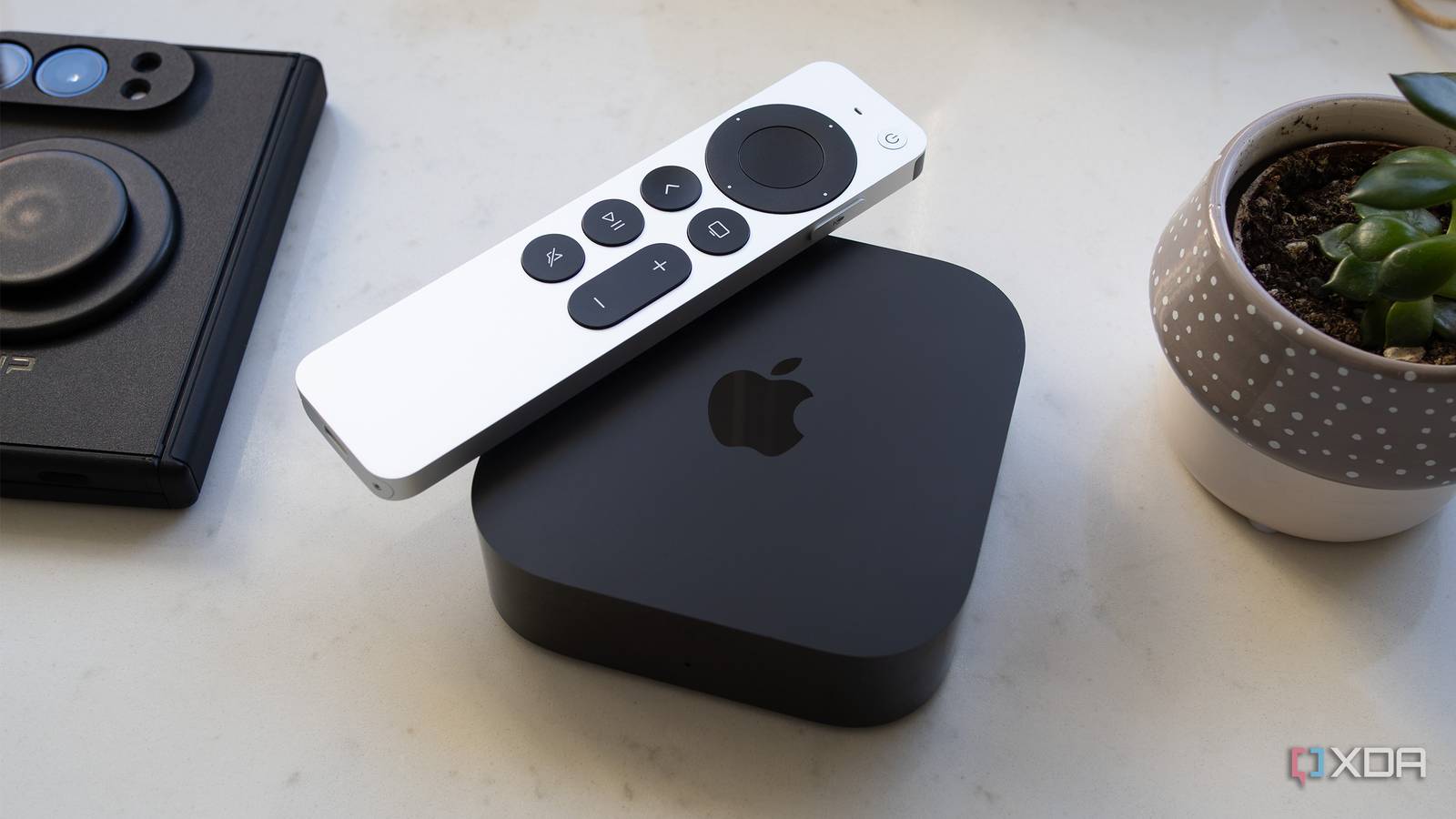
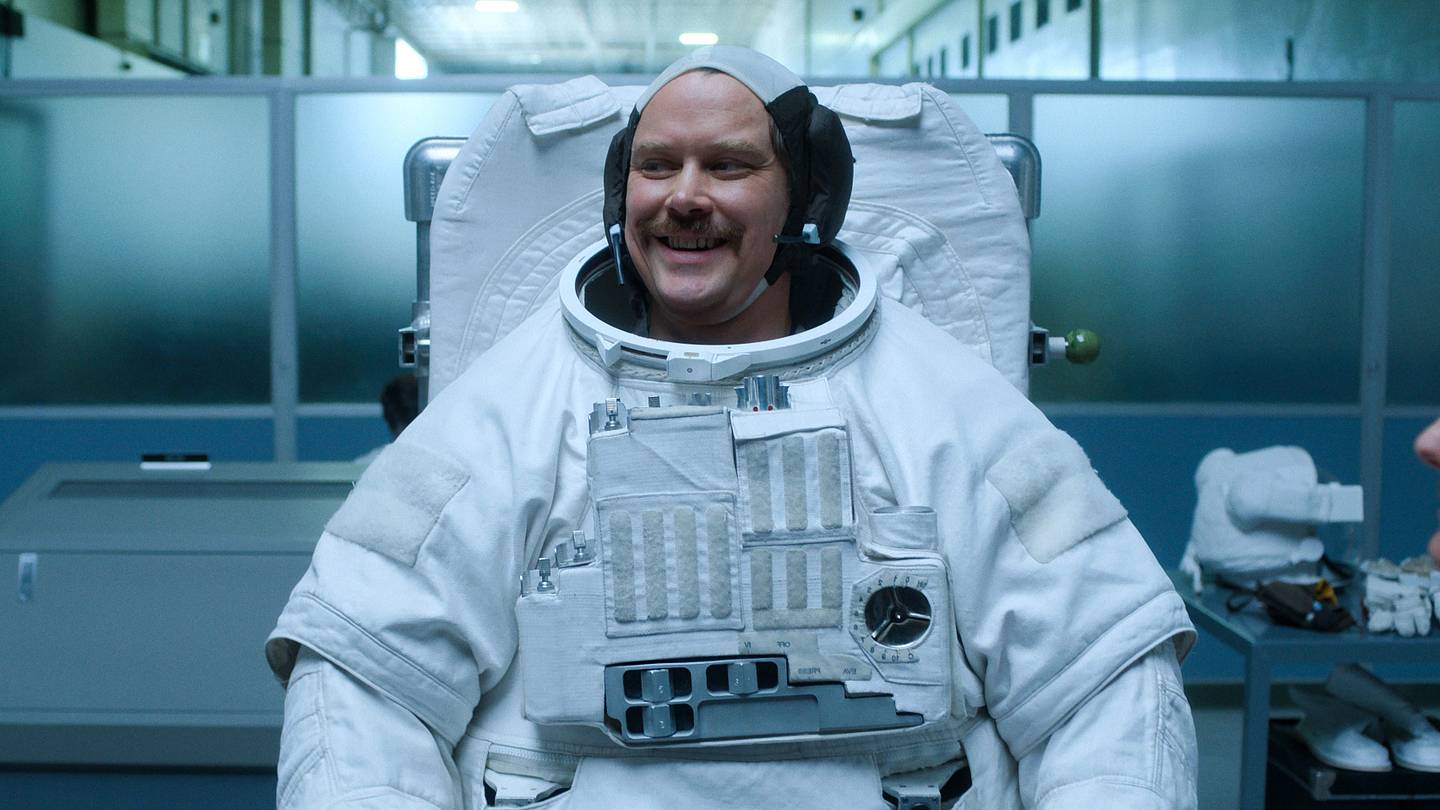
A sign language interpreter appears during a scene from Being Heumann. The film's November 13 streaming premiere marks the debut of American Sign Language and British Sign Language interpretation in the Apple TV app.
Wow. I remember asking during my Apple days why so many television titles had no captions. Even when captions were available, I sometimes had to dig through settings to find them. Today, on some televisions, I can turn captions on from the remote. I can find captioned choices across genres on Netflix. On a Delta flight, I can browse the captioned titles and pick something I actually want to watch.
Look how far we have come.
On November 13, Apple will give viewers another choice. Its Apple TV app will debut a Sign Language feature alongside the global streaming premiere of Being Heumann, with interpretation in American Sign Language and British Sign Language. Daniel Durant, who appears in the film, directed its sign language interpretation. Apple says Deaf and native signers helped design and test the experience.
When I wrote about Judy Heumann and Gloria Steinem, I was struck by how they challenged assumptions about who gets to participate. It feels fitting that a film about Heumann gives more people a way to experience her story.
The launch raises a question for streaming companies. Can someone sit down on a Friday night, pick the movie they want and watch it in the sign language they use every day? In writing about human variability and Accessibility 2.0, I made the case that people experience the same product in different ways. Here, that idea comes down to a choice a viewer can make before pressing play.
"Bringing sign language interpretation to Apple TV is an exciting step forward in making the viewing experience more accessible and inclusive for Deaf audiences," said Sarah Herrlinger, Apple's senior director of Global Accessibility Policy and Initiatives.
What I find most powerful is that American Sign Language and British Sign Language are languages in their own right. Both have their own grammar and ways of expressing meaning. Some signs look similar across the two languages, while others look quite different. It reminds me of hearing Spanish and Italian side by side. Some words sound familiar, while others have a sound all their own.
If American Sign Language is the language you use every day, seeing a film interpreted in that language gives you another way to experience its humor, tension and emotion.
I also think about people encountering sign language on screen for the first time. When I watch something in a language I am learning, I start to notice how people tell a joke or show affection. I can imagine someone turning on the interpretation for one scene, staying with it, and deciding they want to learn more.
They might notice how much a signer can convey with a facial expression or how the timing of a sign can carry a joke.
Apple says it will mark supported titles with a Sign Language icon and make them searchable in the app. The range of titles will determine how much choice viewers have. The addition of F1 takes interpretation from a historical drama to a racing film, with Way of the Warrior Kid and Greyhound to follow. I will be watching to see how many genres and titles Apple adds over time.
I think back to the days when I had to ask whether a title was captioned. What I wanted then was the freedom to pick a movie because I wanted to see it. Viewers who sign deserve that same freedom, in the…