Internal Revenue Service officials described their priorities for tax professionals at an AICPA tax conference, as the agency deals with a sharply reduced workforce and a challenging tax season next year.
The IRS is trying to find efficiencies by reducing the amount of paper it needs to process through its Zero Paper Initiative, where security problems have already been found, according to a July memorandum from the Treasury Inspector General for Tax Administration.
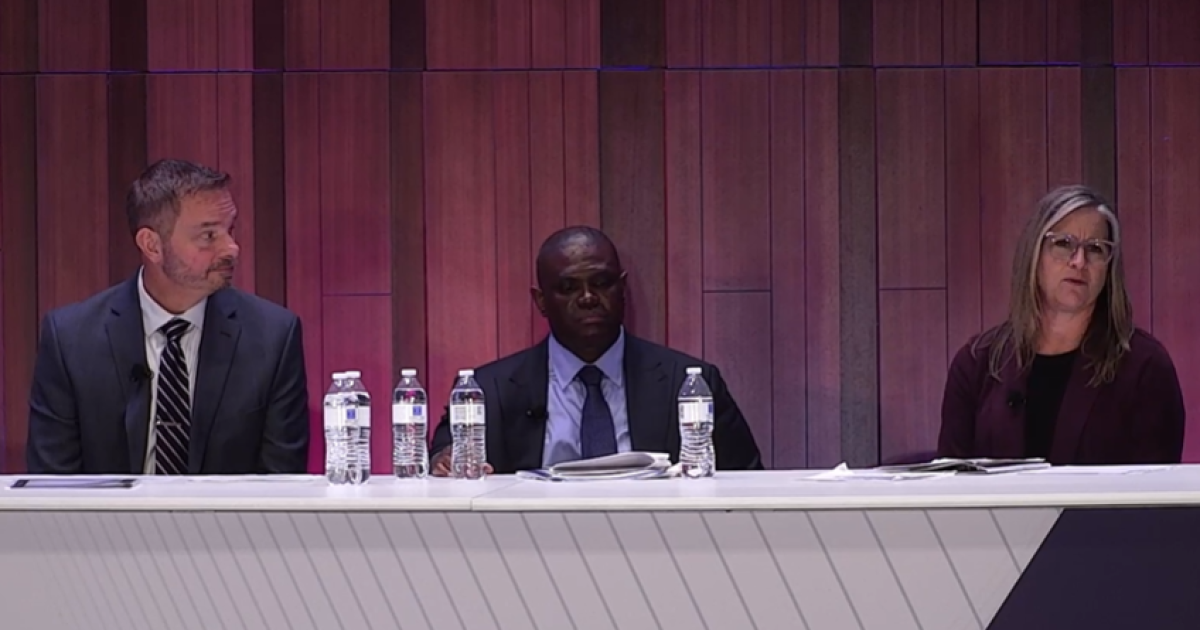
"Zero paper really represents a critical component of our transformation efforts to try to, as best we can, eliminate paper-based processing across all of the agency's operations, and that is something that we've been squarely focused on, and it has to do with converting paper documents into digital records," said Edward Killen, commissioner of Tax-Exempt and Government Entities division at the IRS, during a panel
discussion at the AICPA's National Tax Conference in Washington, D.C.
He cited as examples remittances on returns and correspondence. "You think about all the volume of paper that we receive, and it also goes to paper checks as well," he added.
"We've had an enterprise effort that has been underway for quite some time right now to reduce paper, convert to digital records, reduce manual data entry, streamlining the work that our employees have to do to deal with those remittances, and all of those steps really lay the groundwork for faster and more efficient processing," said Killen.
The IRS worked with tax professionals this past filing season on implementing the new tax law, the One Big Beautiful Bill Act, which Republicans have rebranded as the Working Families Tax Cuts.
"The filing season required significant coordination, particularly as taxpayers began claiming benefits under the Working Families Tax Cuts Act," said Chris Pleffner, director of the Tax Professional Management Office at the IRS. "It reinforced how important organizations such as the AICPA are to effective tax administration."
He noted that AICPA members and other tax professionals played an essential role in helping taxpayers understand the law, claim the benefits available to them, and file complete and accurate returns. But he also warned of a challenging tax season ahead.
"The IRS can issue guidance, process returns and deliver refunds, but tax professionals such as yourselves are the ones translating complex tax provisions into practical, understandable information or advice for the taxpayers," said Pleffner. "That work supports voluntary compliance, promotes fairness in the tax system, and helps the IRS identify and address issues that taxpayers are experiencing.
The ongoing communication between the IRS and the tax professional community also allows us to respond more quickly when guidance needs clarification or when implementation issues arise. We're looking at another challenging filing season ahead. It will be the second filing season since the passage of the Working Families Tax Cuts."
He noted that the IRS is well into preparations for the 2027 filing season. "A major part of that work is making sure taxpayers can navigate tax changes that took effect last year and receive the relief Congress intended," said Pleffner. "We still have work to do on provisions involving tips, overtime, car loan interest and a number of other things.
That means continuing to educate taxpayers and provide additional guidance, so they understand what they may qualify for and claim it."
The IRS…