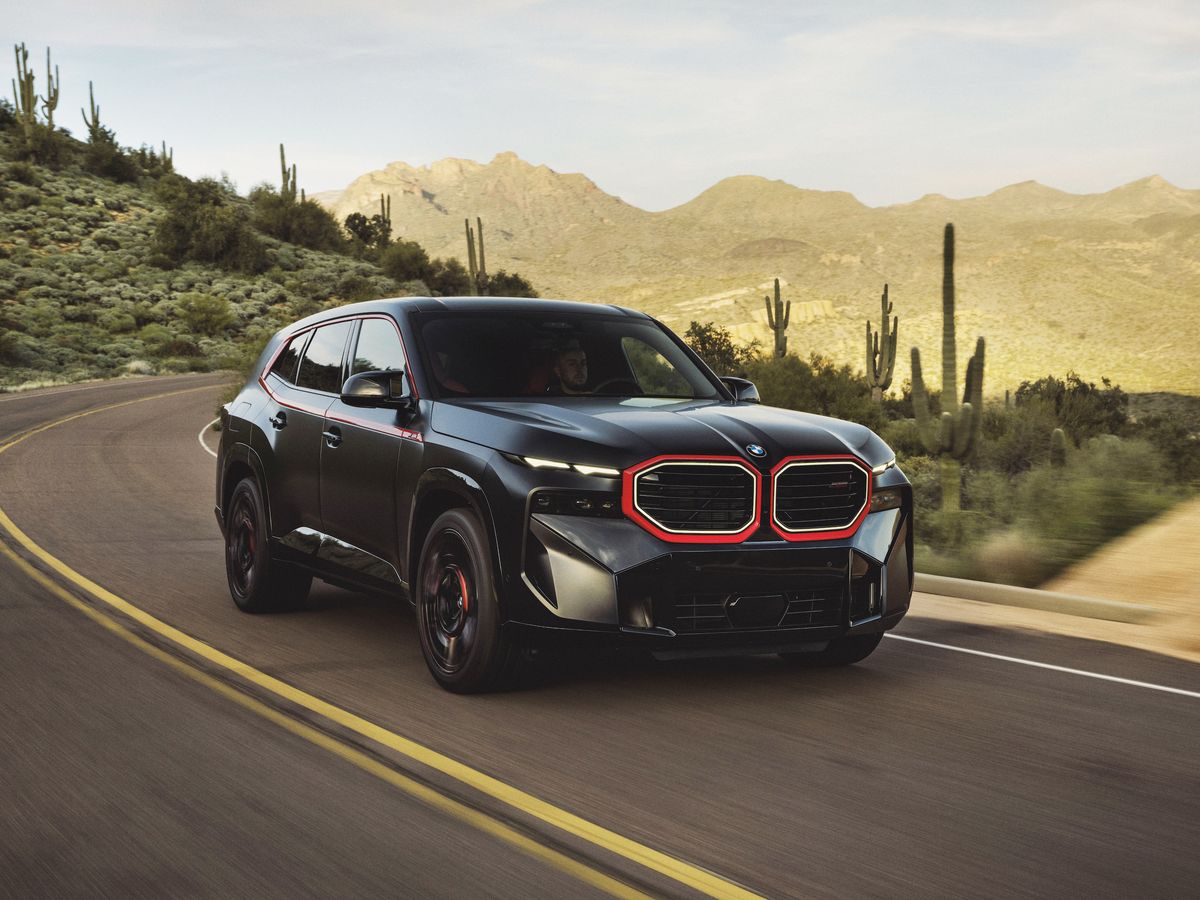
Nigeria has the installed capacity to produce between 450,000 and 500,000 vehicles annually, potentially enough to meet domestic demand, but the country needs stronger financing, local component manufacturing and policy support to realise that potential.
The Director-General of the National Automotive Design and Development Council (NADDC), Joseph Osanipin, disclosed this at the opening of the 26th Abuja International Motor Fair on Tuesday.
He said Nigeria’s annual vehicle demand ranges between 350,000 and 450,000 units, indicating that existing assembly capacity could meet much of the domestic market's requirements if manufacturers receive the necessary support.
Osanipin identified access to finance, supportive legislation and local production of vehicle components as critical requirements for expanding the industry.
According to Osanipin, Nigeria currently has installed automotive production capacity of between 450,000 and 500,000 vehicles annually, compared with estimated annual purchases of between 350,000 and 450,000 vehicles.
He said the country could meet domestic demand through local production if the government addressed the constraints limiting manufacturers and assembly plants.
However, installed capacity does not represent actual annual output. The ability of local plants to supply the market will depend on access to components, working capital, reliable demand and the operating conditions facing manufacturers.
The NADDC is working on an automotive bill and a component development programme to strengthen domestic manufacturing and encourage the production of vehicle parts within the country.
The Federal Government has also released implementation guidelines for the Nigeria First Policy in the automotive sector, which aims to encourage greater patronage of locally assembled vehicles.
Access to vehicle financing is another part of the government's strategy to expand the domestic market.
Osanipin said NADDC had collaborated with the Nigerian Consumer Credit Corporation (CREDICORP) to develop guidelines for consumer credit that would support vehicle purchases.
He disclosed that more than 50 per cent of CREDICORP's disbursements so far had gone to the automotive sector.
The financing initiative is intended to make vehicle purchases more accessible while creating demand for locally assembled automobiles.
The council is also working to address concerns about maintenance and after-sales services. Osanipin said NADDC had reached agreements with local assemblers to establish service workshops nationwide, including through partnerships with existing facilities.
He added that the council had trained approximately 40,000 automotive technicians to support vehicle maintenance and after-sales services.
The Minister of Industry, Trade and Investment, Dr Jumoke Oduwole, described the automotive industry as a priority under the Federal Government's industrialisation agenda.
She said government support would focus on legislation, access to credit, regulation and measures to curb vehicle smuggling.
Oduwole also announced that Nigeria would host an automotive exhibition during the 2027 Intra-African Trade Fair in Lagos, scheduled for November 5 to 11.
The exhibition is expected to give vehicle manufacturers and component producers opportunities to showcase their products, attract investment and establish commercial relationships with other African markets.
She said Nigeria needed to secure a stronger position in the…