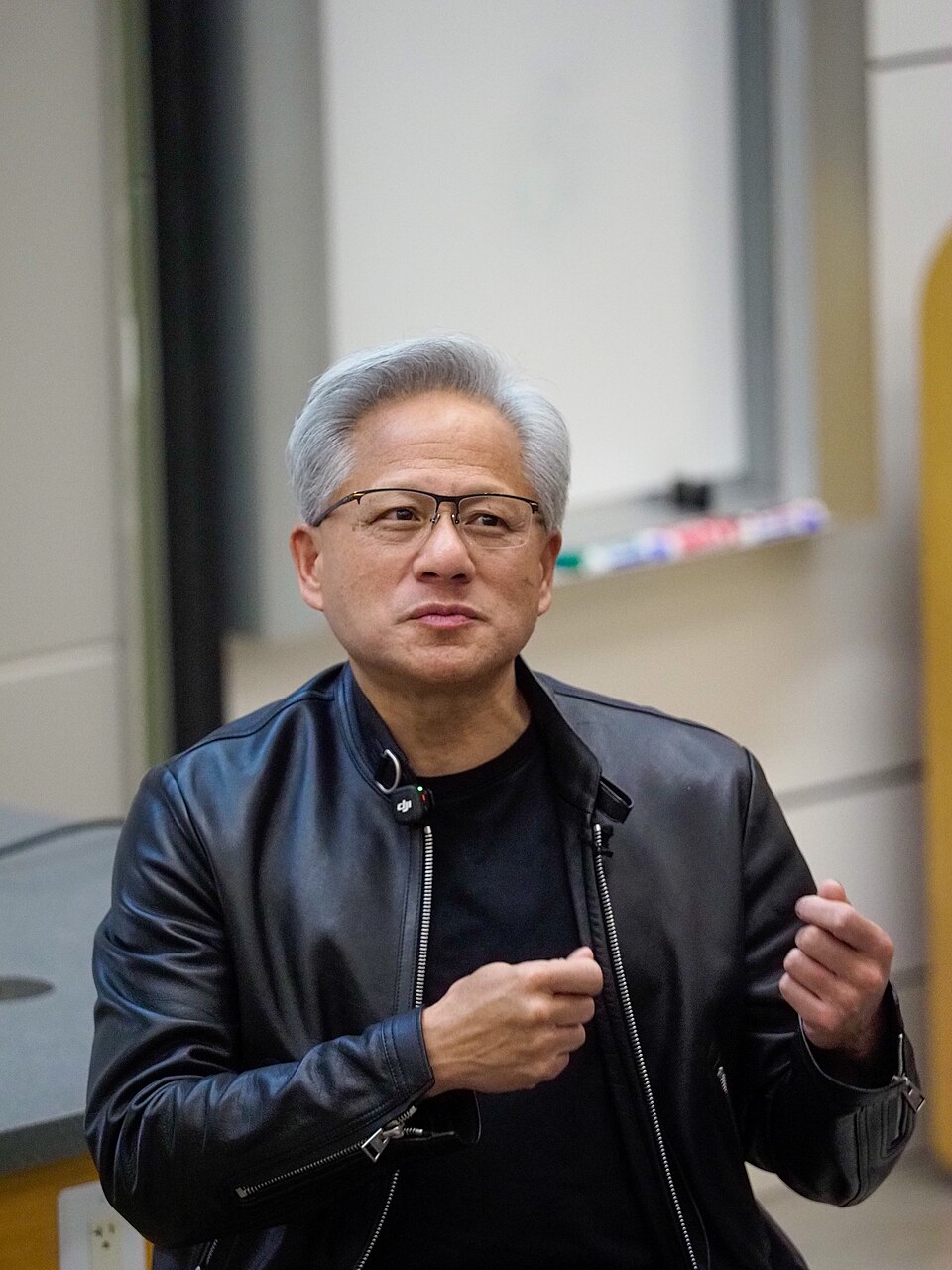
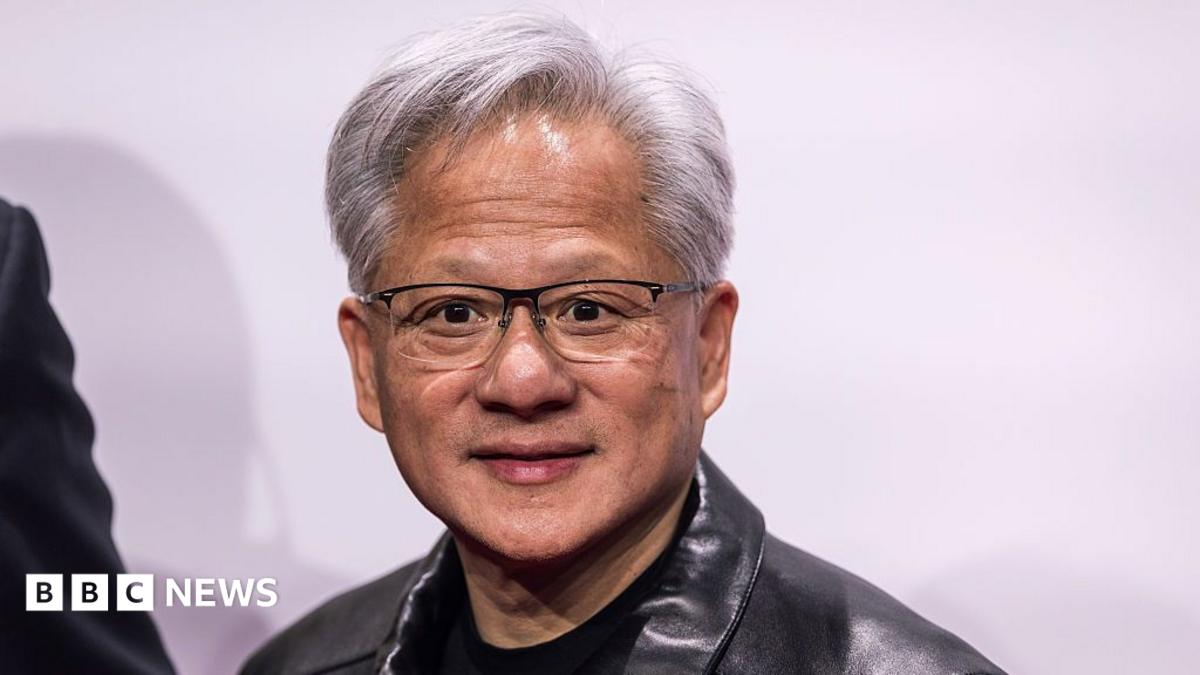
Nvidia computers and software are woven into the driver-assistance programs, robotaxi plans and software-defined vehicle architectures of a long list of the world’s automakers. This week, the company’s co-founder and chief executive, Jensen Huang, is at the center of a controversy that has moved from personal admission to congressional scrutiny in a matter of days, and the auto industry is watching closely.
The facts, as reported by multiple news organizations, are still developing. No criminal charges against Huang have been reported, and Nvidia has said it has no reason to believe national security or its proprietary information was compromised. What follows is a look at what has been reported, and at what it could mean for autonomous driving and software-defined vehicles.
The allegations first surfaced in a New York Times investigation late last month, according to Al Jazeera’s account. The Times reported that U.S. intelligence officials believed Alice Huang, a Chinese businesswoman with whom Jensen Huang had a romantic relationship, had been recruited by Beijing to gather information about Nvidia’s chief executive and potentially influence the company’s chip sales to China.
The two are not related. She is a former senior executive at Megaspeed International, a Singapore-based company that provides computing infrastructure for AI systems and that the Times reported had purchased about $4.8 billion in equipment from Nvidia.
On Sunday, Huang acknowledged in a memo to staff that he had been unfaithful to his wife and apologized to his family. Nvidia’s board announced the same day that a committee of independent directors, assisted by outside counsel, would investigate whether Huang had been the target of a foreign intelligence operation.
The board stated that it has confidence in Huang and his leadership team, and that Huang supports the review and will continue leading the company. Alice Huang has not publicly responded to the allegations, and China’s Foreign Ministry has called the spy narrative unsubstantiated and a smear.
The precise nature of any information she may have obtained, whether anything sensitive reached Beijing and how much Huang knew remain unclear, according to Al Jazeera. Reuters said it could not independently verify the intelligence allegation, which China has denied, and could not determine Alice Huang’s whereabouts.
In reporting published by CBC, Reuters also said shipping records it reviewed show that Megaspeed’s Indonesian subsidiary imported Nvidia hardware, including H100 processors, between 2024 and 2026.
Nvidia’s shares closed down 4.3% on Monday, erasing roughly $190 billion in market value, according to Reuters, and slid by more than 3% on Tuesday, according to Yahoo Finance. Reuters also reported that Nvidia and Huang were sued Monday in a proposed shareholder class action accusing them of defrauding investors by concealing Huang’s ties to a suspected Chinese spy, with the suit seeking unspecified damages.
The Tuesday decline followed a report from The Information, attributed to two people familiar with the matter, alleging that roughly $7.5 billion in Nvidia chips reached China since 2023 through a network connected to Alice Huang. The allegation has not been independently confirmed, and the scope of the board’s investigation will determine how much of it holds up, Yahoo Finance noted.
In Washington, three House committee chairs, Republican Representatives John Moolenaar, Brian Mast and Rick…