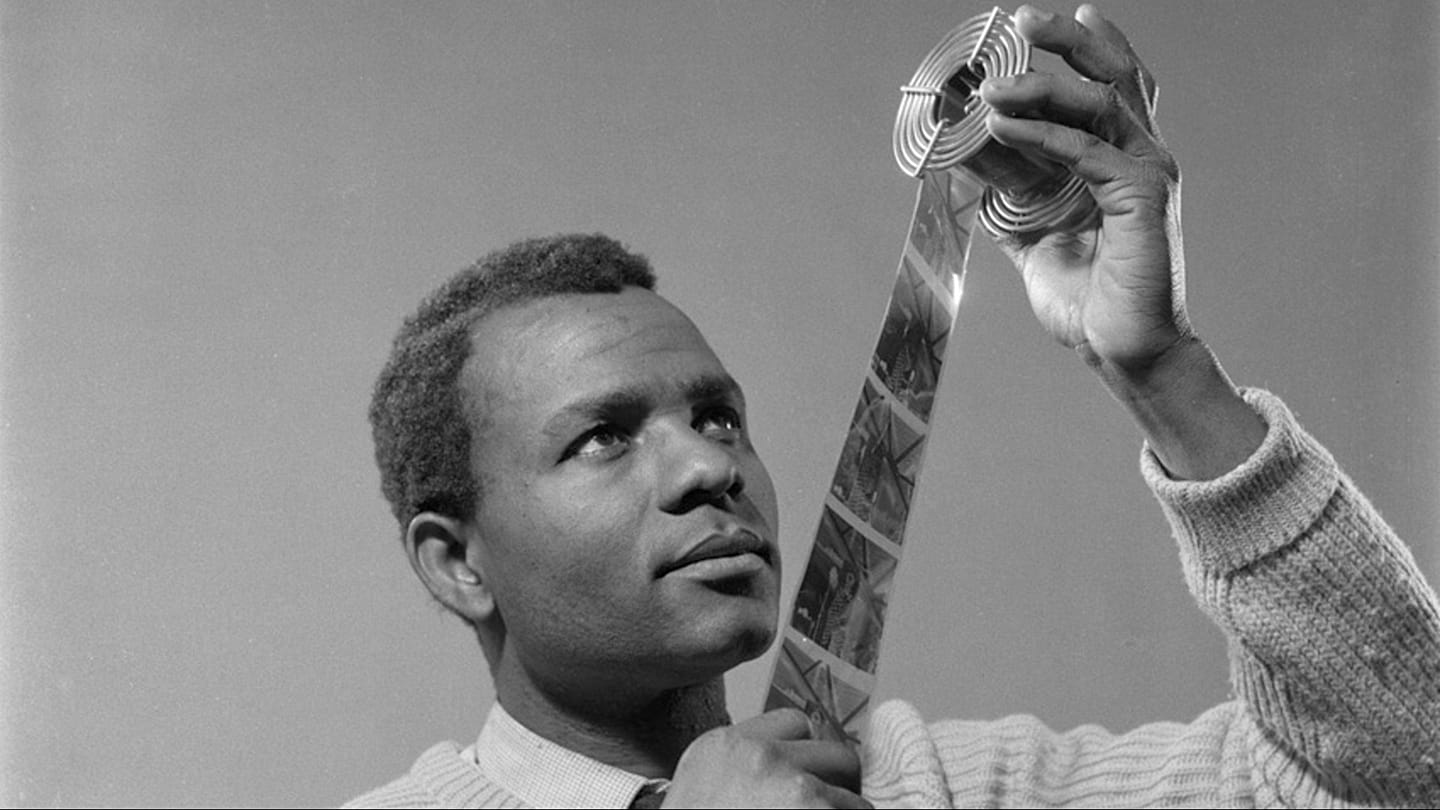
Photography was one of Rajiv Gandhi's enduring interests, a passion he developed as a young boy under the influence of his father, Feroze Gandhi. In her memoir Belonging: A Journey of Love, Sonia Gandhi recalls how Rajiv would spend his free time developing photographs, documenting family moments and capturing people, places, nature and wildlife. His camera, she writes, was almost an extension of himself.
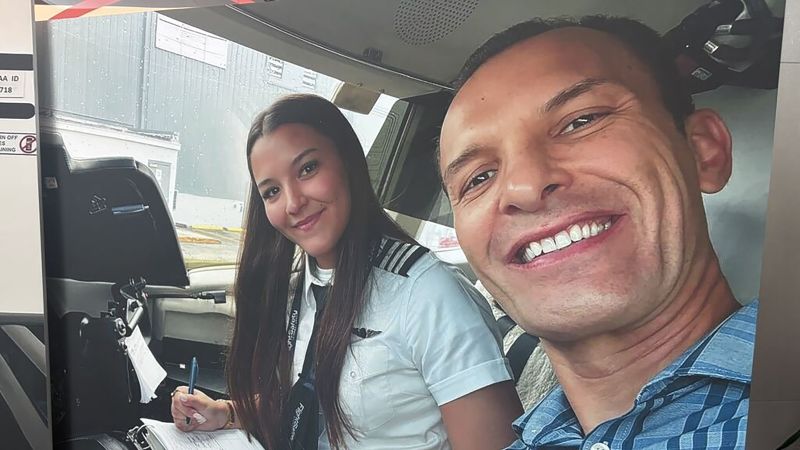
The interest in photography finds a parallel in the next generation of the family, with Rajiv's grandson Raihan Vadra pursuing it as a visual artist and curator. The memoir's front-cover photograph is credited to Rajiv Gandhi and was taken in 1966, while the back-cover photograph is credited to Raihan Vadra and Aviva Baig in 2026 — 60 years apart.
The son of Congress MP Priyanka Gandhi Vadra and businessman Robert Vadra, Raihan came into public attention in October when videos and photographs of him clicking pictures during the Congress protest march to the Supreme Court on October 11 went viral on social media.
Read: Indira Gandhi's wish to name Rajiv 'Rahula', Italian link behind Rahul's name: Sonia Gandhi recalls Sanjay's support during family tragedy Raihan's work also came into focus following a controversy over his solo exhibition, No Idea Is Final, at Delhi's Bikaner House.
The administration allegedly asked him to remove 75 of the 105 photographs from the exhibition just four-and-a-half hours before it was scheduled to open. A substantial part of the collection featured photographs documenting protests in Delhi over the preceding six months, including demonstrations at Jantar Mantar. The exhibition also included wildlife photographs and abstract works.
By the time it opened to visitors on October 22, the protest images had been taken down, leaving empty red walls, nails and a catalogue showing visitors the photographs that had been removed. Raihan said the Bikaner House administration objected to the political nature of the photographs, despite having approved his exhibition proposal on June 30, 2025, and receiving the layout a week before the opening.
He had alleged that officials initially asked him to remove two photographs featuring the Indian flag, even after he had set aside pictures carrying overtly political slogans. Following a second inspection, officials sought the removal of more images, saying the context of the Delhi protests made them political. Sonia's account offers a glimpse into how deeply Rajiv pursued photography.
He began taking black-and-white photographs as a boy, having learnt the interest from his father, Feroze Gandhi, and taught himself to develop the pictures. In his free time, he and Sonia would visit the Imperial laboratory, where he developed his photographs of Sonia, friends and nature. Photography remained a serious interest as he grew older.
He subscribed to magazines on the subject, read books about it, attended exhibitions and spoke to both amateur and professional photographers about their work.
Also read: Sonia Gandhi recalls her arrival in India, stay with the Bachchans and first meeting with Indira Gandhi Sonia Gandhi recalls that Rajiv would sometimes join press photographers with his own camera when they came to take pictures of his mother, Indira Gandhi. Whether at home or travelling, he carried his camera with him and photographed the people and places around him, along with nature and wildlife.
His family, however, remained among his most frequent subjects. Sonia writes that…