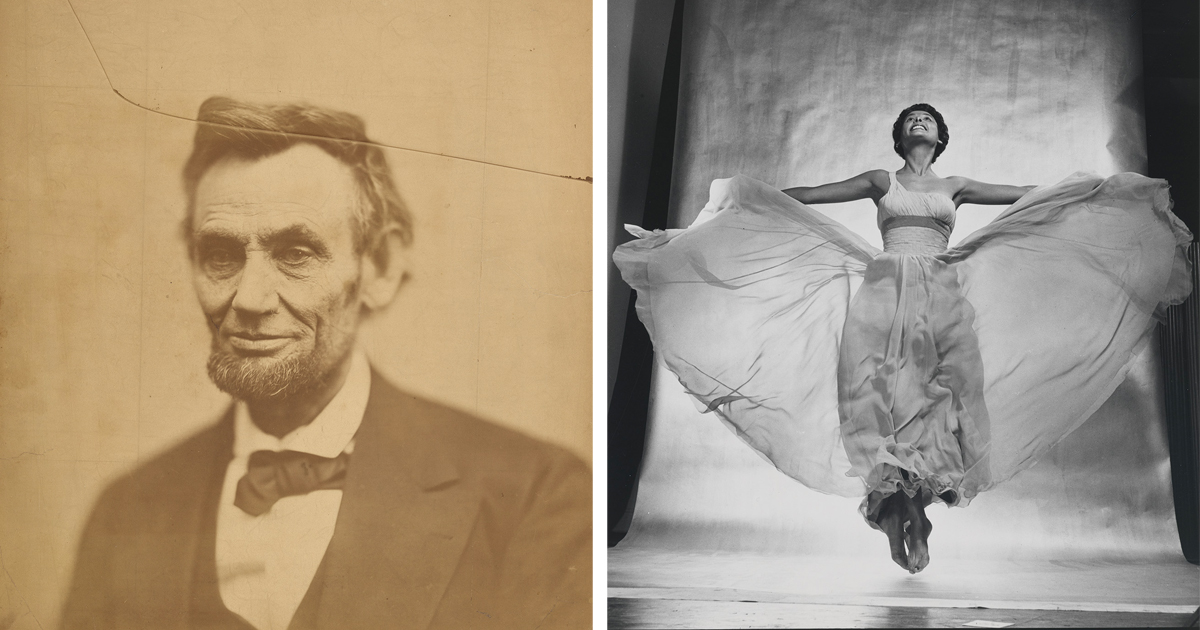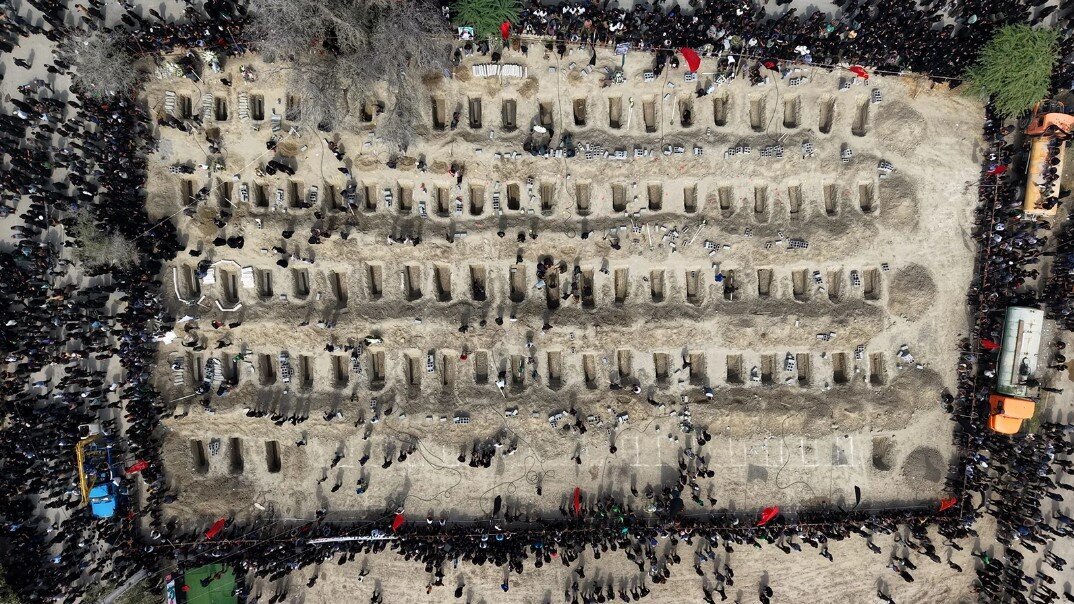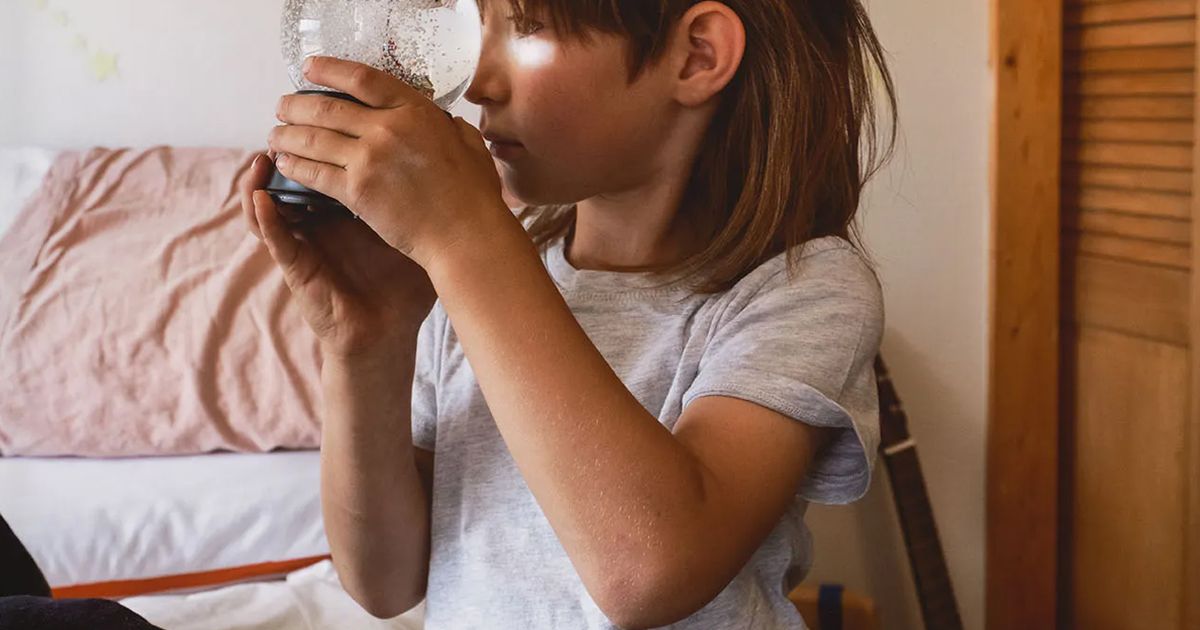
In 1838, just over a decade after Nicéphore Niépce captured the first surviving photograph (View from the Window at Le Gras, dated to around 1826/1827), Louis Daguerre pointed his camera at the Boulevard du Temple in Paris. The exposure lasted a few minutes, and nothing that moved left a mark on the image. Carriages, passersby, the whole traffic of the city, vanished.
Only two figures stayed still long enough to remain: one man with his foot raised, and another shining his shoes. Often described as the first instance of people being photographed, they stand alone in an empty city.
In 2026, France marks the bicentenary of the invention of photography, and the 29th edition of Paris Photo returns to the Grand Palais from 12 to 15 November, with 246 exhibitors from 38 countries. After 200 years, photography seems to be pulling in two directions at once: towards images no camera ever took, and back to its origins of silver, paper and chemistry that Daguerre and his contemporaries worked with.
Visitors to the fair this year can see both forms, sometimes in the same room.
Inside the Grand Palais, a 36m retrospective wall of Thomas Ruff's work lines the entrance. Conceived as an 'open book', it moves through more than 40 years, from analogue images to digital simulations. Ruff joins Florian Ebner, head of the photography department at the Centre Pompidou, for a talk on his practice on Thursday 12 November at 2pm.
Further into the exhibition, the bicentenary is at its most literal. Hans P Kraus Jr brings works by Daguerre and Talbot, alongside Anna Atkins, whose cyanotypes of British algae, bound into volumes from 1843, are often recognised as the first photobook, a year before Talbot's The Pencil of Nature.
She's also a reminder of how selectively the history of photography has been told, and a good way into the ‘Elles x Paris Photo’ path, curated this year by Aldeide Delgado, founder of the Women Photographers International Archive. Since the ‘Elles’ path launched in 2018, the share of women artists at the fair has nearly doubled, from 20 to 38 per cent.
Delgado’s selection, ‘An Oceanic Beginning’, takes the ocean as a starting point for retelling photography's history without a fixed centre
Alba Yruela, Ous de granota, 2025, part of ‘Elles x Paris Photo’
Among the selected works is Ous de granota (2025), Alba Yruela’s photograph of frogspawn suspended in murky water, each egg a dark pupil staring back. Yruela makes her Paris Photo debut with Barcelona gallery Chiquita Room in the ‘Emergence’ sector. Elle Pérez, who has a solo presentation at Public Relations, is also among the artists chosen by Delgado.
Pérez works across photography, collage and film, and on Friday 13 November sits down with writer and curator Gem Fletcher for a conversation co-presented by Aperture and Fletcher's podcast, The Messy Truth. Its title poses a question: what is the work of photography today?
The ‘Digital’ sector offers one answer. Its new curator, Marco De Mutiis of Fotomuseum Winterthur, argues that we no longer 'see' through optics alone, but through layers of Photoshop, social media aesthetics, facial recognition and memes.
He also contributes an essay to ECAL's ‘Soft Photography’, a research project led by the late Milo Keller, the school's head of photography, and this year the fair's educational programme. The project turns that idea towards emotion: images built to anger, soothe, or simply keep us scrolling, from rage-bait to ASMR (autonomous…