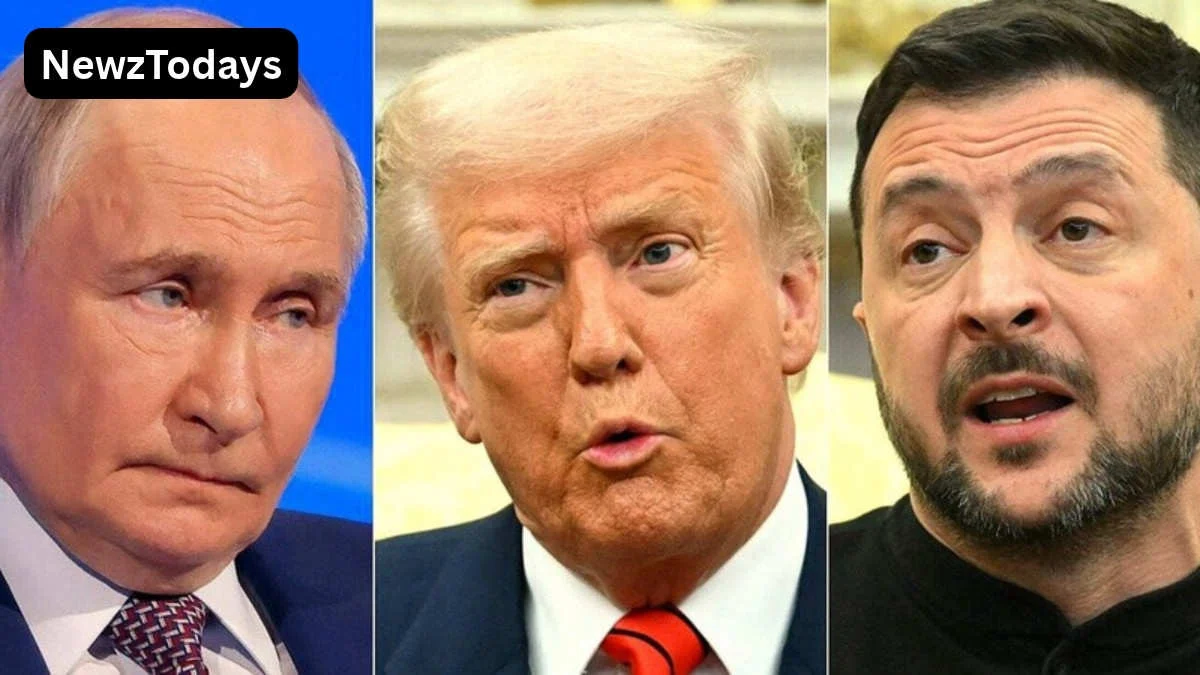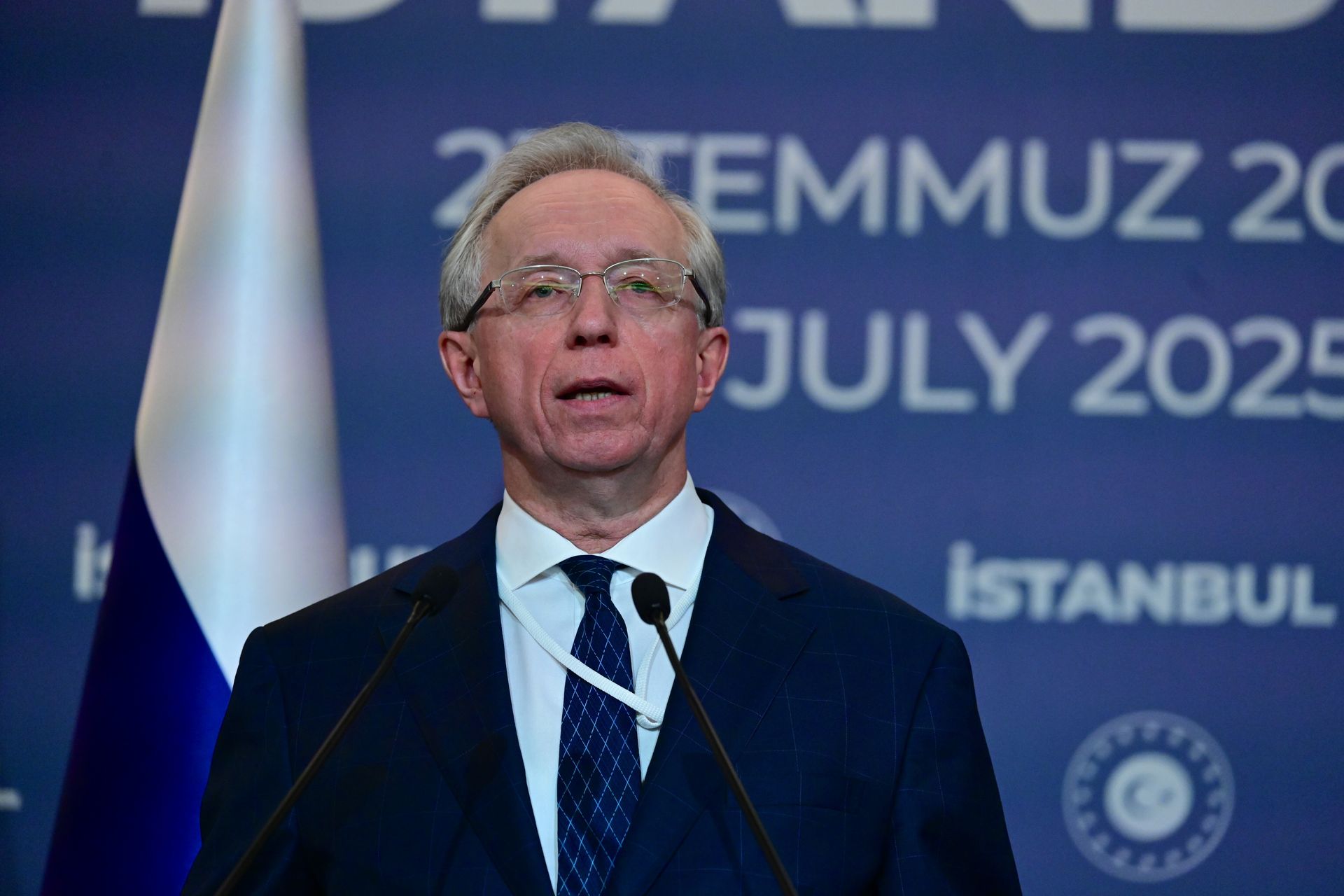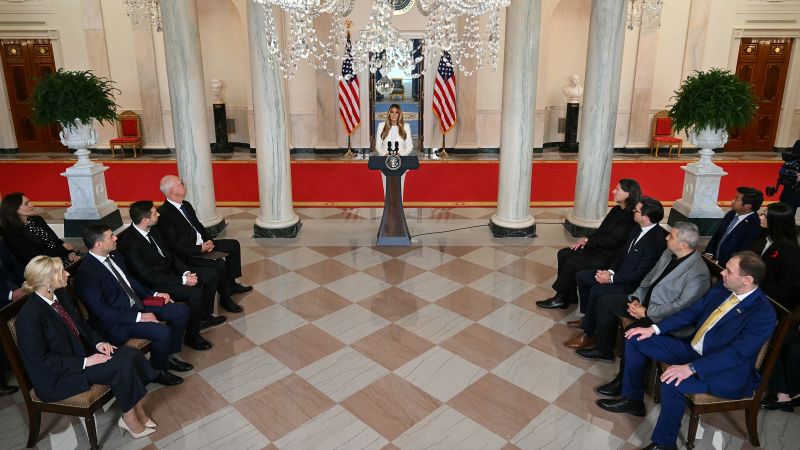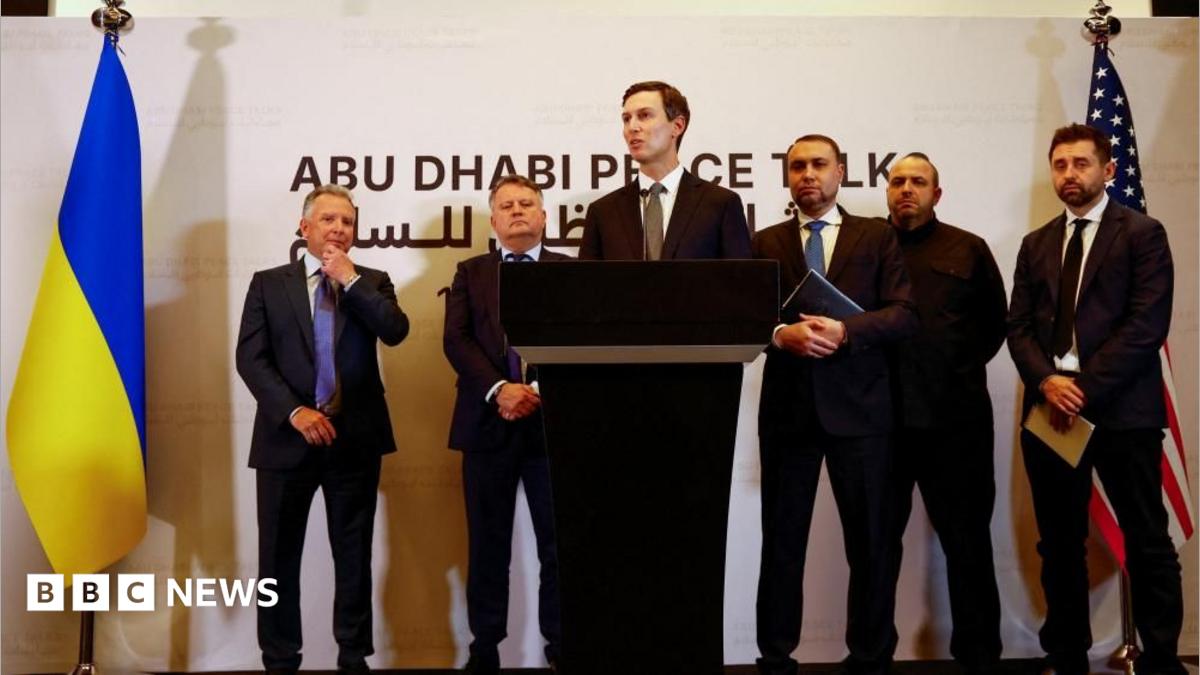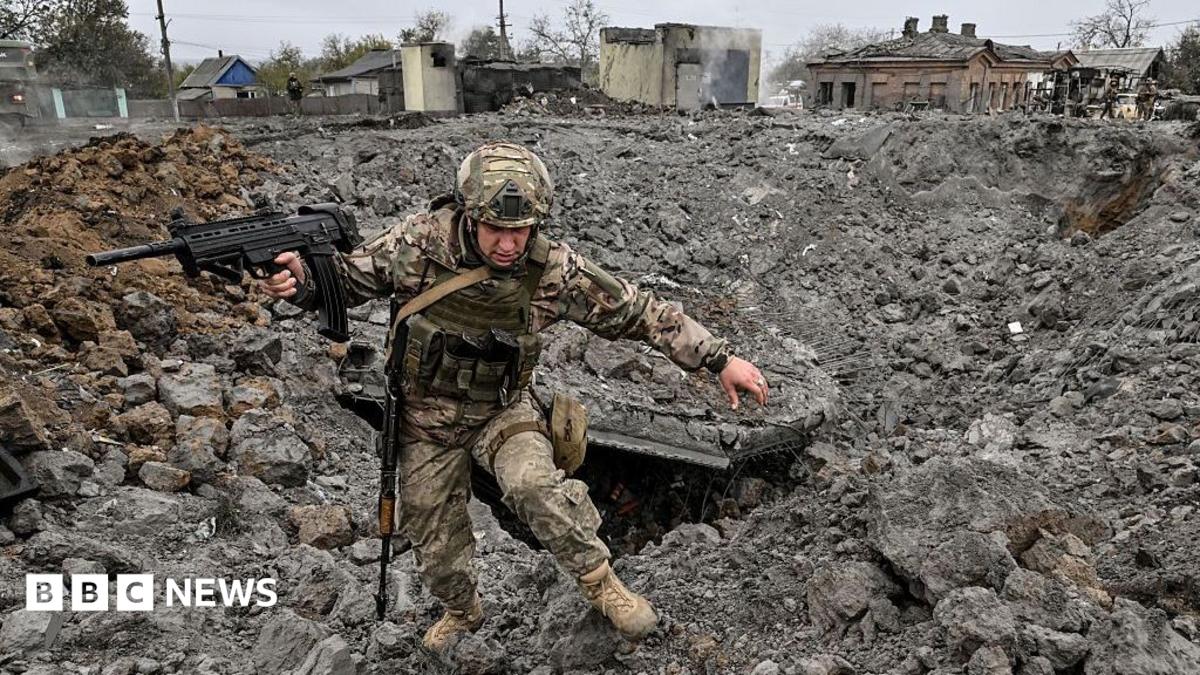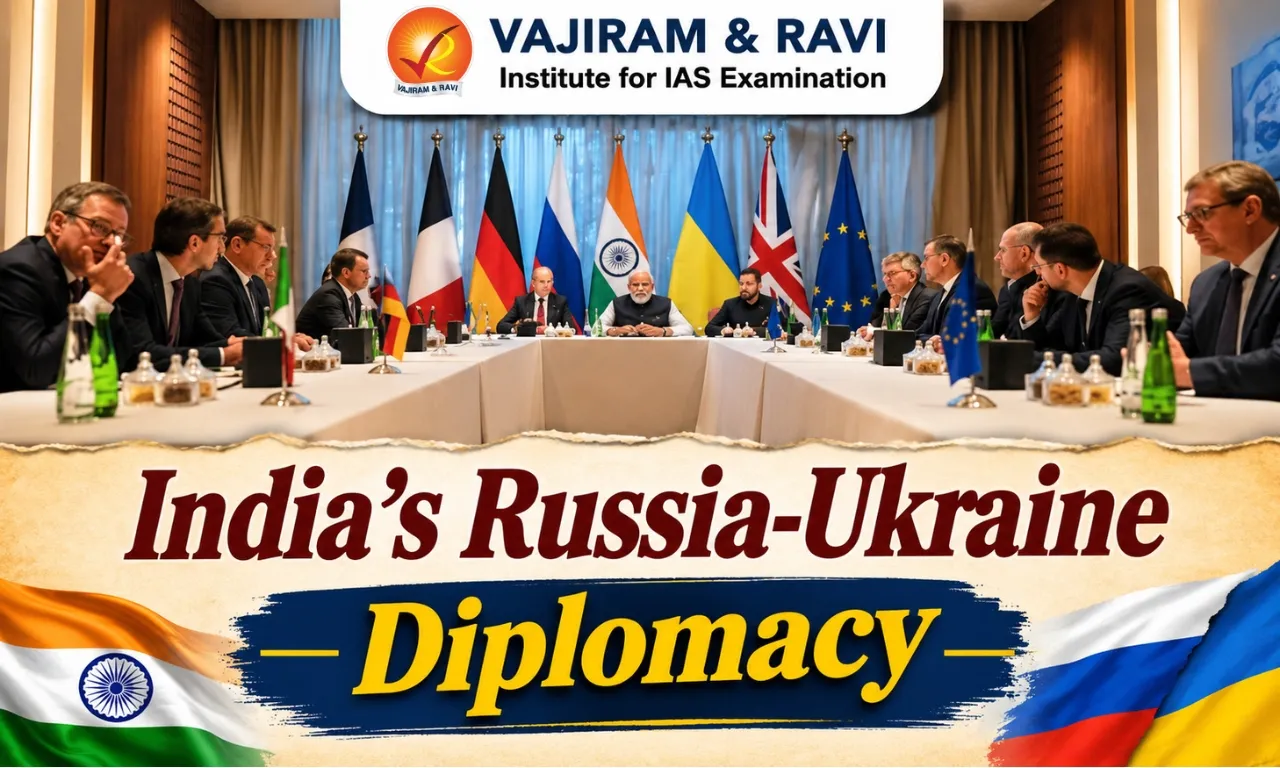
India’s Russia-Ukraine Diplomacy Latest News On November 10-11, 2026, delegations from the US, Russia, and Ukraine met in Abu Dhabi for the third round of US-mediated peace talks, aiming to end the nearly five-year war — Europe’s deadliest conflict since World War II.
Alongside, India has emerged as an active diplomatic player, engaging both Moscow and Kyiv at the highest levels, with concrete proposals on maritime security and humanitarian concerns. The Road to Abu Dhabi: Earlier Rounds of Talks May-June 2025 (Istanbul): First direct talks since the 2022 invasion.
A 28-point US-Russia peace plan demanded Ukraine renounce NATO membership and give up its long-range arsenal — rejected by Zelenskyy. Europe countered with demands for an Article 5-style security guarantee (collective defence principle). No consensus reached. February 2026 (Geneva): Russia insisted Ukraine cede the entire Donbas region before any ceasefire; Kyiv rejected this and demanded an unconditional ceasefire.
Talks collapsed, further disrupted by the US-Israel conflict with Iran, which diverted US diplomatic bandwidth. What’s on the Table Now Territory: Russia controls Crimea (annexed 2014) and parts of eastern/southern Ukraine, claiming Donetsk, Luhansk, Zaporizhzhia, and Kherson. It wants Ukraine to withdraw from Donbas; Ukraine rejects this, though US negotiators see room for limited mutual concessions.
Security Guarantees: Ukraine demands credible guarantees against future Russian aggression, having earlier sought NATO membership — a key trigger cited for Russia’s 2022 invasion. European Security Architecture: Russia wants this framework discussed before resolving the immediate conflict; EU’s Ursula von der Leyen insists it should follow a ceasefire.
Notably, Russia has blocked European participation in talks, even as France, Germany, UK, Italy, EU, and NATO hold parallel discussions with US/Ukrainian officials in Abu Dhabi. Impact of US Midterm Elections Democrats’ “blue wave” win in the US Congress could push for greater military aid to Ukraine and tougher sanctions on Russia once new members take office in January.
However, Trump’s administration retains control over the immediate negotiations; a shift in Congress doesn’t automatically alter foreign policy, depending instead on bipartisan legislative support. India’s Diplomatic Role A day before the talks, PM Modi spoke with Zelenskyy; hours later, EAM Jaishankar spoke with Lavrov — reflecting India’s engagement with both sides at the highest level.
Zelenskyy urged India to leverage its diplomatic ties with world leaders to help end the war, highlighting food security as a cooperation area.
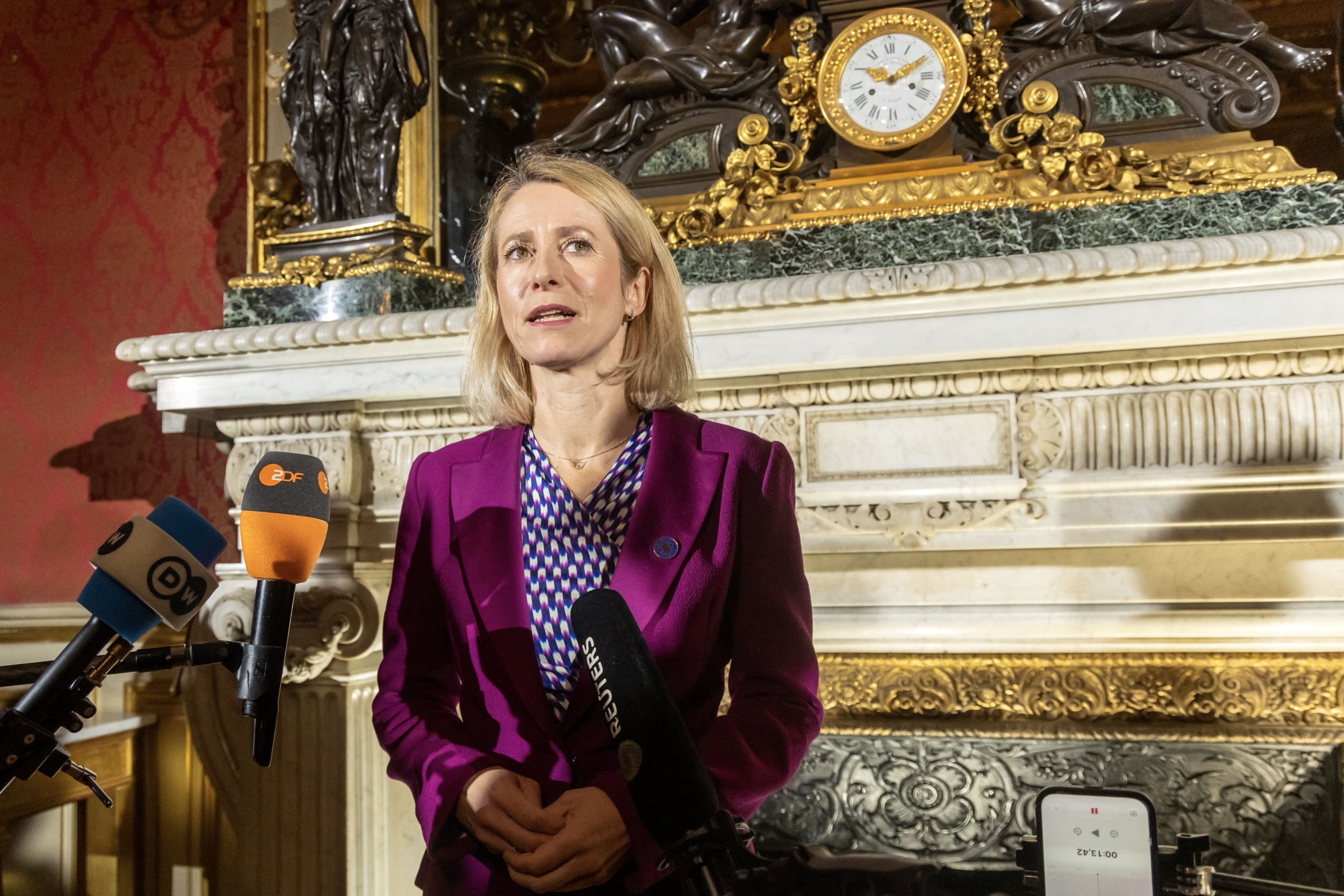
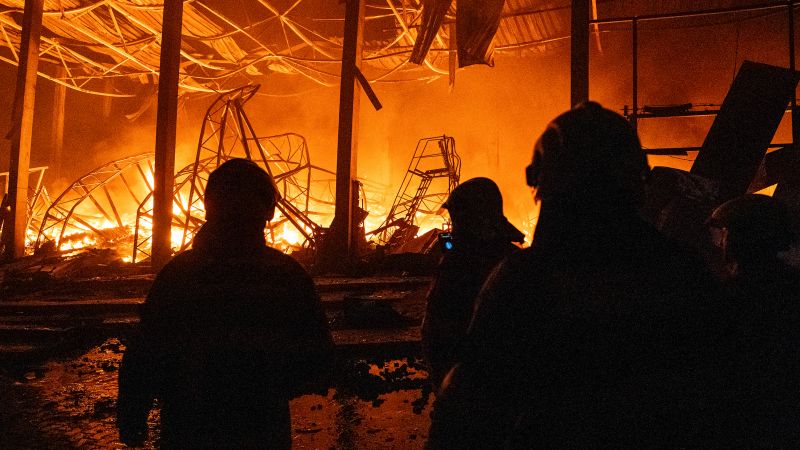
Ukraine’s FM Andrii Sybiha called India’s proposal the “most comprehensive” among those received from India, Egypt, Turkey, and the US; Putin praised Modi’s “very good ideas.” India’s Three-Part Truce Proposal Reduce attacks around the Black Sea to enable Ukrainian agricultural exports. Halt Russian attacks on Ukraine’s energy infrastructure.
Ukraine refrains from attacking Russian positions along the line of contact. Why the Black Sea Matters The Black Sea is critical for both nations: Ukraine’s three key ports (Odesa, Chornomorsk, Pivdennyi) handle ~90% of its agricultural exports; Russia transports 77-81% of its grain exports (42-44 million tonnes) via the Azov-Black Sea region.
Continued fighting threatens 400 million people across Africa, West Asia, and Asia with food shortages and malnutrition. India’s direct stakes: 5…