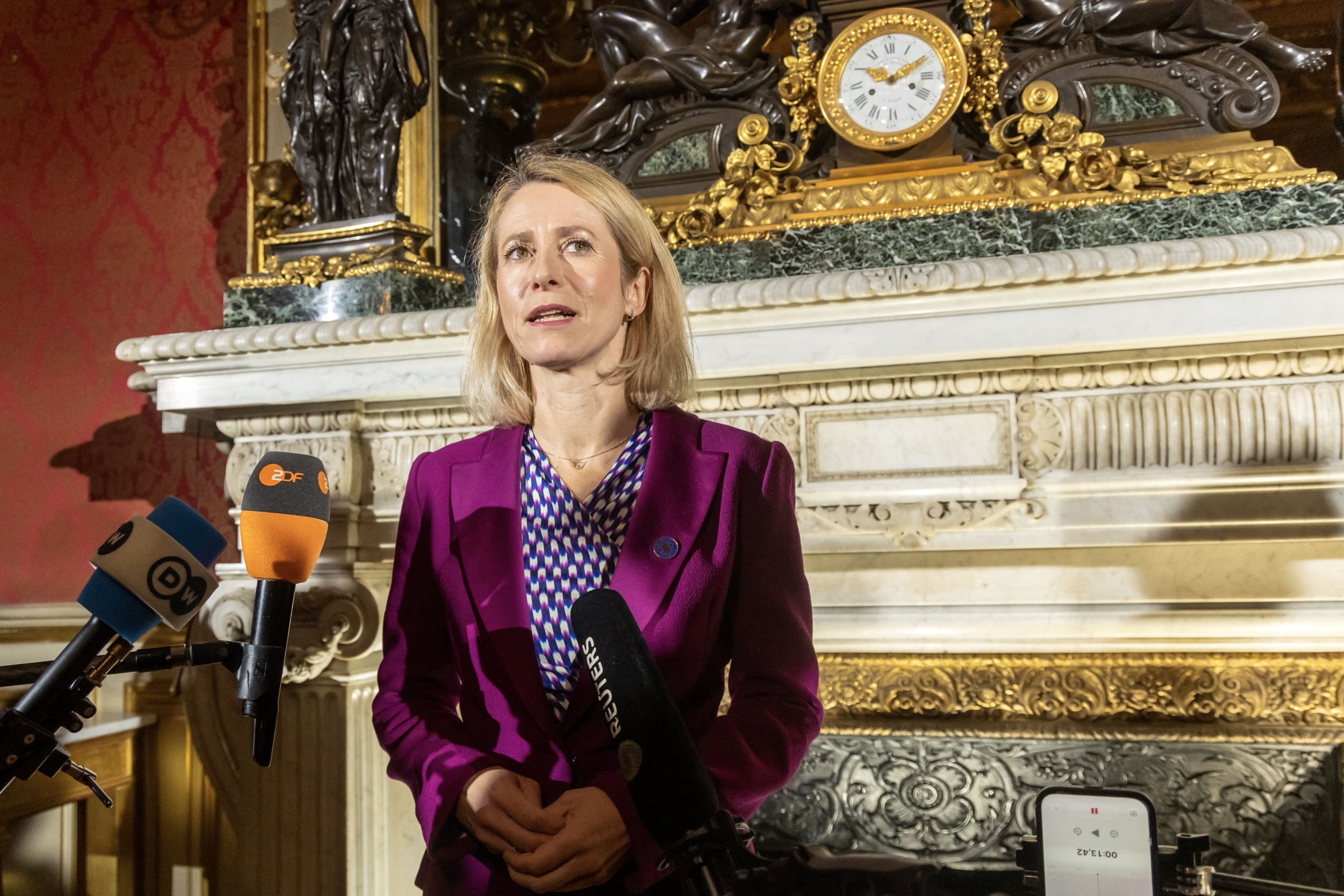
The Briefing EU foreign policy chief Kaja Kallas said on November 9 that Russia has shown no genuine willingness to negotiate, calling Moscow's participation in the peace process a performance designed to buy time while the bombing of Ukrainian civilians continues.
Kallas argues the 1994 Budapest Memorandum — in which Russia pledged to respect Ukraine's sovereignty — is the existing security framework that matters, dismissing US proposals for a new European architecture as unnecessary.
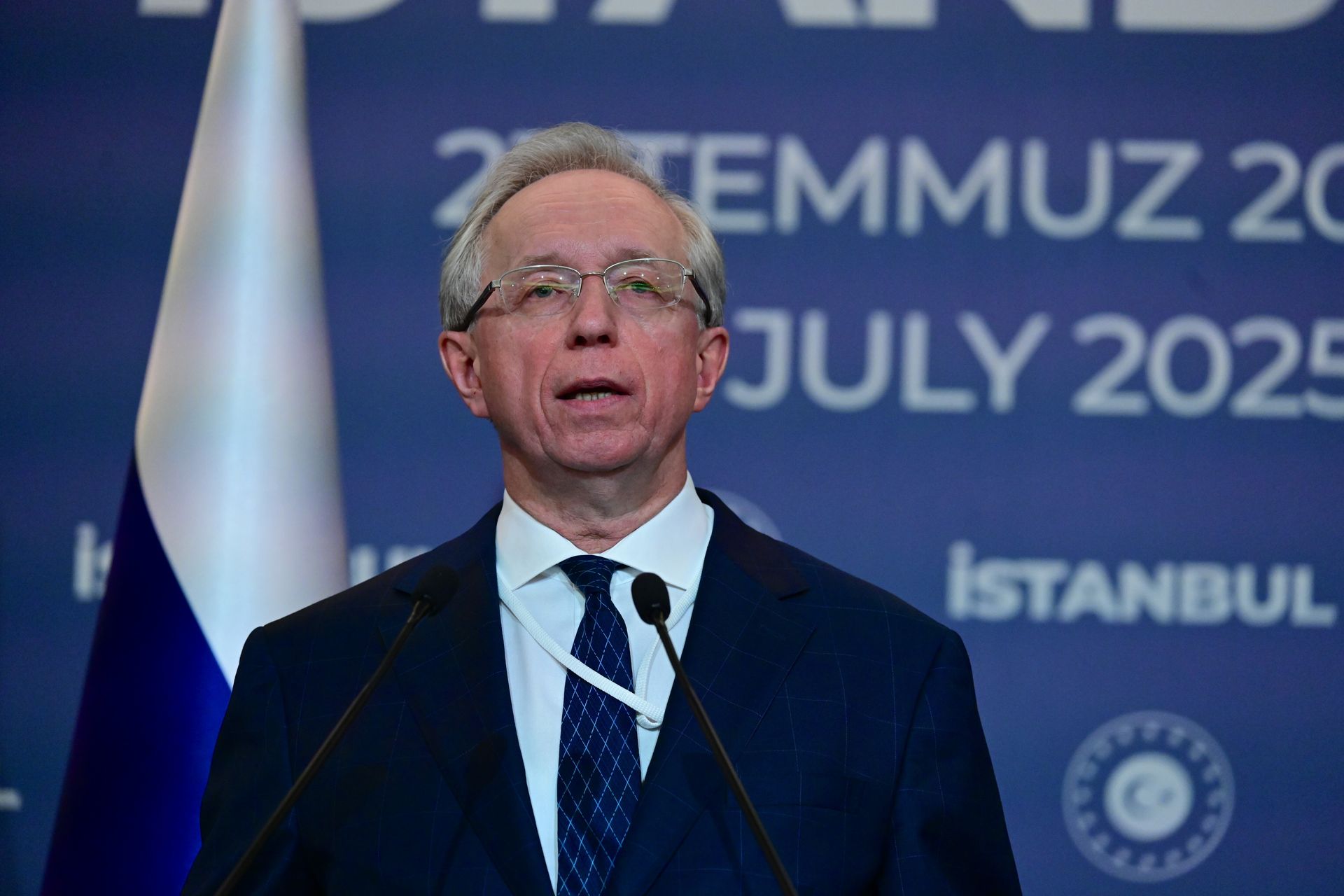
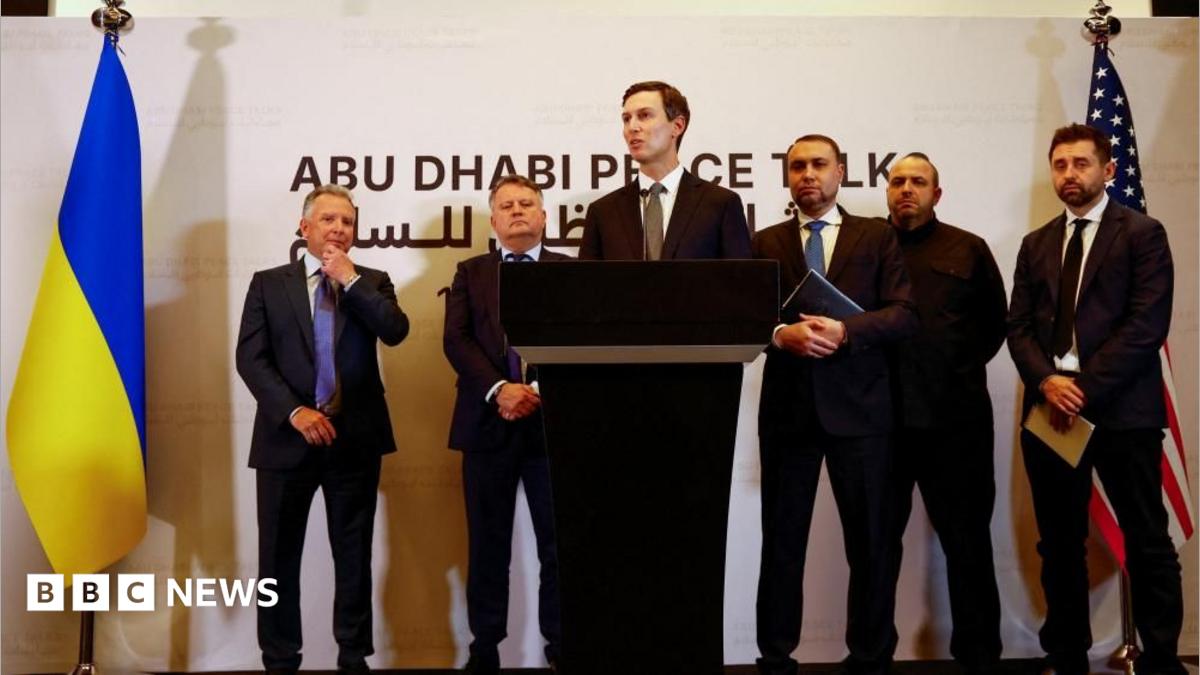
Russia's delegation to the November 10–11 Abu Dhabi talks, led by Putin aide Vladimir Medinsky, includes both diplomatic and military figures, drawing skepticism over whether Moscow has any real mandate to reach a binding settlement.
On the sidelines of a Group of Seven foreign ministers' gathering in Paris, the European Union's top diplomat delivered one of her sharpest verdicts yet on Russia's engagement in the Ukraine peace process — and it was far from encouraging.
Kaja Kallas, the EU's High Representative for Foreign Affairs and Security Policy, told reporters on November 9 that she saw no sign Moscow was approaching the negotiating table in good faith — one day before a new round of trilateral peace discussions opened in Abu Dhabi between Ukraine, Russia, and the United States.'No Goodwill From the Russian Side'In a direct interview with Reuters, the former Estonian prime
minister offered her most explicit assessment of Russia's intentions to date.
Moscow had been "just been pretending that they negotiate because we haven't seen any goodwill from the Russian side," she said, framing Russia's diplomatic participation as theater rather than substance.Kallas pointed to Russia's escalating air campaign against Ukrainian cities and energy infrastructure as the clearest evidence of bad faith.
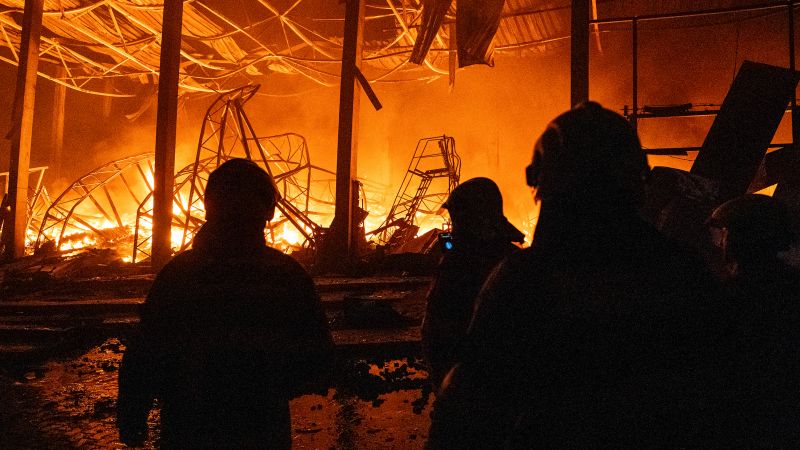
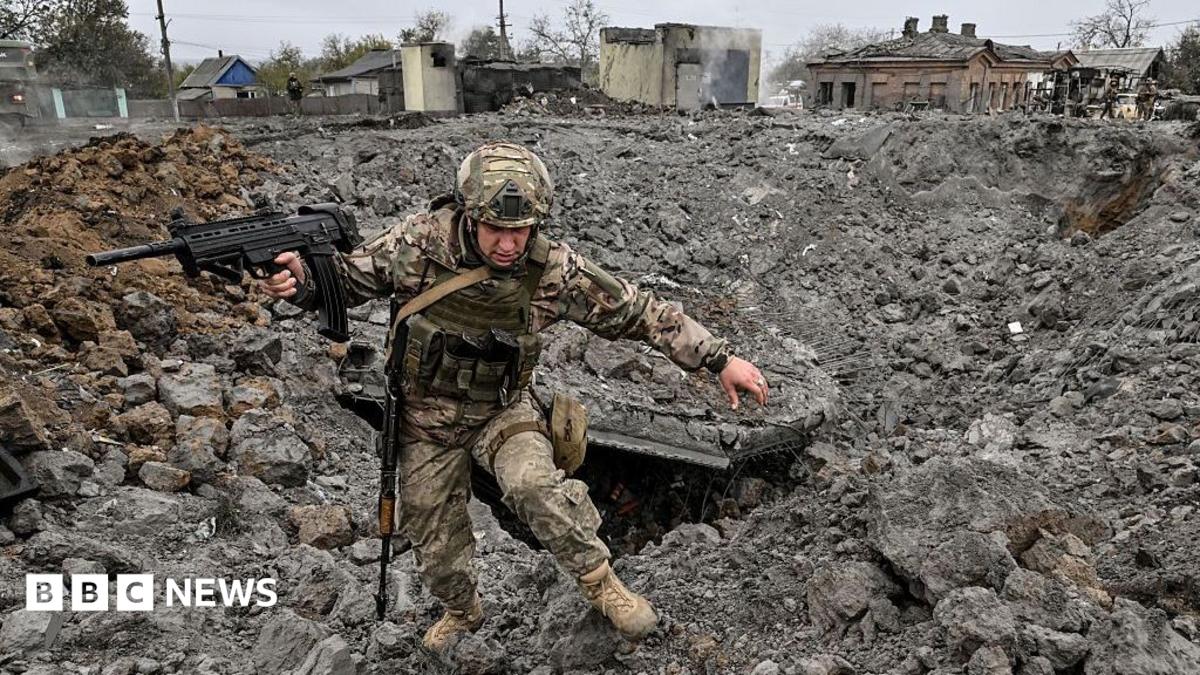
As talks proceed, Moscow has intensified strikes on power stations, heating systems, and residential areas in the approach to winter — continuing a pattern of targeting civilian infrastructure that has drawn condemnation from international human rights organizations, even as the Kremlin denies deliberately hitting non-military sites.
Russia's slow push through Donetsk Oblast continues, with Moscow demanding Ukraine's full withdrawal from the region as a central negotiating condition — a position Kyiv has categorically rejected.Kallas also voiced hope that last week's midterm election losses for President Donald Trump's Republicans in Congress could shift Washington's posture toward Ukraine — signaling that the EU is closely watching whether
American leverage over the talks changes in the coming weeks.A Disputed Security FrameworkThe Paris comments also addressed a widening rift between Washington and European capitals over the shape of any eventual peace deal.
Senior US officials, including Trump envoy Jared Kushner, have spoken of constructing "the right security relationships between Ukraine and Russia and Europe" as the basis for post-war stability — framing that has alarmed EU governments, who fear being sidelined from an arrangement that directly affects their continent.Kallas rejected the premise.
The legal and institutional architecture for European security already exists, she argued — the problem is not an absence of frameworks, but Russia's refusal to honor the ones it already signed. Her central exhibit: the 1994 Budapest Memorandum, under which Russia, the United States, and the United Kingdom formally pledged to uphold Ukraine's independence and…