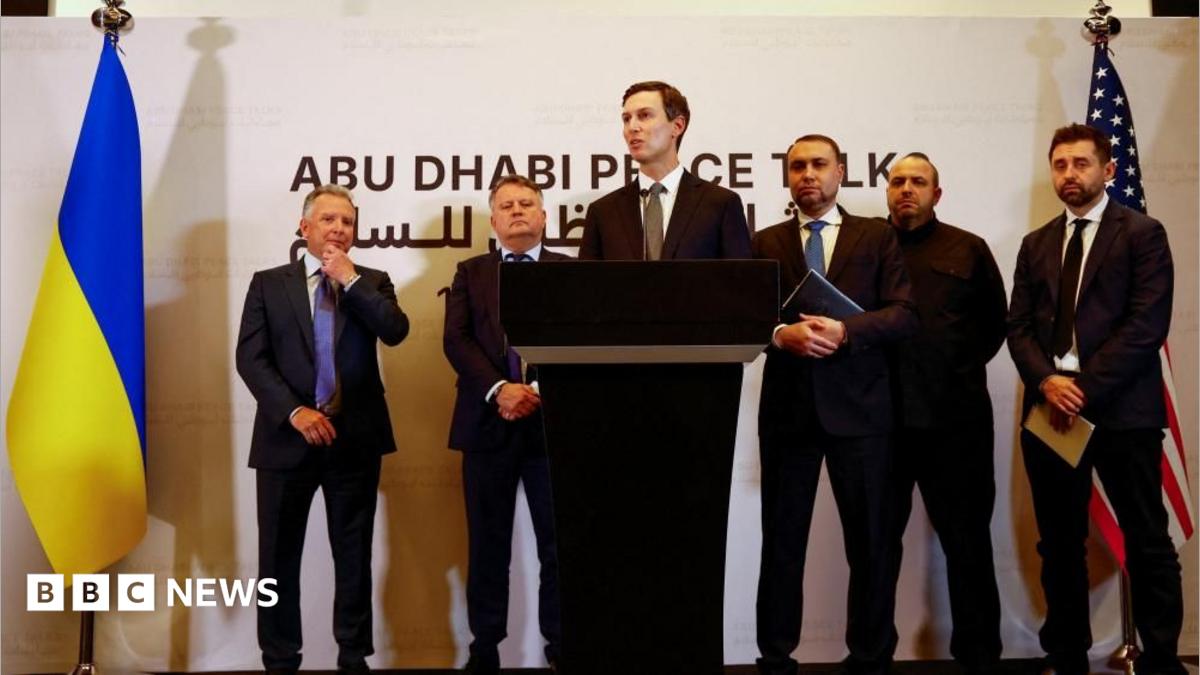
Diplomatic efforts to resolve the prolonged conflict between Russia and Ukraine have resumed with a key meeting taking place in Abu Dhabi on Tuesday. Representatives from Ukraine, Russia, and the United States convened for talks aimed at ending Europe’s most severe conflict since World War II.
The Abu Dhabi talks mark the first direct diplomatic engagement among the involved parties in over nine months. US envoys, including Jared Kushner and Steve Witkoff, facilitated the gathering, aiming to revive stalled peace initiatives. Alongside the primary participants, European nations and officials from NATO and the European Union are holding separate consultations with Ukraine’s delegation.
The Russian contingent is led by Vladimir Medinsky, a close aide to President Vladimir Putin, whose troops continue to control large swathes of Ukrainian territory, particularly in the Donetsk region.
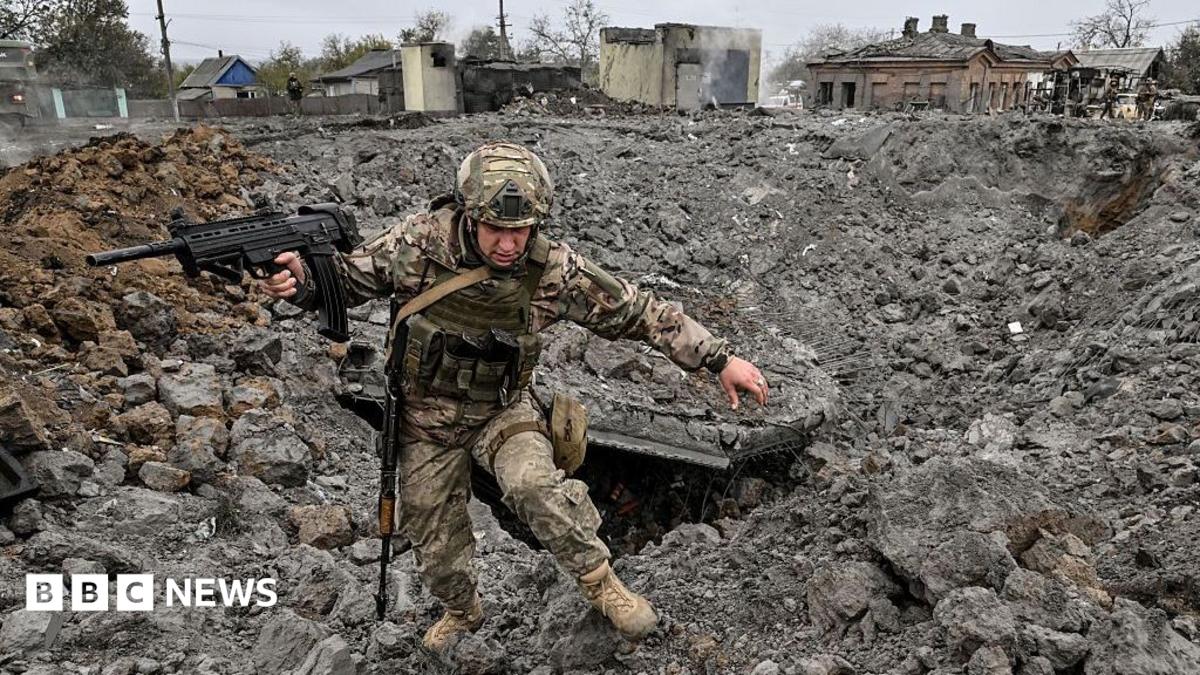
The negotiations come amidst intensified Russian military assaults, including a deadly strike on a frontline village that reportedly killed 55 civilians awaiting aid. Ukraine’s President Volodymyr Zelensky described the increased attacks as a pressure tactic ahead of the talks.
Ukraine has firmly rejected Moscow’s demands for territorial concessions, maintaining its stance against relinquishing control over contested regions.
These discussions follow several unsuccessful attempts over nearly five years, with little optimism for a breakthrough. The United States, under President Donald Trump, who has pushed for conflict resolution, is viewed with suspicion by Kyiv and European capitals. There is apprehension that Washington might advocate for terms favoring Russia, potentially forcing Ukraine into territorial compromises.
Trump’s remarks hinting that Ukraine’s borders may shift have deepened concerns about the envisaged peace framework.
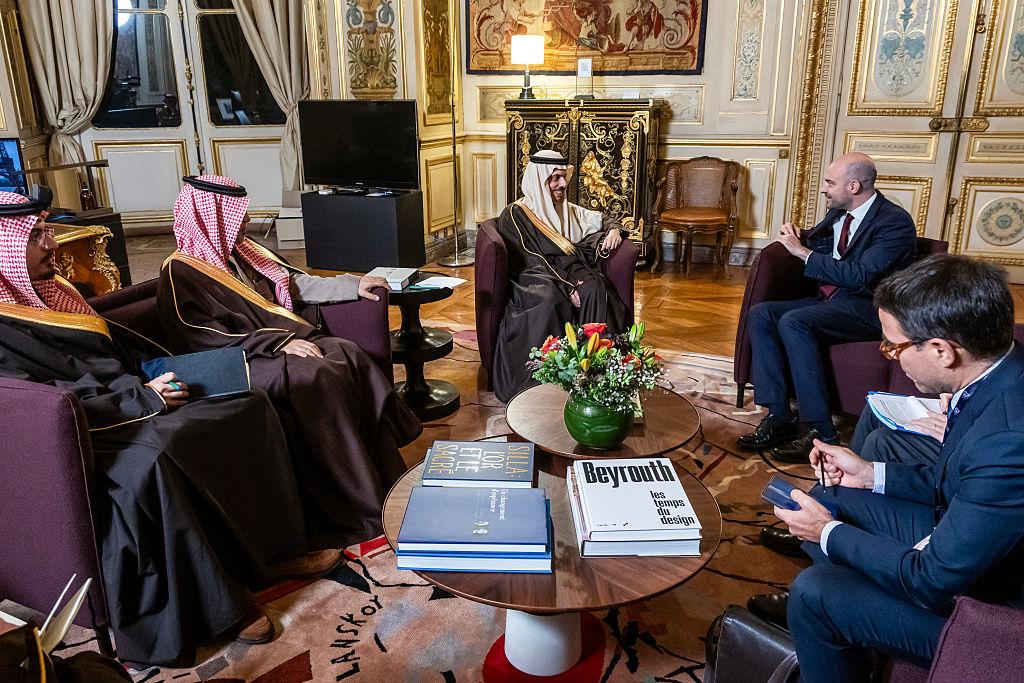
European countries, wary of initiatives that could undermine regional security, have voiced opposition to any new security arrangements that might resemble Soviet-era agreements like the Yalta Conference. Germany’s Foreign Minister Johann Wadephul emphasized the importance of maintaining current European security structures and warned against superficial negotiations.
For Pakistan, these developments in global diplomacy bear indirect but important implications. The Russia-Ukraine conflict has disrupted international security and economic dynamics, affecting energy markets and geopolitical alignments.
A prolonged war threatens stability in Europe and invites broader uncertainty in international relations, which can influence Pakistan’s own strategic environment, including ties with NATO countries, Russia, and its regional security.
Moreover, the format and outcome of these talks could set precedents for conflict resolution globally, influencing how nations engage in diplomatic efforts to solve entrenched disputes. As the world watches, Abu Dhabi’s role as a mediator in this high-stakes dialogue also highlights the increasing involvement of Middle Eastern countries in international peacemaking.
As the negotiations proceed without clear expectations, the hope remains that sustained dialogue may eventually pave the way to de-escalation and a peaceful resolution to one of the decade’s gravest conflicts.