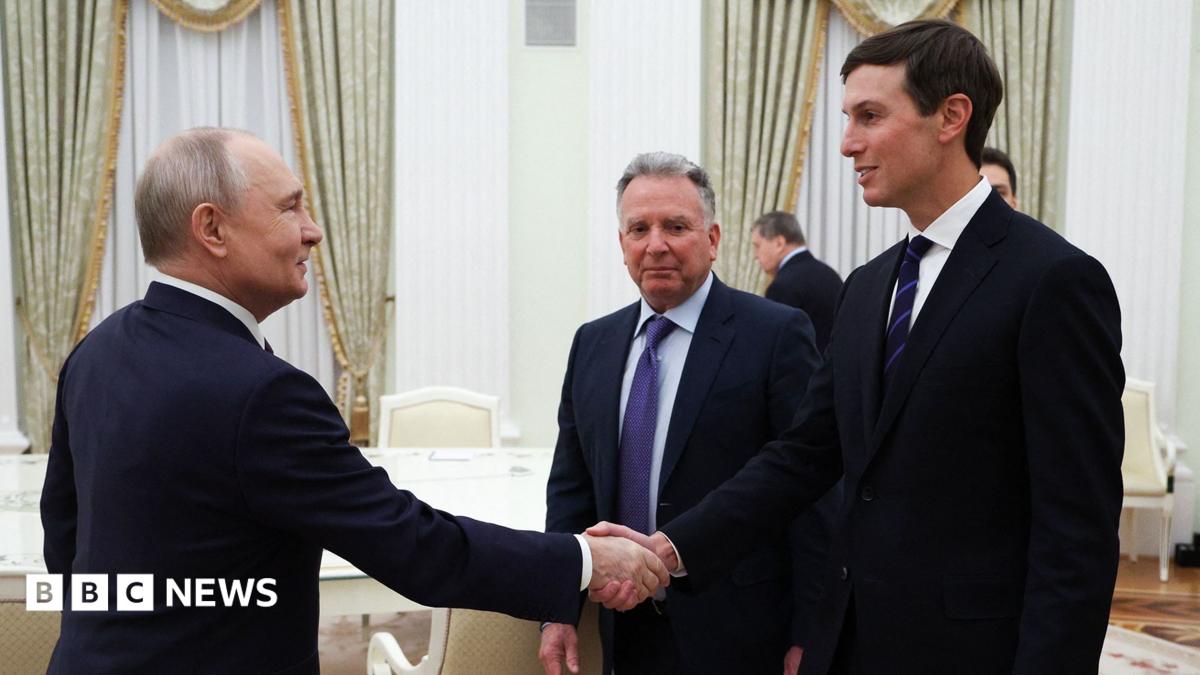
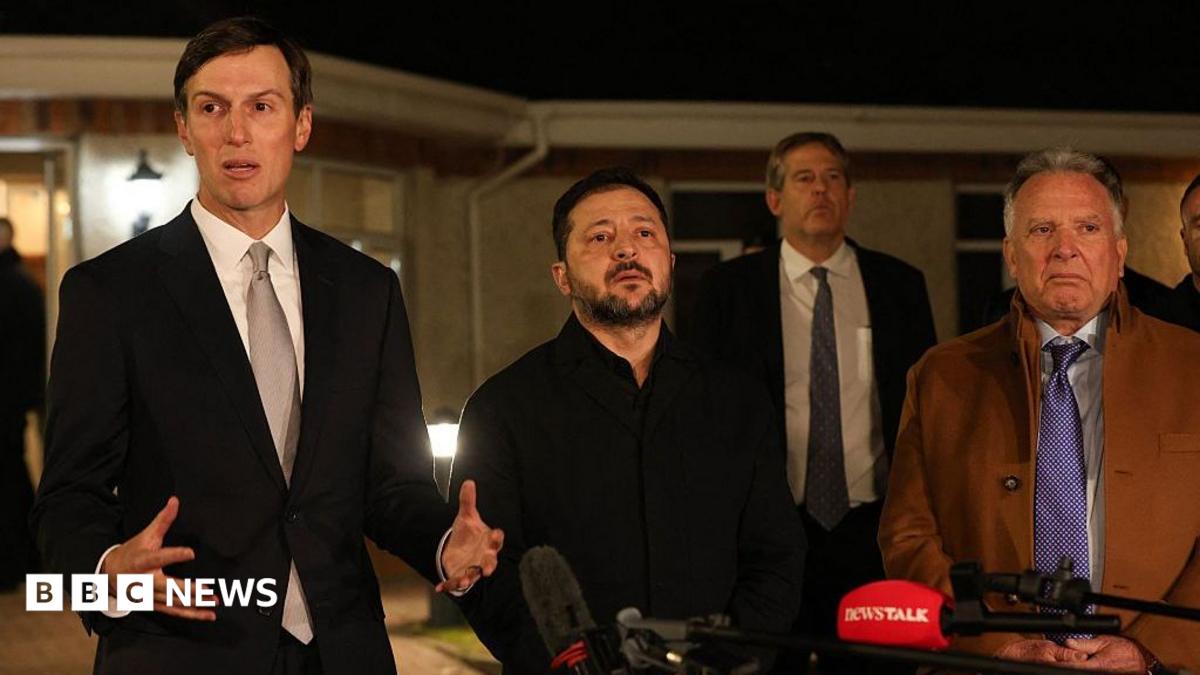
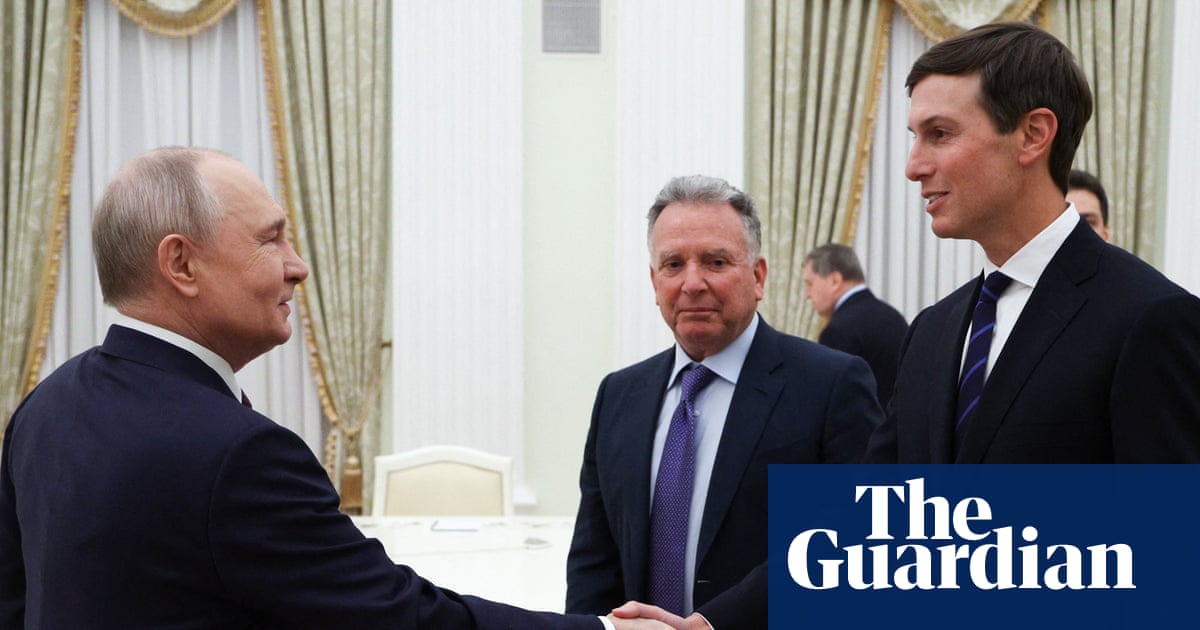
US special envoys Steve Witkoff and Jared Kushner met Russian President Vladimir Putin in Moscow on Thursday. Immediately afterward, the American negotiators flew to Ireland to hold direct talks with Ukrainian President Volodymyr Zelenskiy. Earlier this week, Witkoff and Kushner brokered the first direct Russia-Ukraine negotiations in nine months in Abu Dhabi.
Although those discussions yielded no major breakthrough, both sides agreed to conduct a large-scale prisoner exchange. Ultimately, Washington aims to build diplomatic momentum as the devastating war approaches its fifth year.
During two hours of Kremlin talks, Kushner sought Putin’s approval for European representatives to join upcoming peace negotiations. Speaking in Dublin, Zelenskiy confirmed that Europe will participate directly as a full negotiating team rather than remaining sidelined. Furthermore, both Washington and Kyiv urged European leaders to appoint a single representative to negotiate with Moscow.
However, Kremlin spokesperson Dmitry Peskov mocked European divisions while insisting Brussels must name one envoy before joining talks. Therefore, European participation remains a delicate diplomatic hurdle ahead of the next scheduled meeting.
Kremlin aide Yuri Ushakov described Thursday’s discussions with the American envoys as substantive, constructive, and useful. Nevertheless, Putin reiterated strict conditions, demanding NATO roll back military deployments across Central and Eastern Europe. Moreover, the Russian leader warned that deploying European peacekeepers to Ukraine after a ceasefire would trigger immediate renewed warfare.
Additionally, Putin insisted any final peace agreement must recognize four annexed Ukrainian regions as permanent Russian territory. Consequently, deep ideological and territorial divisions continue obstructing a comprehensive settlement despite renewed diplomatic engagement.
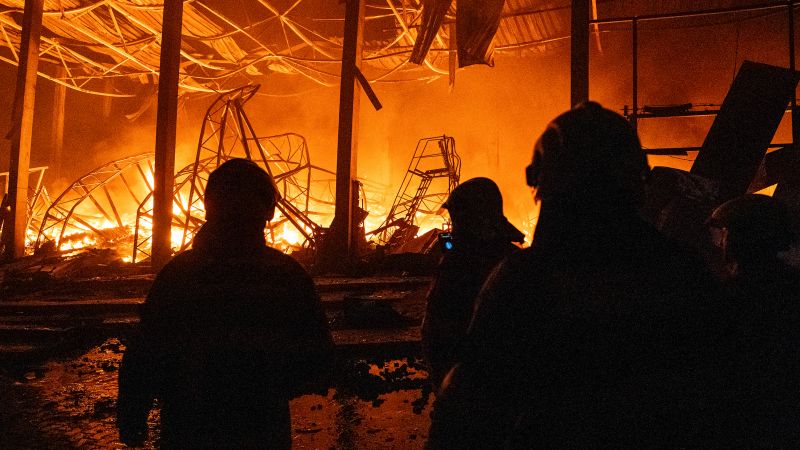
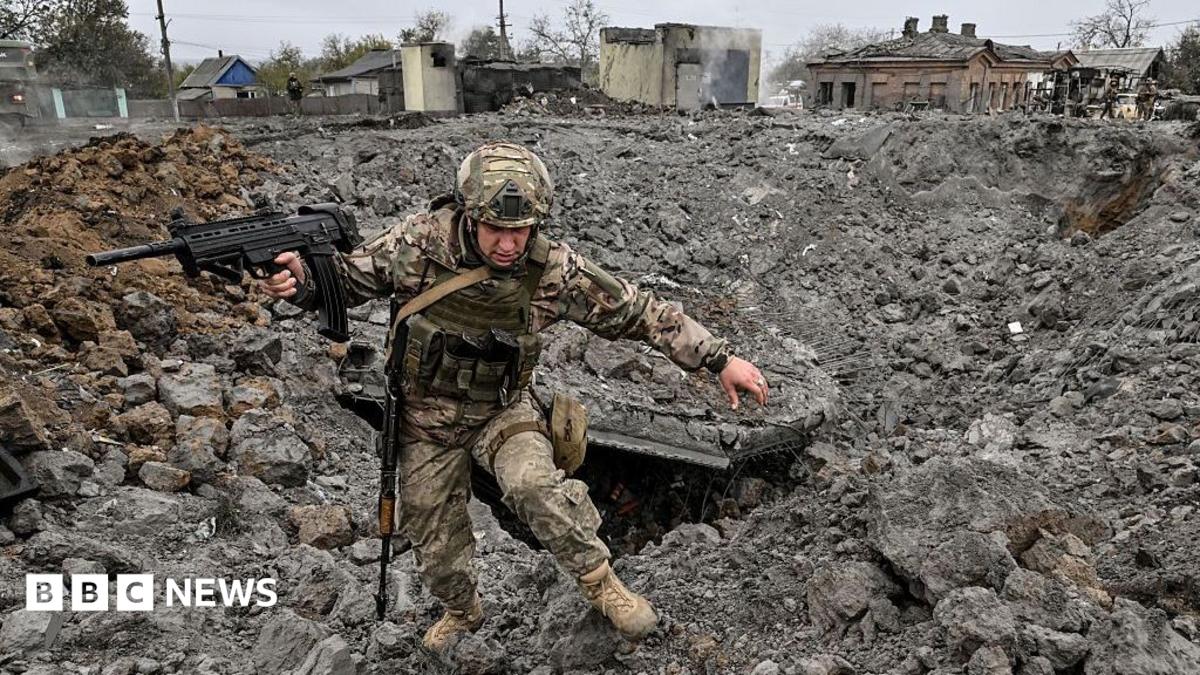
Meanwhile, fighting raged fiercely along the 1,200-kilometer front line as winter conditions settled over the region. Overnight, Russian forces launched missiles and 123 drones across Ukraine, striking 17 locations and damaging vital energy infrastructure. Simultaneously, Zelenskiy reported renewed disruptions in SpaceX’s Starshield satellite internet service, which restricts Ukrainian drone speeds in occupied areas.
In Russia, investigators reported that a car bomb killed a senior Russian colonel in St. Petersburg early Thursday. Therefore, active military hostilities continue escalating even as diplomats explore pathways toward a truce.
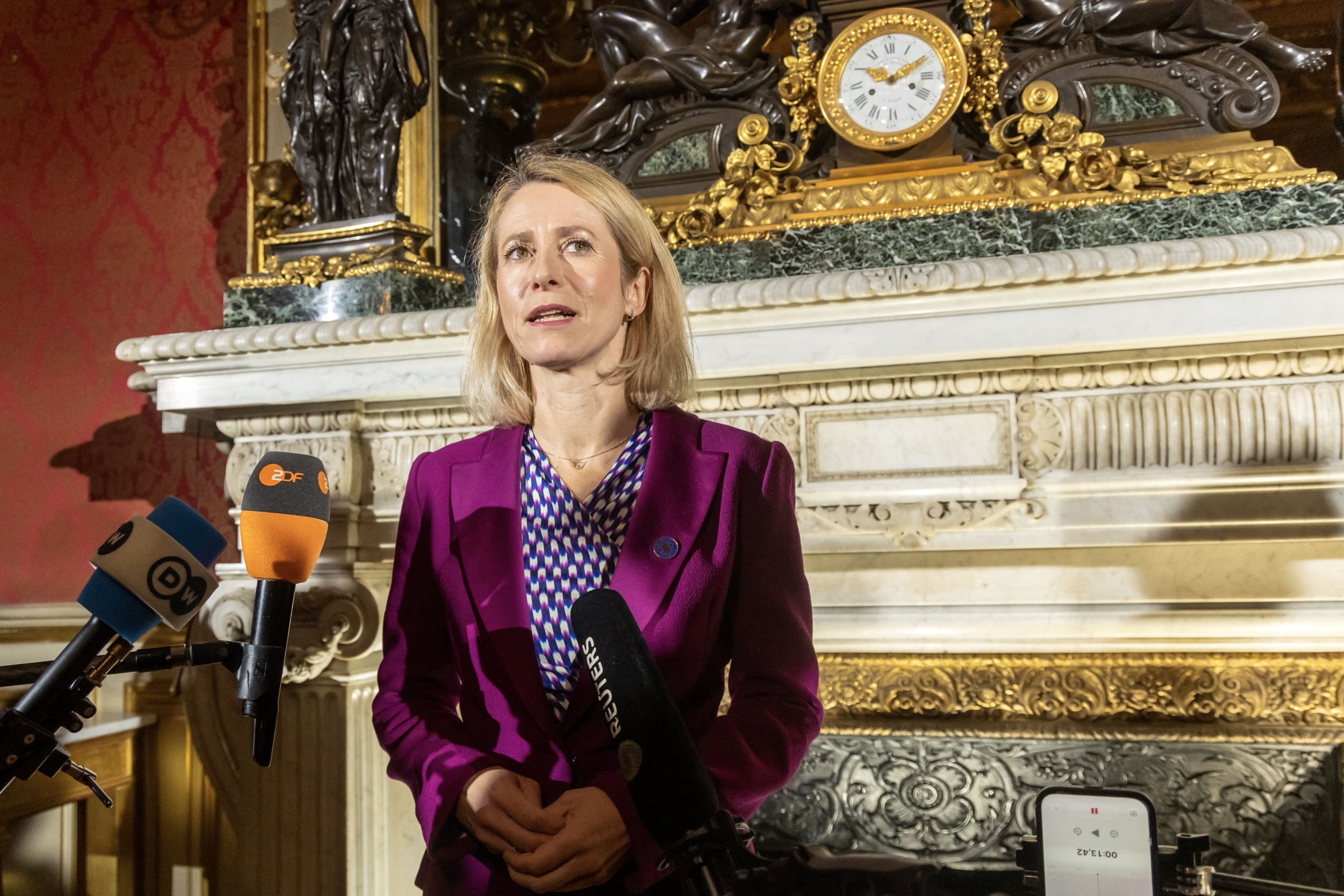
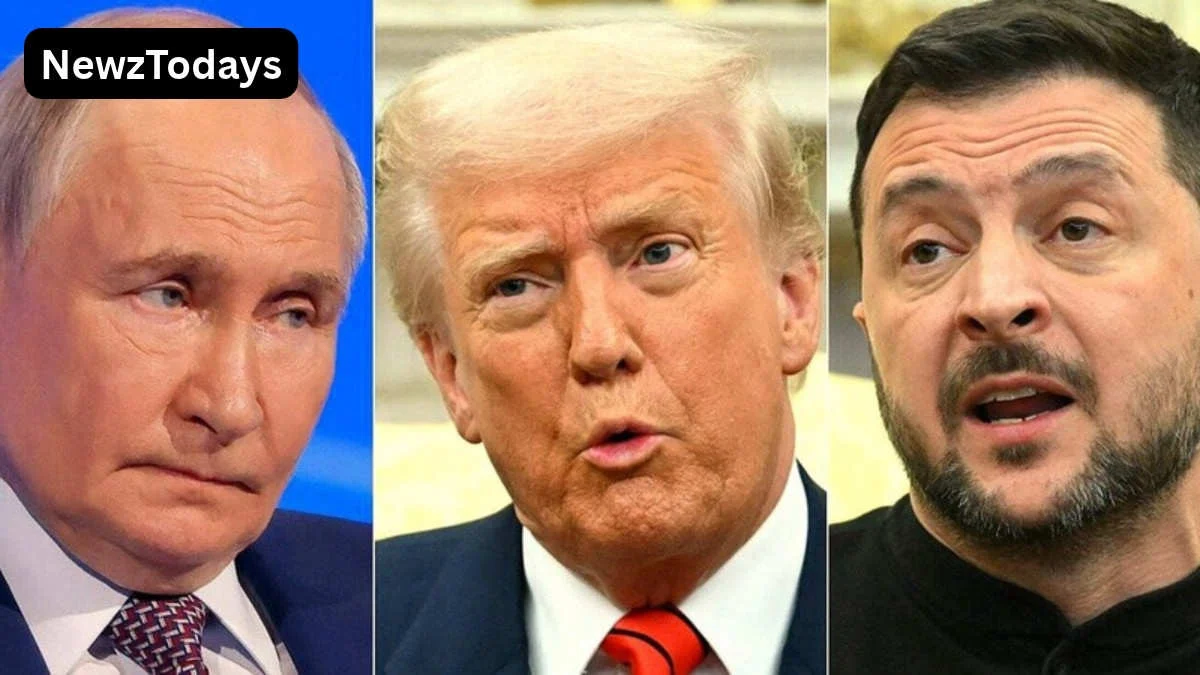
In Dublin, Zelenskiy joined over 40 European leaders alongside NATO Secretary-General Mark Rutte to coordinate security guarantees. Rutte emphasized that the United States, Europe, and Ukraine remain closely aligned on postwar security frameworks. Furthermore, Putin is expected to continue Ukraine peace discussions with US President Donald Trump at an upcoming summit in China.
Consequently, international observers are closely watching whether shuttle diplomacy can bridge fundamental disagreements over sovereignty and European security. Ultimately, achieving a lasting ceasefire requires reconciling stark red lines from both Moscow and Kyiv.